If windows are reflected in the screen, assess the specific model’s reflection handling alongside its brightness when displaying large, bright images; a high HDR peak brightness figure alone won’t tell you how well it performs in daylight. A bright Mini LED/LCD TV could be a good fit if you often watch with the curtains open, while OLED may appeal if dark picture details matter to you in lower light too. Also compare picture modes, dimensions for placement and the energy consumption of the exact model.
Who this selection is for
For watching by large windows during the day
If you watch in natural daylight, check how strongly your window is reflected in the screen from your usual seat, and whether dark scenes remain visible. RTINGS and HIFI.DE highlight reflections and brightness as important factors to consider in bright rooms.
For those who care about picture presentation
If you want the colours, contrast and movement in an art documentary to look as natural as possible, compare a restrained picture mode with one suited to daylight viewing. The UHD Alliance says Filmmaker Mode disables certain motion, sharpening and noise processing, among other things; this doesn’t prove the colour accuracy of every TV.
For those looking for the right size and fit
If your TV needs to go on existing furniture or in a specific spot, check the screen and stand dimensions of the exact model. The screen’s diagonal measurement alone won’t tell you whether it will actually fit.
What to look for when buying
Bright Mini LED/LCD TV
A good fit if: you mostly watch with daylight coming through the windows, and the specific model combines brightness with effective reflection handling.
What to weigh up: dimming zones aren’t individually lit pixels, so compare dark scenes too, and check the picture from your usual viewing positions.
OLED TV with good anti-reflection handling
A good fit if: you also watch in lower light and care about dark areas of the picture, provided it handles reflections well from your seat by the window.
What to weigh up: with bright images that cover a large part of the screen, consider brightness and the potential for image retention from elements that stay on screen for a long time.
These shares refer to consumers choosing a TV for watching art documentaries in daylight; each person is assigned to the buying priority that matters most to them.
| Priority |
What to check when buying |
Who it matters most to |
| Reflections and daytime visibility |
Compare reflection tests and the brightness of the exact model; take the screen’s position and its angle to the windows into account. |
When I watch in daylight, I want to assess window reflections and dark areas of the picture together. Around 36 % of consumers who prioritise daytime visibility say this is their main concern. |
| Colours and picture presentation |
Compare restrained picture modes on the specific TV, and check familiar scenes for colour, dark details and movement. |
If a natural-looking picture matters to me, I compare picture modes rather than relying on a preset alone. Around 29 % of consumers put picture presentation first. |
| Screen size and space |
Check the screen and stand dimensions of the exact model against the space you have available. |
If the TV needs to go on specific furniture or in a planned position on the wall, its size and placement need to work together. Around 21 % of consumers with this as their main priority feel the same way. |
| Energy consumption and content |
Check the EU energy label alongside the SDR and HDR figures for the exact model; make sure it supports the apps or reception methods you need. |
If I watch regularly, I want to check energy use and access to the documentaries I want to watch. Around 14 % of consumers rank these as their top priority. |
Common buying mistakes
-
Assuming HDR peak brightness means consistently good visibility
A measurement taken in the brightest mode alone doesn’t tell you how large, bright scenes will look or how strongly a window will be reflected in the screen.
Alongside the brightness figure, compare reflection handling, the measurement mode and screen size.
-
Making a blanket judgement about daylight performance based on “matte” or “OLED”
The screen finish alone can’t predict how distracting direct reflections will be from your seat, or how dark parts of the picture will look in ambient light.
Assess anti-reflection handling and brightness for the specific model, and compare OLED with Mini LED/LCD TVs in light of when and where you watch.
-
Choosing a screen size without checking space and energy use
The diagonal measurement won’t tell you whether the TV will fit in the space with its stand, or how much energy it uses. The German Environment Agency notes that larger screens can use more electricity.
Check the dimensions of the exact model and compare its EU energy label.
-
Confusing a bundle with the TV on its own
Joybuy also lists a bundle of the TCL 65Q7D PRO with a PlayStation 5 Slim Digital Edition. It includes different items from the TV on its own.
Before buying, compare the full model number and the listed contents.
Relevant brands at a glance
Sony
The German BRAVIA-9-II model K-65XR95M2 is one option to consider when comparing TVs for daylight viewing.
- Sony lists RGB LED, Local Dimming and screen technology designed to handle reflections for this model.
- CHIP measured high peak brightness on the 65-inch TV it tested. That figure applies to the test model and doesn’t show how every Sony TV will perform by your window.
TCL
The Q7D Pro range includes a Mini LED option; compare the features and brightness of the exact model.
- TCL lists 646 dimming zones and up to 2,000 nits of HDR peak brightness for the 65Q7D Pro.
- Peak brightness is a manufacturer’s figure, not a measurement covering all content or every screen size. CHIP notes, among other things, that the tested 65-inch model doesn’t have USB recording.
LG
OLED models such as the German OLED65G56LS offer an OLED option for buyers who also watch in lower light.
- LG lists Filmmaker Ambient Mode and Dolby Vision for this model.
- These manufacturer claims don’t prove how well it handles reflections by your window, or show what every LG range offers.
Samsung
Selected Neo QLED and OLED models from the German ranges may be worth considering for bright rooms.
- Samsung describes Glare-Free technology on selected models as designed to reduce distracting reflections.
- This is the manufacturer’s description, not a measurement covering the entire brand. Check the coating, brightness and picture mode of the specific model from your seat by the window.
Joybuy products at a glance
The following selection from Joybuy includes Mini LED TVs in a range of sizes to compare for daylight viewing. Product details such as HDR peak brightness or Anti-Reflection features don’t replace checking reflections and large, bright images from your own seat.
 No image available
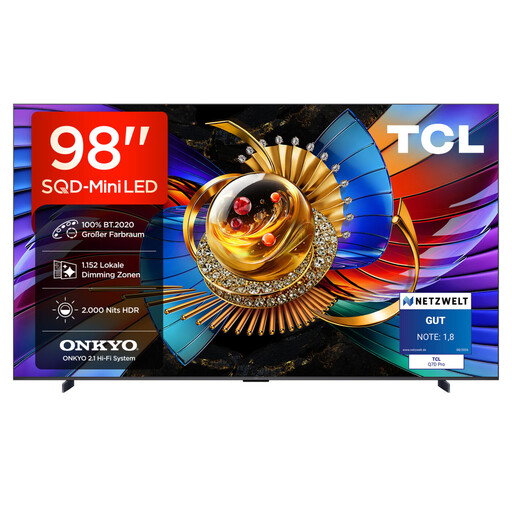
TCL 98Q7D PRO, 98 inches
The Anti-Reflection feature and HDR peak brightness listed in the title are points to consider when comparing TVs for daylight viewing, but they’re not independent proof of how it will perform from your seat.
4K SQD-Mini LED; 1,152 Local Dimming Zones; 2,000 nits HDR; 100% BT.2020; 144 Hz; Dolby Vision IQ; Dolby Atmos; Google TV.
View at Joybuy
 No image available
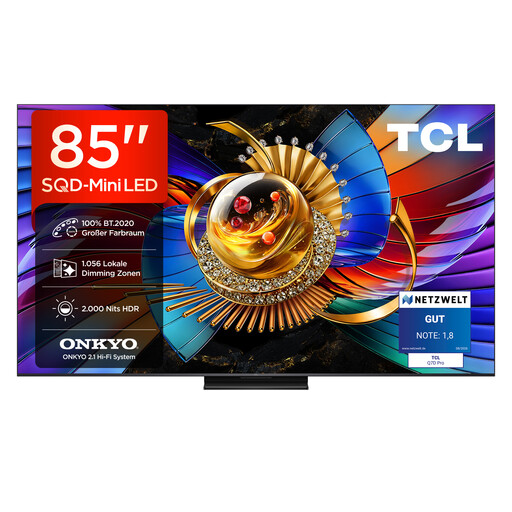
TCL 85Q7D PRO, 85 inches
The listed Anti-Reflection and HDR features may be useful for comparison, but you should still check reflections and visibility on the specific model.
4K SQD-Mini LED; 1,056 Local Dimming Zones; 2,000 nits HDR; 100% BT.2020; 144 Hz; Dolby Vision IQ; Dolby Atmos; Google TV.
View at Joybuy
 No image available
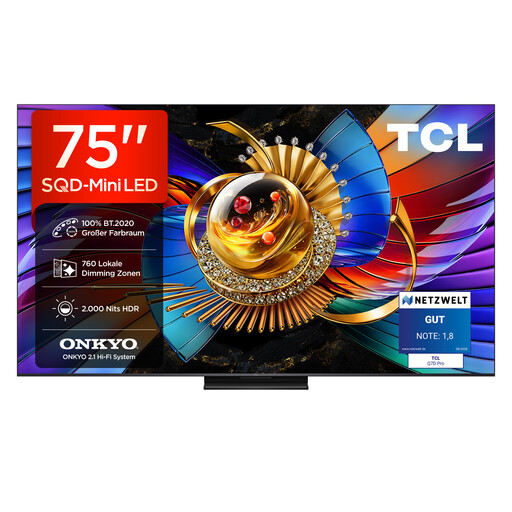
TCL 75Q7D PRO, 75 inches
The reflection-handling and HDR features listed in the title may help you compare TVs for daylight viewing, but they shouldn’t be treated as independent test results.
4K SQD Mini LED; 760 Local Dimming Zones; 2,000 nits HDR; 100% BT.2020; 144 Hz; Dolby Vision IQ; Dolby Atmos; Google TV.
View at Joybuy
 No image available
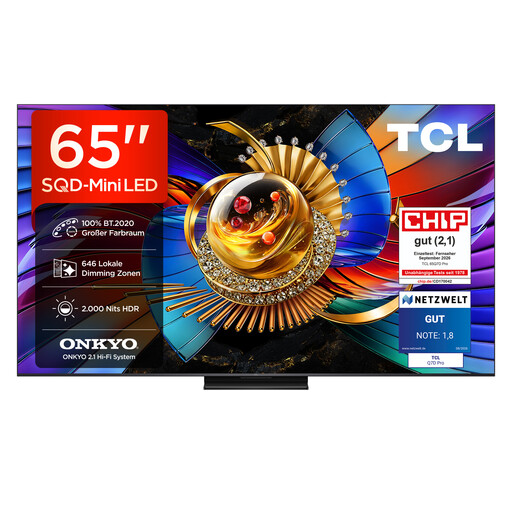
TCL 65Q7D PRO, 65 inches
The Anti-Reflection and HDR peak brightness figures in the title are useful points of comparison, but they don’t tell you on their own how clearly you’ll see the picture from your seat by the window.
4K SQD-Mini LED; 646 Local Dimming Zones; 2,000 nits HDR; 100% BT.2020; 144 Hz; Dolby Vision IQ; Dolby Atmos; Google TV.
View at Joybuy
 No image available
Samsung GU55M80H Mini LED M80H, 55 inches
As a 4K Mini LED TV, this model can be included when comparing screen sizes; this doesn’t include any information about how it handles reflections from windows.
4K UHD; 55 inches/138 cm; Smart TV.
View at Joybuy
Frequently asked questions
How can I tell if a TV is suitable for a room with large windows?
Compare tests for direct reflections and the brightness of the specific model. A matte or anti-reflection finish and a high HDR peak brightness figure alone won’t tell you how the TV will look from your seat.
Which picture mode should I try for an art documentary?
Compare a restrained Film or Filmmaker Mode with a mode that remains clear in daylight. Filmmaker Mode disables certain picture processing, but you should judge whether the picture works in the light from your windows using the content you actually watch.
What should I check when setting up the TV?
Check the screen and stand dimensions of the exact model against the space available, and look for window reflections from your usual seat. Sony lists specific dimensions and a VESA mounting pattern for the K-65XR95M2; these figures don’t apply to other models.
How do I compare energy consumption?
Compare the EU energy labels for the exact models and check the separate SDR and HDR figures. For a meaningful comparison, you should also take screen sizes into account.


