What to look for when buying
First compare reflections and picture clarity from your intended seat, then consider picture detail and screen size. Also take reception options and running costs into account.
| Buying priority |
What to look for |
Who will find this especially important? |
| Clarity in daylight |
Check the screen finish and reflections from your usual viewing positions, including with both bright and dark scenes on screen. Samsung advertises “Glare Free” on the GQ65QN90FATXZG model; this is a claim specific to that model. |
When I watch TV during the day with a window in front of me, I don't want reflections obscuring programme details. Around 36% of consumers put daylight clarity first. |
| Clear picture detail |
Compare architecture programmes using the reception or streaming quality you normally use, and check the detail in both bright and dark scenes. Germany's Verbraucherzentrale notes that UHD content is limited on regular TV services. |
When I want to look more closely at materials, façades and shadows, the picture quality with my usual programme source matters most. Around 29% of consumers prioritise clear architectural detail. |
| Screen size and seating |
Measure your viewing distance and available space, and check the picture from seats off to the side as well. Germany's Verbraucherzentrale lists viewing distance, lighting conditions and viewing angles as factors to consider. |
When we regularly watch from several seats, the screen size needs to suit the room and viewing distances. Around 21% of consumers focus primarily on screen size and seating. |
| Overall costs and reception |
Check the energy label and EPREL entry for the exact model, as well as the reception option you need. Depending on your provider, encrypted channels may require activation and incur extra costs. |
When I want to weigh up the purchase price, electricity use and possible reception costs together, I also check the programmes and connections I actually use. Around 14% of consumers put overall costs first. |
Suitable TVs at Joybuy
This selection includes Mini LED TVs in a range of screen sizes, so you can compare them for watching architecture programmes in daylight.
 No image available
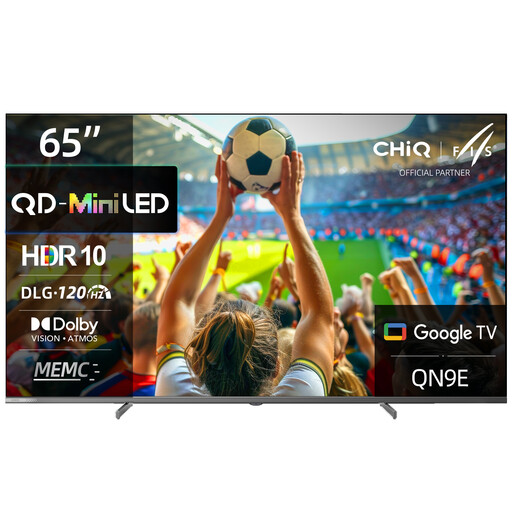
CHiQ M65QN9E, 65 inches, 4K UHD Mini LED
You can compare the 65-inch screen size with your viewing distance and seating positions.
The product name lists 4K UHD, Mini LED, QLED, Dolby Atmos, Dolby Vision, DLG 120Hz, MEMC and Google TV (Android 14).
View at Joybuy
 No image available
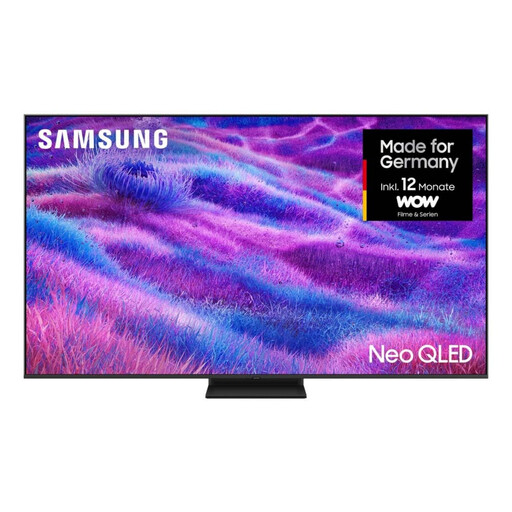
Samsung Neo QLED QN80F, 85 inches, 4K Mini LED
At 85 inches, it's particularly important to check that the screen size and viewing distance suit your room.
The product name lists 4K, Mini LED, Dolby Atmos and Quantum Matrix Technology Core.
View at Joybuy
 No image available
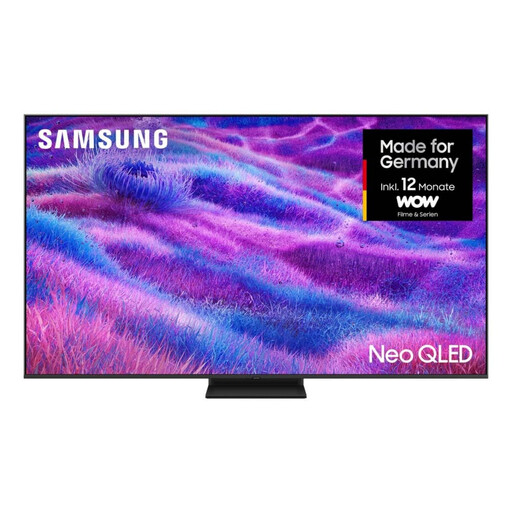
Samsung Neo QLED QN80F, 75 inches, 4K Mini LED
You can compare the 75-inch version with the space available and the distance from your usual seats.
The product name lists 4K, Mini LED, Dolby Atmos and Quantum Matrix Technology Core.
View at Joybuy
 No image available
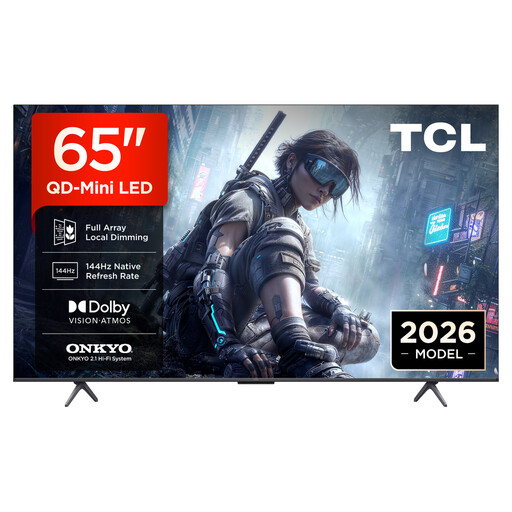
TCL 65T8D, 65 inches, QLED with QD Mini LED Dimming
You can assess the 65-inch screen size against your viewing distance and the space available.
The product name lists QLED, QD Mini LED Dimming, 4K HDR and 144 Hz.
View at Joybuy
 No image available
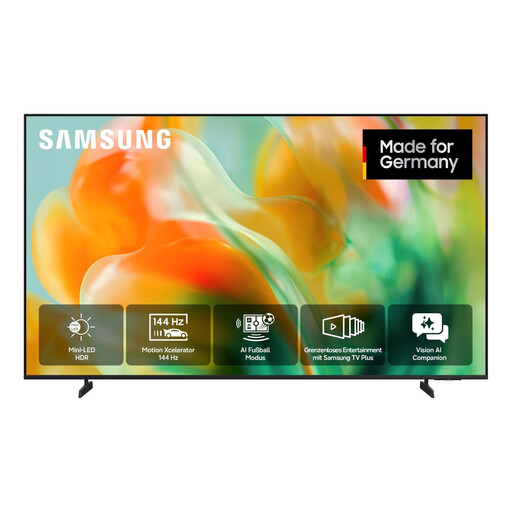
Samsung GU65M80H, 65 inches, 4K Mini LED
You can compare the 65-inch screen size with your viewing distance and seating positions in the living room.
The product name lists Mini LED and 4K. The product description lists DVB-T2 HD, DVB-C, DVB-S and DVB-S2 reception standards.
View at Joybuy
Frequently asked questions
What screen size is best for watching architecture programmes?
Measure your usual viewing distance and consider the resolution of the programmes you watch. Germany's Verbraucherzentrale also lists the lighting conditions and viewing angles where the TV will be placed as factors. You can't choose a specific screen size based on programme genre alone.
Will a 4K TV show every programme in 4K?
No. The screen's resolution and the quality of the programme you receive are different things. Germany's Verbraucherzentrale says UHD content is limited on regular TV services, while streaming services offer a wider selection.
What should I look for in a TV for a bright living room?
Check for reflections and make sure both bright and dark scenes are clear from your intended viewing position. Germany's Verbraucherzentrale identifies daylight viewing as a possible advantage of LED TVs. To see whether a particular screen finish reduces distracting reflections, assess the exact model in relation to your window position.
How can I compare the energy use of different TVs?
Compare the EU energy label and EPREL entry for the exact model, including the figures for HDR. Your actual annual energy use will also depend on how long you use the TV and your settings.
Can I automatically receive encrypted HD channels after buying a TV?
No. Depending on your provider, you may need to activate the service, which could involve extra costs. You may also need suitable reception equipment. Check the requirements for the channels and reception option you plan to use.


