For watching in daylight by a window
If you often watch cooking shows in daylight, you’ll want to be able to see the ingredients, cooking techniques and on-screen text despite possible reflections.


If you often watch cooking shows in daylight, start by comparing reflections and how the TV displays bright scenes. A Mini LED LCD with an anti-reflective finish specified for the exact model could be a suitable option. If several people sit off-centre, or you also use the TV in the evening, compare viewing angles and contrast with an OLED in the spot where you plan to place it. Manufacturer specifications alone can’t tell you how a TV will look in your living room.
If you often watch cooking shows in daylight, you’ll want to be able to see the ingredients, cooking techniques and on-screen text despite possible reflections.
If you and others sit in different parts of the room, you should be able to assess the picture quality from the side as well.
If you want to keep using your existing way of receiving TV and watch episodes later, check the reception method and the internet features you’ll need. The Verbraucherzentrale recommends deciding how you want to receive TV before buying. ARD says an internet connection is required for HbbTV.
Start by checking the lighting and your viewing distance, then work out which reception and catch-up features you actually need. The Verbraucherzentrale recommends considering both viewing distance and reception method when choosing a TV.
| What matters | What to check before buying | Who it matters to most |
|---|---|---|
| Reflections in daylight | Compare the anti-reflective features specified for the model and how it displays bright scenes in the spot where you plan to place it. | If I watch cooking shows during the day, I want to see the ingredients and on-screen text despite light from the window. Around 34% of consumers put reflections and daytime picture quality first. |
| Off-centre seating | Assess colour and contrast from the seats you actually use. | If we sit in different parts of the living room, I want to be able to see the picture clearly from the side too. Around 20% of consumers prioritise viewing from several seats. |
| Live TV and catch-up | Check your existing reception method and the catch-up, app or HbbTV features you need. | If I want to keep watching live TV and catch up on missed episodes, I need a suitable reception method and the features it requires. Around 20% of consumers put this need first. |
| Screen size and placement | Check the viewing distance, available space and the TV and stand dimensions before choosing a size. | If space is limited or my viewing distance is fixed, I want to know which screen size will actually fit the room. Around 13% of consumers prioritise space and placement. |
| Purchase and running costs | Compare TVs and their EU energy labels, and take your own electricity tariff and only the services you actually want into account. | If I’m weighing up both the purchase price and ongoing energy use, I want to estimate the costs using my own tariff. Around 13% of consumers focus on the total cost. |
These terms don’t guarantee a particular anti-reflective performance for every model. What matters is the specification of the exact model and the light sources in your room.
Check the details for the exact model and assess reflections from your usual viewing angle.
The screen and stand need to suit the room and the furniture or wall space you plan to use.
Before buying, measure the viewing distance and available space, then compare them with the dimensions of the exact TV.
Delivery, installation or connection may be charged separately, depending on the service you choose.
Live TV depends on the reception method; HbbTV requires an internet connection. The programmes available to watch later also depend on the service in question.
Make a note of your reception method and the programmes and services you want before checking which features you need.
Depending on the reception service you choose, you may need an additional device or a paid subscription.
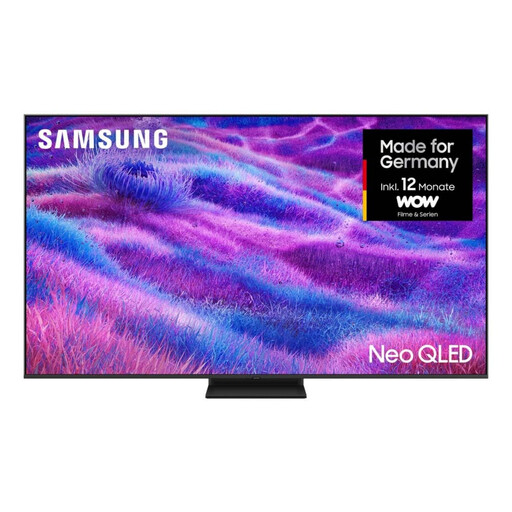
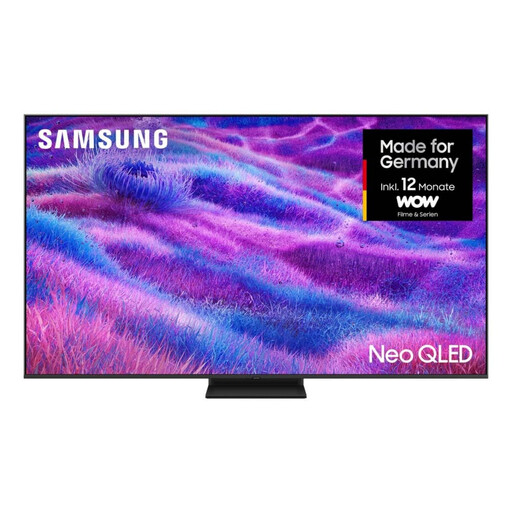
The GQ65QN90FATXZG is a specific Neo QLED Mini LED model worth comparing if reflections are a concern.
The 65U8Q is a Mini LED model worth comparing for viewing in daylight and managing reflections.
The OLED65G58LW is an OLED evo model for buyers who want to consider viewing angles and evening contrast as well as daylight performance.
The 65C8K is a QD Mini LED model worth comparing if you’re looking for a bright LCD picture.
According to Sony, the XR-65X95L combines Full Array Mini LED with a specified anti-reflective feature.
The Joybuy TVs below differ in screen size, display technology and smart TV features, among other things. Before choosing, check which size suits your room and which reception and catch-up features you need.
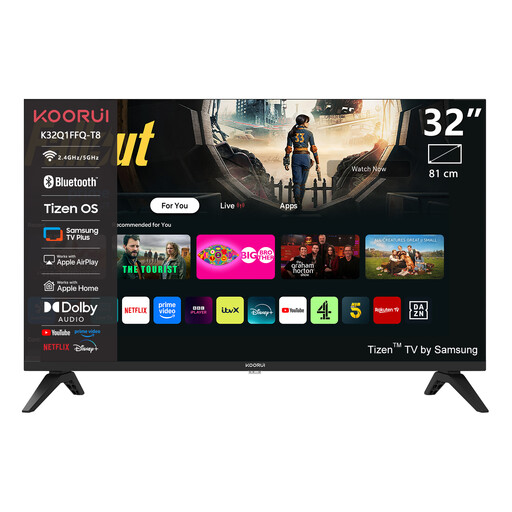 No image available
A compact screen size for buyers looking for a smaller TV.
The product name specifies a QLED screen, Full HD resolution and Tizen OS.
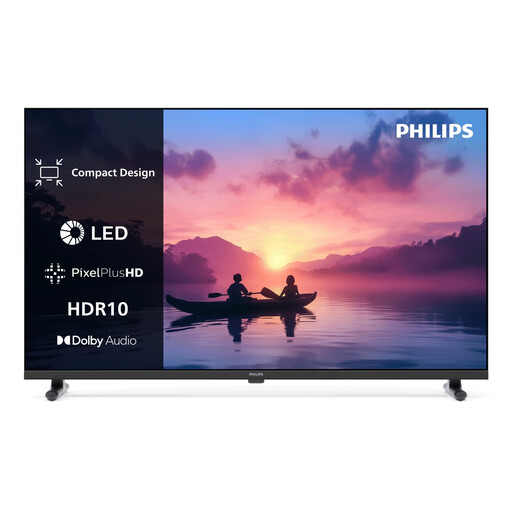 No image available
The 24-inch screen size is an option for buyers specifically looking for a small TV.
The product name specifies HD resolution, LED technology and model year 2026.
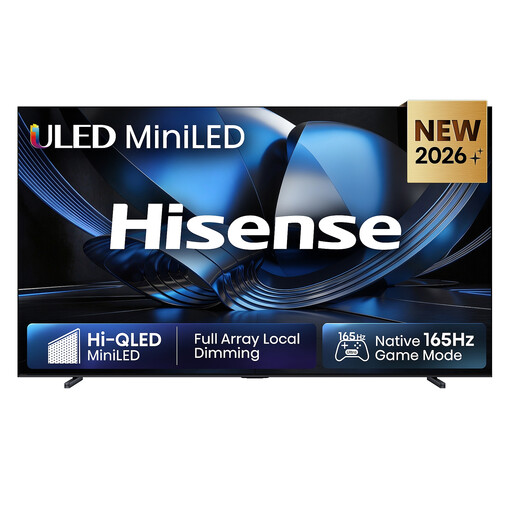 No image available
Only consider this screen size if the available space and viewing distance are right for your room.
The product name specifies a 100-inch screen, 4K resolution, ULED Mini LED, 165 Hz and VIDAA Smart OS.
 No image available
The 85-inch version requires plenty of space and a suitable viewing distance.
The product name specifies 4K resolution, Mini LED technology, 120 Hz and energy class F.
 No image available
Compare the 75-inch version with your viewing distance and the space available.
The product name specifies a 75-inch (189 cm) screen, 4K resolution, Mini LED technology, 120 Hz and energy class F.
No. Peak brightness alone doesn’t tell you how the picture will look in daylight. Also check reflections and how the TV displays large bright areas; an anti-reflective specification applies to the particular model.
HbbTV gives you access to catch-up content for supported ARD services. According to ARD, you’ll need a suitable device connected to the internet. If your TV doesn’t support HbbTV, a suitable receiver connected to the internet can be an alternative. Check that the programme you want is available.
Measure your viewing distance and available space, and decide which reception method you’ll use. If you need delivery, installation or connection services, check what’s included and whether there are any extra costs with the offer in question. Also consider whether light sources will shine on the screen from the seats you usually use.
Compare the energy consumption figures for the exact models and calculate the cost using your own electricity tariff. The Verbraucherzentrale recommends using the EU energy label as a guide when choosing a new TV. The EU requires products that must carry a label to display it clearly, including in online shops.
Generally, the broadcasting fee is charged per household, not per TV. The ARD ZDF Deutschlandradio Beitragsservice lists the fee as 18,36 € per household per month; exceptions may apply in certain living situations.