People who review recordings during the day
If you watch choir recordings with tall windows open, consider how distracting reflections might be and whether you can still make out details in a bright room.


If tall windows cast light on your screen, a Mini LED TV with anti-glare performance verified for the specific model is a sensible starting point. A well-treated OLED could also work, provided the picture remains clear in your room’s lighting conditions. For group viewing, you’ll also want to check the picture from seats at the sides, and play your original files with sound. Test these points on the model you’re considering rather than relying on brightness or panel specifications alone.
If you watch choir recordings with tall windows open, consider how distracting reflections might be and whether you can still make out details in a bright room.
For rehearsal and concert files, the way the specific recording plays and the intended audio setup are key. Check both on the model you’re considering.
If several people need to look at formations and movements at the same time, check the picture from seats at the sides as well.
Check reflections and picture performance together in daylight; RTINGS.com treats these as separate factors from brightness alone. Sony provides model-specific codec lists for playing your own files.
| What matters | What to check when buying | Who is this important to? |
|---|---|---|
| Daylight and reflections | Assess the specific model’s reflection handling alongside the position of your windows. | If I want to make out details in dark concert footage with the window open, I look at reflections and picture performance together. Around 33% of consumers prioritise screen visibility in daylight. |
| Your own recordings and sound | Test a typical original file with its soundtrack, and check the codecs and connections. | If I want my choir recordings to play reliably and be heard through the setup I intend to use, I test picture and sound together. Around 27% of consumers prioritise playing their own files and the audio setup. |
| Seats at the sides | Consider your planned seating area and view the picture from the seats at either end. | When reviewing footage together, I want to be able to assess details from seats at the sides too. Around 27% of consumers prioritise picture performance from different seating positions. |
| Purchase and running costs | Consider the model’s energy label and product fiche, as well as any extra equipment you may need. | If I need to weigh up not only the purchase price but also electricity use and the required setup, I compare the information for the exact models. Around 13% of consumers prioritise total cost. |
Brightness and reflection handling are different features. Even a bright screen can show distracting reflections.
Check how the specific model handles reflections at an angle similar to the light from your windows, and also assess the picture in a bright room.
Support depends on the model and the individual file. Even a file listed as compatible may not play in every case.
Before you decide, test a representative original file with its soundtrack. If you need a separate playback device, check the connection and setup as well.
An additional playback device or a compatible version of the file could mean extra effort.
The picture can look different from seats at the sides than it does head-on. This matters when a group is reviewing details together.
Include the outer seats you plan to use when comparing models.
Electricity use, and any costs for installation or a playback device, may also influence your decision.
Compare the energy label for the exact model and consider what extra equipment or services your setup requires.
The QN90F is a model-specific Mini LED option for rooms affected by unwanted light.
The OLED65G69LS is an OLED alternative for buyers who want to review dark recordings as well as footage in daylight.
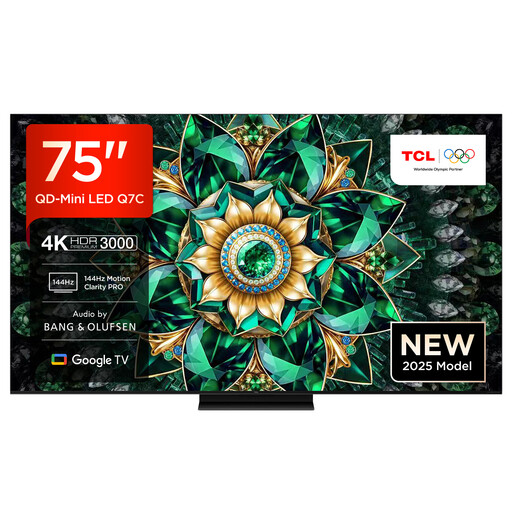
The Q7C, C7L and C8L ranges offer further Mini LED options, depending on the model.
The BRAVIA 9 II is another LCD option. Sony also provides model-specific guidance on playing files.
The 55U7DS Pro is a specific Mini LED model to consider when comparing bright LCD TVs.
The products below are Mini LED TVs. Check anti-reflection performance, picture quality by your windows and playback of your recordings separately for each model.
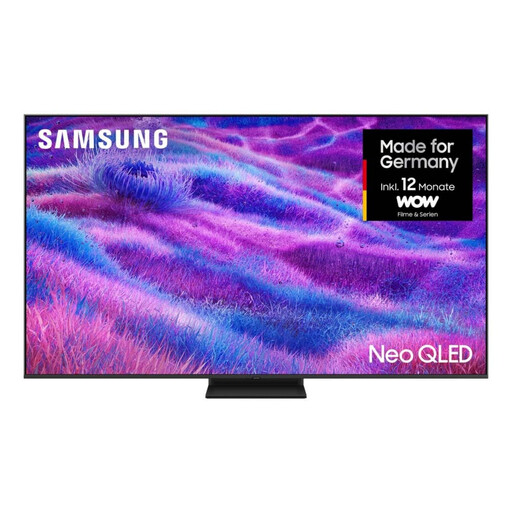 No image available
The 75-inch screen could be a good option for reviewing choir recordings together, provided it suits your viewing distance and available space.
The product name lists 4K, Mini LED and energy efficiency class F.
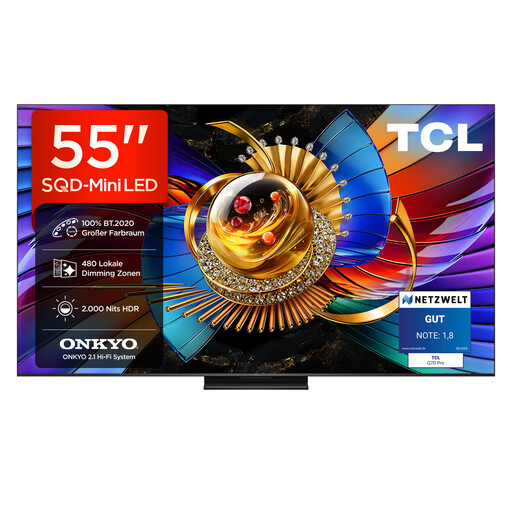 No image available
This model is worth considering if you want to compare a Mini LED TV with a stated anti-reflection feature. Check how it performs by your own windows.
The product name lists 55 inches, 4K, Anti-Reflection and 144 Hz.
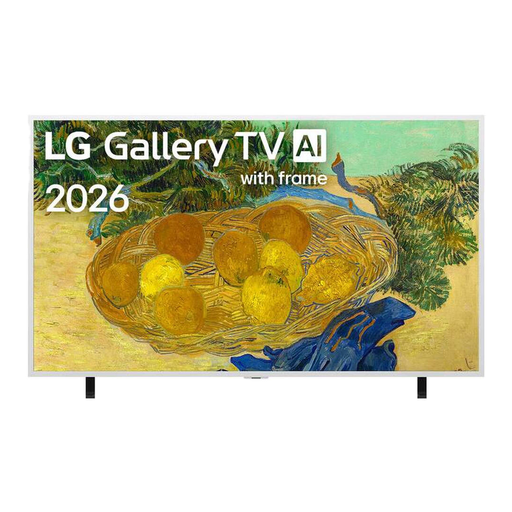 No image available
This Mini LED model could suit reviewing footage on a larger screen, provided the screen size works for your room.
The product name lists 4K and Mini LED.
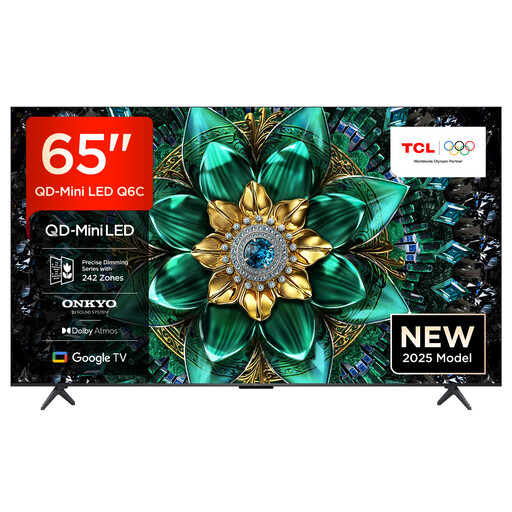 No image available
The 65-inch screen could work well for reviewing footage together, if it suits your intended viewing distance.
The product name lists 4K, HDR Premium, Dolby Vision IQ and Dolby Atmos.
 No image available
The larger screen could be useful for group viewing. Check that it suits your viewing distance and available space.
The product name lists 4K, QD Mini LED, Dolby Vision IQ and Dolby Atmos.
Compare the codec list for the exact model with a typical original file, then test picture and sound together. Sony provides model-specific lists and notes that even files listed as compatible may not play in every case.
First decide where the screen and seats will go, then assess the TV in similar daylight. Check for direct reflections and view the picture from seats at the sides too; brightness alone won’t tell you enough.
Compare the EU energy label and product fiche for the exact models. The European Commission provides model-specific information through EPREL; your actual costs will also depend on how long you use the TV and your electricity tariff.
In Germany, the retailer is generally responsible for ensuring the goods were free from defects when handed over for a period of two years; this is separate from any voluntary manufacturer’s warranty. According to the Verbraucherzentrale, consumers buying online also generally have a 14-day right to cancel, although exceptions may apply.