Watching together from the sofa
If you’re sitting in several different places, it’s important that the stage and colours remain clear from the side. RTINGS.com highlights viewing angle as an important factor for wider seating arrangements.


When choosing a TV for concert films in a shared flat, start by considering whether everyone will get a clear picture from their seat and how late you’ll be watching. RTINGS.com highlights wide viewing angles for larger seating arrangements, while headphone connections and possible audio transmission delays need to be checked for the specific model. Then use your room lighting, viewing distance, available space and the EU energy label to narrow down the right screen technology and size.
If you’re sitting in several different places, it’s important that the stage and colours remain clear from the side. RTINGS.com highlights viewing angle as an important factor for wider seating arrangements.
If other people in your shared flat are sleeping or working, you’ll need a suitable headphone connection and reliable audio transmission. RTINGS.com notes that wireless headphones can introduce a delay, depending on the connection.
If you need to factor in your room, viewing distance and shared budget, screen size shouldn’t be the only deciding factor. The Verbraucherzentrale recommends measuring your viewing distance, while the EU energy label makes it easier to compare energy figures.
Start by deciding where everyone will sit and how you’ll listen. Then compare picture quality in your usual room lighting and narrow down the size based on viewing distance, available space and energy figures.
| What matters | What to check when buying | Who is this important for? |
|---|---|---|
| Picture quality from different seats | Decide where everyone will sit and compare published viewing-angle tests for the specific model. | If we sit in different places, we want the stage and colours to remain clear from the side, too. This matters to around 33% of consumers who prioritise watching together. |
| Considerate listening | Check the headphone output and the right ARC or eARC connection for a soundbar you plan to use. | If we watch late without disturbing anyone, we need a suitable private or quiet way to listen. This matters to around 25% of consumers who put considerate listening first. |
| Picture quality in changing room light | Think about the lighting at your usual viewing times and compare contrast and reflection tests for the exact model variant. | If we watch in both daylight and dimmed light, we want to weigh up reflections against dark stage scenes. Around 25% of consumers focus on these changing lighting conditions. |
| Size and shared-flat budget | Measure your viewing distance and available space, and compare the SDR and HDR energy figures for specific models. | If we’re balancing screen size, space and shared costs, we don’t want to decide on screen diagonal alone. This matters to around 17% of consumers who prioritise size and their shared-flat budget. |
A picture that looks impressive when you’re sitting directly in front of the TV doesn’t necessarily show how it will look from seats to the side.
Decide where everyone will sit and how far away, then read viewing-angle tests for the exact model. If possible, check the picture from the side, too.
A soundbar won’t automatically solve the question of how to listen at night without disturbing anyone. Wireless headphones can also cause a delay between the picture and sound.
Before you buy, work out which headphone and soundbar connections you need, and whether the connection you plan to use sounds in sync to you.
You may need extra audio equipment for private listening; a soundbar won’t necessarily replace a separate headphone connection.
The long-term test cited by RTINGS.com involves extreme use, with static images displayed continuously at high brightness. It doesn’t predict what will happen with a mix of films.
Think about whether the same music menu or logo is likely to stay on screen for hours at a time on your shared-flat TV, and factor the test conditions into your decision.
A larger TV needs to suit your viewing distance and available space. The Verbraucherzentrale notes that larger sets generally use more electricity; the EU energy label helps you compare specific models.
Check the dimensions and SDR and HDR energy figures, and find out about any delivery or installation services before placing your order.
The TV-55Z95BEG is an OLED model with built-in Fire TV and a sound system, making it a useful option for comparing picture and built-in audio.
The OLED55G69LS is a specific G6 OLED model to consider when comparing contrast, reflections and Dolby Vision.
The GQ55S95FATXZG is an S95F OLED variant worth considering when comparing anti-reflection features.
The K-55XR5 is a Mini LED option for comparing specific TVs in brighter rooms.
The 55C7K is a QD Mini LED option to consider when comparing bright and dark concert footage.
This selection includes Mini LED and OLED TVs for concert films. Compare screen size and connections with your seating arrangement and listening needs.
 No image available
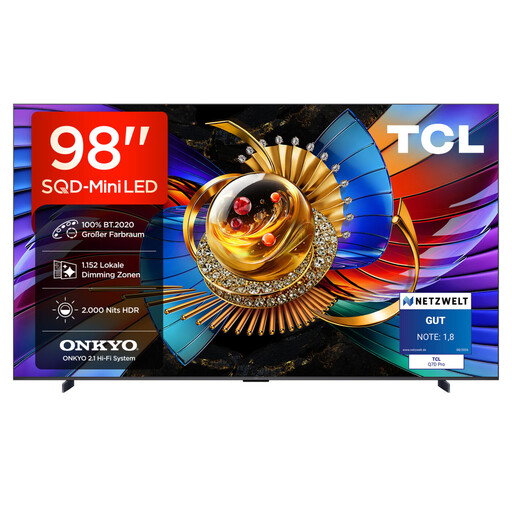
A Mini LED option to compare if you’re considering a very large screen as part of your room layout.
4K, QD Mini LED, 1,152 dimming zones and Dolby Vision IQ. The listed width is 2,180 mm, so measure the space available before you buy.
 No image available
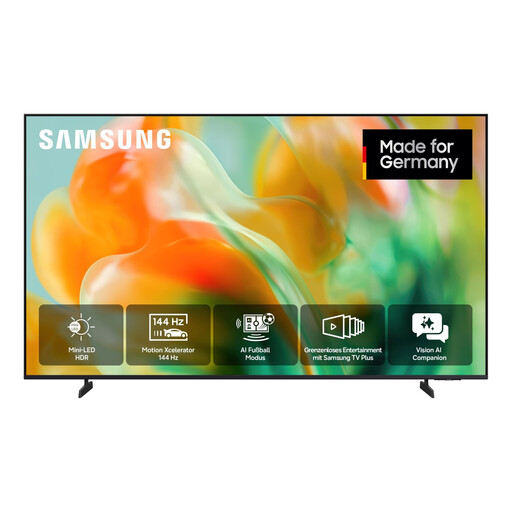
A 55-inch Mini LED option if you’d like to compare a smaller screen with very large models.
4K and HDR10+ Adaptive; the product description lists three HDMI ports and Tizen with streaming apps.
 No image available
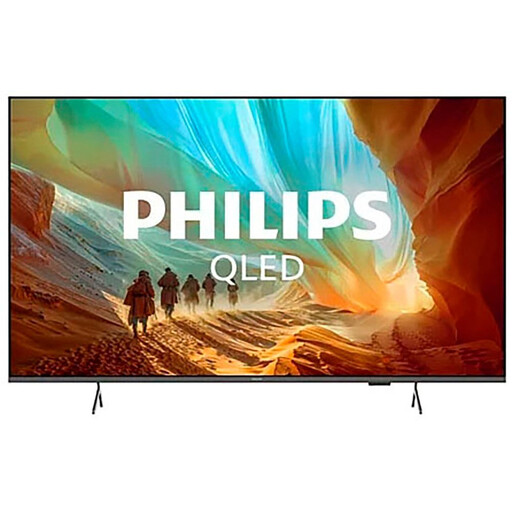
A 43-inch option if available space and a private audio connection are part of your decision.
4K QLED with HDR10+ and HLG. The product description lists a headphone socket, Bluetooth 5.2 and three HDMI ports with eARC.
 No image available
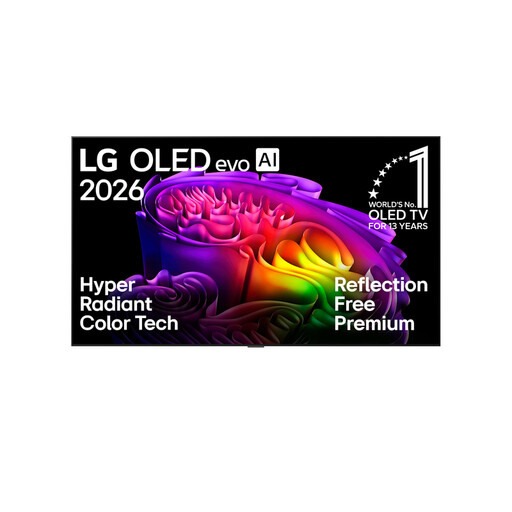
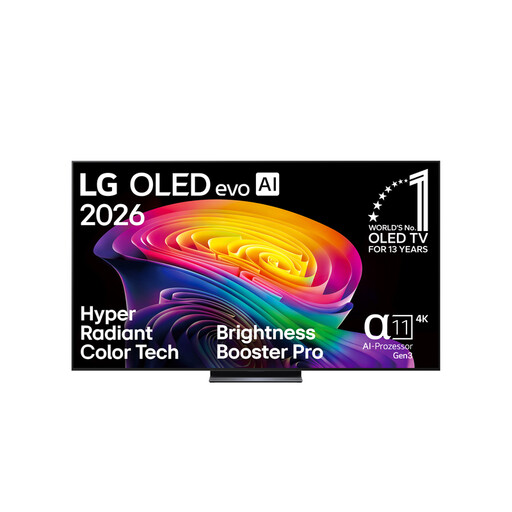
An OLED option to compare for dark concert footage and changing lighting conditions.
4K OLED with Dolby Vision. The product description lists an anti-reflective finish; compare how well it suits the light sources in your room.
 No image available
An OLED option to compare if you’ll be watching from several seats and have enough room for it.
4K OLED with Dolby Vision. The product description lists wide viewing angles; check how the picture looks from your seats and measure the space before setting it up.
Start by deciding where everyone will actually sit. Tests of the specific model’s horizontal viewing angle are especially relevant for seats to the side; a good picture when viewed head-on isn’t enough to make a proper comparison.
Compare the connections on both devices: ARC or eARC can send TV audio to a compatible soundbar over HDMI. For headphones, check which output or supported wireless connection is actually available; depending on the connection, Bluetooth can cause a delay between picture and sound.
Measure your viewing distance and available space, then compare the dimensions and SDR and HDR energy figures for specific models. The EU energy label also shows screen diagonal and resolution; delivery or installation services may incur extra costs.
The Umweltbundesamt says you can return a large old appliance free of charge when buying a new appliance of the same type, including with online purchases delivered to your home. Electrical waste shouldn’t go in household rubbish. For online orders, the Verbraucherzentrale states that you generally have a 14-day cancellation period from delivery. Check the returns process and applicable terms before ordering.