What should you look for when buying?
Start by checking how the specific model handles reflections and brightness, then look at dark scenes and the right screen size. RTINGS.com distinguishes between SDR and HDR brightness; the Verbraucherzentrale recommends considering viewing distance and screen diagonal together.
| What matters to you |
What should you look for? |
Who will find this most important? |
| Reflections and daylight |
Compare independent measurements of reflection handling and SDR brightness for the exact model; check which picture mode was used. |
If you watch during the day with the curtains open and can see windows or lamps on the screen, you’ll want to avoid reflections and an image that’s hard to make out. Around 31% of consumers put reflection handling and daylight visibility first. |
| Dark scenes and black levels |
Compare tests of dark scenes and reflections, ideally in lighting conditions similar to those in your own room. |
If you also watch crime dramas in the evening, you’ll want to make out shadows and dark details without judging black levels by the technology name alone. Around 25% of consumers prioritise dark-scene performance. |
| Size and placement |
Measure your viewing distance and available space before choosing a screen diagonal; if there are several seats, check the viewing angles too. |
If your viewing distance or furniture limits where the TV can go, you’ll want to choose a suitable size rather than simply looking for the largest screen. Around 19% of consumers focus first on size and placement. |
| Clear dialogue |
Check independent sound ratings for the specific model; if you plan to add audio equipment, check which connections you’ll need. |
If you want to hear dialogue clearly from your usual seat, factor the built-in sound into your choice. Around 13% of consumers prioritise dialogue clarity. |
| Upfront and ongoing costs |
Compare EU energy information for the exact size and variant; check which delivery or set-up services are included in the specific offer. |
If you’re weighing up the upfront and ongoing costs together, you’ll want to take energy use and any extra services you need into account. Around 12% of consumers focus on the total cost. |
Joybuy products for bright living rooms
The following Joybuy offers include Mini LED and QNED models, as well as an OLED TV. Compare the features listed with your viewing distance, the light sources in your room and what matters most to you in dark scenes.
 No image available
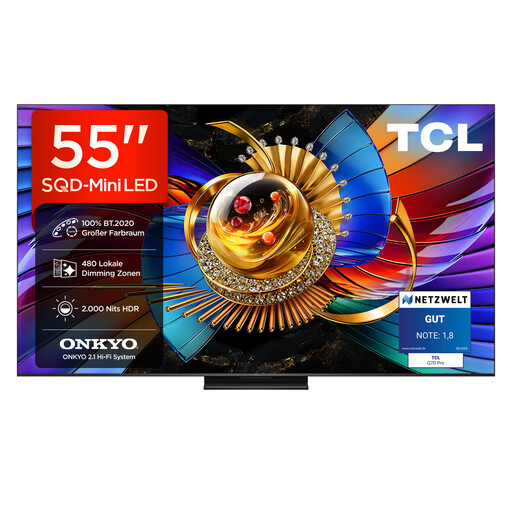
TCL 55Q7D PRO
The model lists anti-reflection and local dimming zones; check whether its actual reflection handling suits your bright room.
55 inches, 4K, SQD Mini LED, 480 local dimming zones, 2,000 nits peak HDR brightness, anti-reflection, 144 Hz, Dolby Vision IQ, Dolby Atmos and Google TV.
View at Joybuy
 No image available
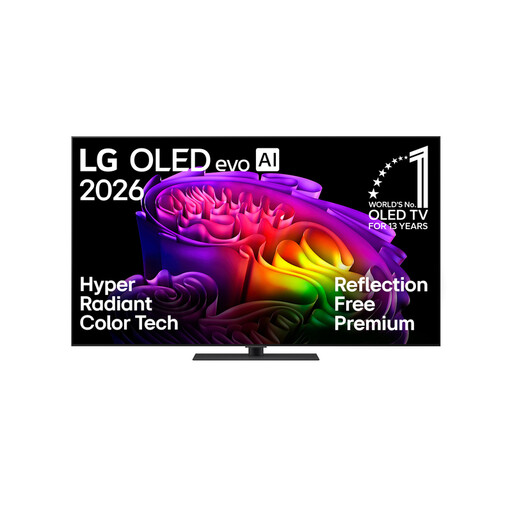
LG OLED65G66LS OLED evo AI G6
This OLED model could be a good fit if you prioritise deep blacks; check its brightness and reflection handling in your room.
65 inches, 4K, OLED evo, up to 165 Hz, Dolby Vision, Dolby Atmos, webOS and stand.
View at Joybuy
 No image available
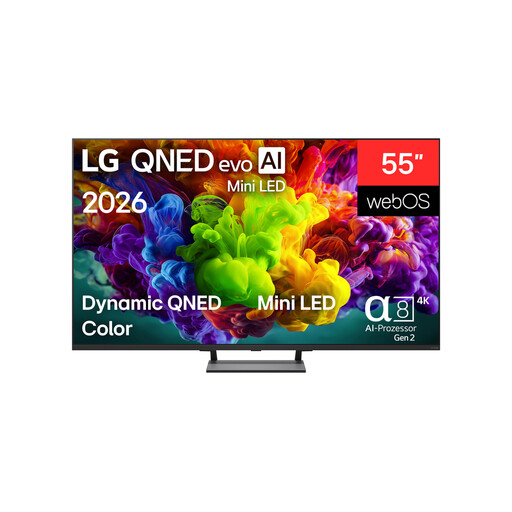
LG 55QNED93B6A QNED Evo
At 55 inches and UHD 4K, this model can be compared with your available space and viewing distance; check how it performs in your lighting conditions separately.
55 inches, 138.8 cm, UHD 4K and Smart TV.
View at Joybuy
 No image available
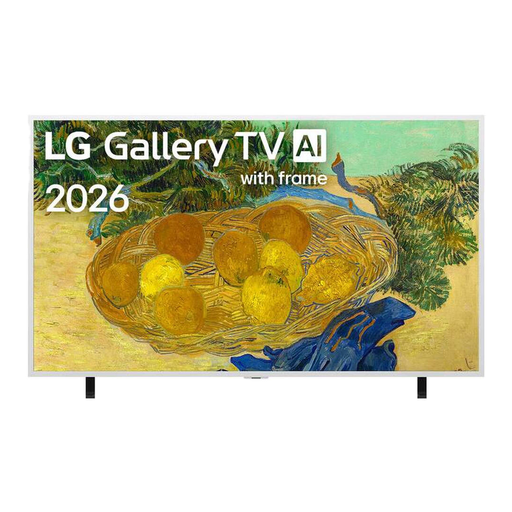
LG 65LX7B6LA LX7 Gallery
This model is listed as a 65-inch Mini LED TV; check that the screen size suits your viewing distance and available space, and see how it handles reflections in your room.
65 inches, 4K Mini LED, α7 Gen9 AI Processor, Dynamic QNED Color and webOS 26.
View at Joybuy
 No image available
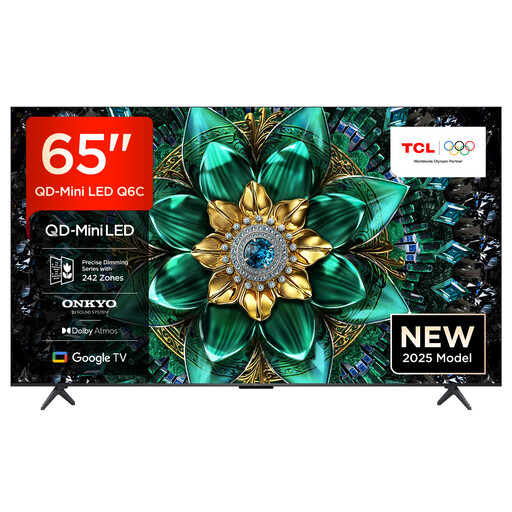
TCL 65Q6C QLED Mini LED
This 65-inch Mini LED model could be worth considering for dark scenes; check that its size and picture performance suit your room.
65 inches, 4K, QLED Mini LED, Dolby Vision IQ, Dolby Atmos, Onkyo 2.1 Sound, Google TV and 144 Hz Motion Clarity Pro.
View at Joybuy
Frequently asked questions
Is a high HDR brightness rating enough for watching crime dramas in the afternoon?
No. Also check how the TV handles reflections, and distinguish between SDR and HDR measurements, as reflections can be particularly noticeable in dark parts of the picture.
How do I decide on the screen size and where to put the TV?
Measure your usual viewing distance and the available space before choosing a screen diagonal. Also consider light sources and seats to the side; the Verbraucherzentrale recommends looking at screen diagonal and viewing distance together.
What should I consider when it comes to delivery, set-up and care?
Before buying, check whether you need delivery or connection services, and what the specific offer includes. Position the TV with windows and lamps in mind; a brighter picture alone won’t reliably get rid of distracting reflections.
How do I compare electricity costs and my rights after buying?
Compare the EU energy information for the exact model and screen size. If a new product is faulty, your statutory rights against the retailer are separate from any voluntary guarantee. For online purchases, the Verbraucherzentrale explains in its information dated 13 August 2026 that you generally have a 14-day right to cancel; check the applicable terms and exceptions.
Does buying a TV mean I have to pay an additional broadcasting fee?
No. In Germany, the broadcasting fee generally applies per household, not according to the number or use of receiving devices. The Beitragsservice lists the fee as 18,36 Euro per month per household; any exemptions are assessed separately.


