With tall windows, first check how the specific display handles reflections, then compare its brightness: a bright picture won’t automatically eliminate reflections from windows. RTINGS.com often describes Mini-LED as a good fit for bright rooms; OLED may be worth considering if you can control the light and dark areas of the picture matter most to you. A display advertised as matt is another option, but you should judge how it looks with the programmes you watch.
Who is this selection relevant to?
Viewers dealing with window reflections
If you can see tall windows in or near the screen from your seat, check how the specific model handles reflections and whether you can position the TV differently. RTINGS.com treats reflection handling as a separate factor when dealing with light sources such as windows.
Daytime viewers
If you usually watch in bright ambient light, it’s important to be able to make out bright façades and indoor scenes, even if reflections aren’t your main concern. RTINGS.com identifies brightness as an important factor for bright rooms.
Viewers who value detail and contrast
If you pay close attention to outlines, textures and gradations between light and dark areas, compare how the picture looks in your usual lighting conditions. RTINGS.com describes OLED as an option for dark rooms; that alone doesn’t tell you how every model performs in daylight.
What should you look for when buying?
Mini-LED LCD
A good fit if: you mainly watch during the day and want a picture that’s easy to see in bright ambient light.
Consider: It may handle challenging transitions between light and dark differently from OLED. Also check how the specific model handles reflections.
OLED
A good fit if: you can control the amount of light entering the room and dark areas of the picture and contrast are especially important to you.
Consider: Compare how the exact model performs in daylight. If you often display static images, you should also consider your viewing habits.
Matt lifestyle display
A good fit if: a tall window is clearly reflected in the screen and you also want your TV to blend into your living space.
Consider: Samsung advertises the matt display on the specific GQ55LS03FAUXZG model as reducing glare. Even so, judge the picture quality with similar programmes and lighting conditions.
| Priority |
What to check when buying |
Who it matters most to |
| Window reflections |
Check reflection tests for the specific model and, if possible, how it displays bright and dark scenes in similar lighting conditions. |
If I can see a window reflected in the screen from my seat, I want reflections to be as unobtrusive as possible; around 33 % of consumers pay particular attention to reflections. |
| Visibility in daylight |
Compare model-specific tests for bright rooms, rather than relying solely on advertised peak brightness. |
If I want to make out bright façades and indoor scenes clearly during the day, picture quality in ambient light is my priority; around 27 % of consumers put daylight brightness first. |
| Picture detail and contrast |
Assess outlines and dark areas in the lighting conditions you usually watch in. |
If fine textures and gradations between light and dark scenes are especially important to me, I compare specific models rather than just panel technology; around 20 % of consumers prioritise picture detail and contrast. |
| Size and positioning |
Measure your viewing distance and available space. If mounting the TV on a wall, check the mounting specifications for the exact model size. |
If I’m choosing a TV for my viewing position, wall or furniture, the dimensions and installation need to work together; around 13 % of consumers focus particularly on size and positioning. |
| Energy consumption and running costs |
For the specific models you’re considering, compare the EU energy label figures for SDR and HDR. |
If I want to factor in energy use and potential running costs, I compare the published energy figures; around 7 % of consumers put these costs at the forefront. |
Common buying mistakes
-
Comparing peak brightness alone
A bright picture won’t automatically get rid of clearly reflected windows. Brightness and reflection handling are two separate things to check.
Compare both for the exact model and see how it displays bright and dark scenes in similar lighting conditions.
-
Assuming “Mini-LED” or “OLED” is automatically the right choice
Each technology has different strengths in different lighting conditions, and TVs using the same technology can vary too.
First consider your room, then compare how specific models handle reflections and how their pictures look.
-
Overlooking energy use and room dimensions
Verbraucherzentrale notes that larger TVs generally use more electricity. Viewing distance and available space also affect which screen size will suit your room.
Measure the space you have in mind and compare the SDR and HDR figures on the EU energy labels for specific models.
Key brands at a glance
Sony
The BRAVIA 9 range is a Mini-LED option for shoppers considering a TV for a bright room.
- Sony describes BRAVIA 9 as a Mini-LED range designed for bright viewing.
- The manufacturer’s claim is no substitute for an independent comparison of how the specific model handles reflections.
LG
LG offers OLED models in a range of sizes, for different lighting conditions.
- LG describes the OLED48C6ELB as having a low-reflection display. The F.A.Z. Kaufkompass highlights the brightness and black levels of the OLED55G59LS.
- These claims relate to the models mentioned and can’t automatically be applied to other sizes or ranges.
Samsung
The Frame is a lifestyle display option if you care about how your living space looks as well as watching TV.
- Samsung advertises the matt display on the GQ55LS03FAUXZG as reducing glare.
- This claim relates to this model and isn’t independent evidence of how it will perform in your lighting conditions.
Philips
The documented 65MLED910/12 model combines QD-Mini-LED with Ambilight.
- Philips describes the model as bright and detailed.
- The claims about brightness and detail come from the manufacturer; assess how the specific model handles reflections separately.
Suitable TVs at Joybuy
The following Joybuy products include Mini-LED TVs and a lifestyle display advertised as matt, suited to bright rooms where window reflections may be an issue.
 No image available
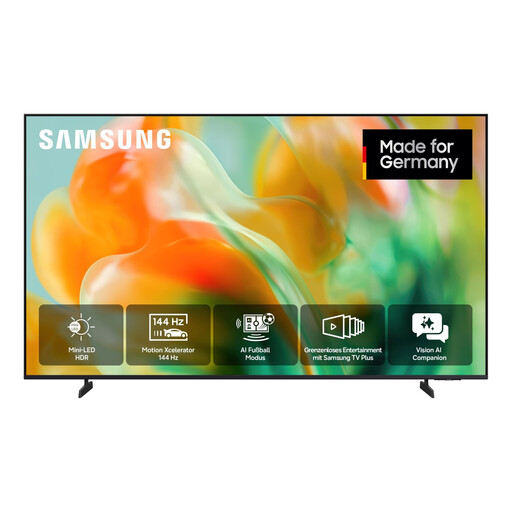
Samsung GU55M80H Mini LED M80H, 55-inch
Its Mini-LED technology makes this model an option if you mainly watch in bright ambient light. Even so, compare how the display handles reflections.
55-inch, 4K UHD, Mini LED HDR+, HDR10+ Adaptive and Tizen. Supports DVB-T2 HD, DVB-C, DVB-S and DVB-S2.
View at Joybuy
 No image available
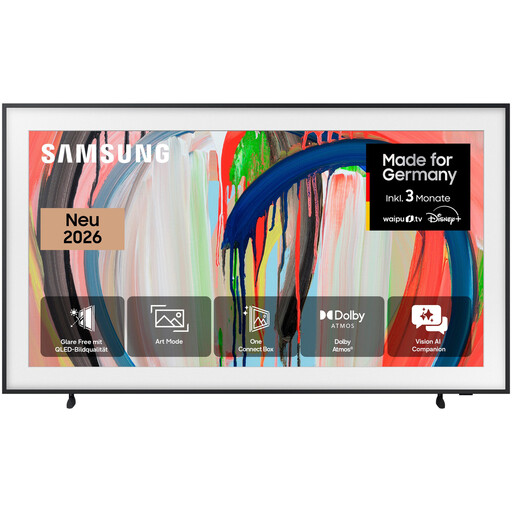
The Frame GQ55LS03HAU, 55-inch
An option if window reflections and how your TV fits into your living space are important to you. The product description says Anti-Glare helps reduce reflections.
4K QLED Smart TV with Art Mode, Filmmaker Mode and HDR10+.
View at Joybuy
 No image available
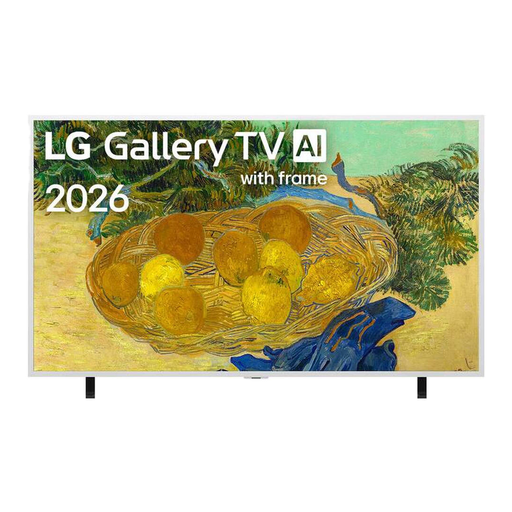
LG 65LX7B6LA 65-inch LX7 Gallery TV
The product description presents this Mini-LED model as suited to bright living rooms. Measure the available space before buying and compare how the picture looks in your lighting conditions.
4K, Dynamic QNED Color, Dynamic Tone Mapping and HDR10/HLG.
View at Joybuy
Frequently asked questions
Will exceptionally high advertised brightness be enough to deal with a window reflected in the screen?
No. Brightness alone won’t eliminate window reflections. RTINGS.com lists reflection handling as a separate factor to check, particularly if windows or other light sources are in your field of view.
How should I plan for screen size and wall mounting?
First measure your usual viewing distance and the space available. If you’re mounting the TV on a wall, check the manufacturer’s specifications for compatible brackets and mounting-hole spacing for the exact model size. Choosing a suitable screen diagonal alone isn’t enough.
Which setting might be worth trying for a natural-looking picture?
Compare different picture modes in daylight and in the evening, using the programmes you usually watch. Samsung describes FILMMAKER MODE as designed to preserve the original picture, and its Movie Mode as a setting for dark environments; available modes vary by model.
How do I compare the energy consumption of different TVs?
For models of a similar size, compare the SDR and HDR energy consumption figures on each EU energy label. To estimate your own costs, you’ll also need to know how many hours you watch and your electricity price; the energy efficiency class alone won’t give you a personalised annual cost.


