Who this buying guide is for

Crime drama fans watching by the window

If you often watch during the day and tall windows could be reflected on the screen, take particular care to check the anti-reflection treatment on the specific model. RTINGS explains why direct reflections can be distracting in bright rooms.

Fans of dark detective scenes

If you watch during the day and in the evening, assess detail in dark scenes separately from performance in bright ambient light. RTINGS compares the conditions each technology is suited to: Mini-LED and OLED.

Living-room and budget planners

If seating, screen size and running costs are key to your choice, measure your usual viewing distance and compare the EU energy label for the exact model. The Verbraucherzentrale recommends considering how you receive TV channels, too; the Umweltbundesamt highlights how screen size affects electricity consumption.

What to consider when buying

Consideration What to check when buying Who it matters most to
Window reflections Compare the model’s anti-reflection treatment and brightness separately, and consider where the windows are in the room. If the tall window is opposite the screen, I want to be able to assess reflections, particularly in dark scenes. Around 31% of consumers put reflections from windows at the top of their list.
Dark crime drama scenes Check dark content in the lighting conditions you actually watch in; on LCD TVs with local dimming, look out for possible blooming. If I want to make out details in dark detective scenes, I compare the picture in dimmer light, too. Around 25% of consumers put dark picture detail first.
Size and positioning Match the viewing distance to the screen size at the intended location, and consider how the TV will be positioned in relation to the windows. If I’m looking for the right screen size for my seating position and window layout, I measure the space before choosing. Around 19% of consumers prioritise size and positioning.
Energy and purchase costs Compare the EU energy label for the exact model and check in advance what delivery or installation services you’ll need. If I’m keeping a close eye on the purchase price and ongoing electricity use, I compare the details for the models I’m considering. Around 13% of consumers make total costs their main concern.
Access to TV series Check how you receive TV channels and which connections you need; for connected TV features, consider the internet connection at the intended location. If I want to use my existing ways of watching and playing content, I first check that they’re compatible with the TV. Around 12% of consumers put access to TV series at the centre of their decision.

Common buying mistakes

  • Assuming brightness means protection from window reflections

    Brightness and the treatment of direct reflections are separate features. A bright picture won’t necessarily stop a window from being reflected in dark scenes.

    Compare tests of the exact model’s anti-reflection treatment and take the actual position of your windows into account.

  • Choosing based on the Mini-LED or OLED label alone

    RTINGS describes how each technology performs in bright and dark viewing conditions. The screen finish and the specific model’s implementation still matter in your room.

    Compare the same type of dark scene in daylight and dimmer light; on LCD models with local dimming, look out for possible blooming.

  • Choosing a bigger screen without considering seating and energy use

    The Umweltbundesamt notes that electricity consumption generally increases with screen size. Your usual viewing distance should also guide your choice.

    Measure your viewing distance and compare the EU energy labels for the screen sizes you’re considering.

Relevant brands and model ranges

Sony

The BRAVIA 9 II is one model to consider when comparing TVs for bright rooms.

  • In its review for bright rooms, RTINGS gives the BRAVIA 9 II a positive assessment for anti-reflection treatment and brightness.
  • Sony describes the German model as an RGB LED TV. Findings about the BRAVIA 9 II don’t automatically apply to other models or every window position.

TCL

The 65Q7D Pro is an SQD Mini-LED option to compare if you’re considering an LCD TV with local dimming.

  • For this exact 65-inch version, TCL lists 646 dimming zones and HDR peak brightness of up to 2,000 nits.
  • These are manufacturer specifications, not an independent assessment of performance in daylight. Check reflections and dark scenes on the actual TV.

Samsung

The OLED S95F is an OLED option to compare, with a screen finish the manufacturer calls “Glare Free”.

  • The claim about reducing reflections applies to this model.
  • It doesn’t guarantee that a tall window opposite the screen will be invisible, and it doesn’t apply to every Samsung OLED TV.

LG

The OLED evo G5 is worth comparing if dark scenes matter to you and you also want to consider an OLED the manufacturer positions as bright.

  • For the OLED65G56LS, LG lists “Brightness Booster Ultimate” and Dolby Vision.
  • These manufacturer features alone don’t confirm how the TV handles reflections from a window or prove an advantage over a particular Mini-LED model.

Philips

The 65MLED910/12 is a Mini-LED option to consider if you want to compare Ambilight and this model’s features in particular.

  • For this model, Philips lists QD MiniLED, Ambilight and Dolby Vision.
  • Manufacturer claims about picture performance are no substitute for checking direct window reflections where you plan to put the TV.

Joybuy models for the LCD/Mini-LED route

The Joybuy models below are all LCD/Mini-LED options. Compare their stated anti-reflection and brightness features with your window layout and viewing distance; product features are no substitute for checking how the TV will work in your actual setup.
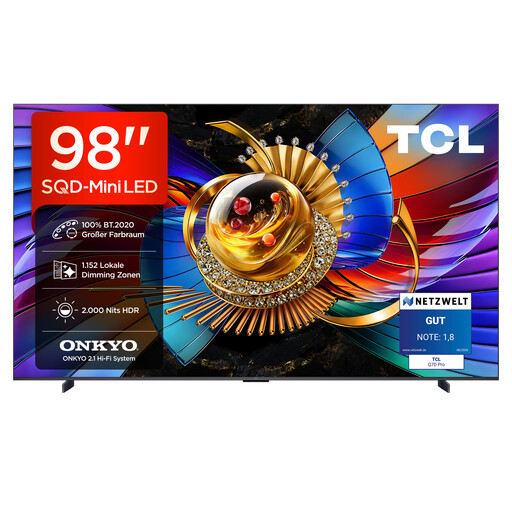
TCL 98Q7D PRO, 98-inch, 4K SQD-Mini LED

TCL 98Q7D PRO, 98-inch, 4K SQD-Mini LED

The 98-inch screen size could suit you if it works with your viewing distance and available space.

The product title lists Anti-Reflection, 2,000 nits HDR and 1,152 local dimming zones.

View at Joybuy
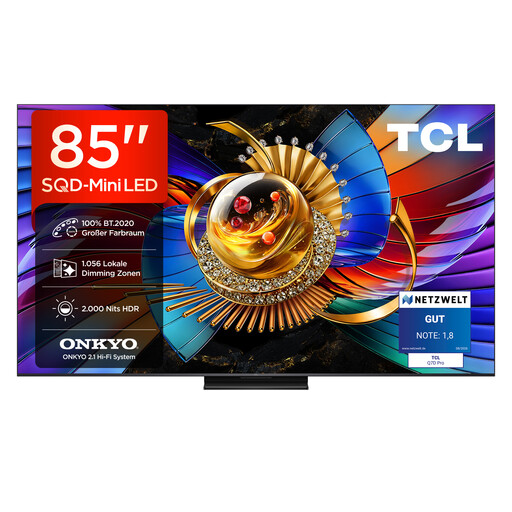
TCL 85Q7D PRO, 85-inch, 4K SQD-Mini LED

TCL 85Q7D PRO, 85-inch, 4K SQD-Mini LED

The 85-inch screen size could suit you if it works with your viewing distance and available space.

The product title lists Anti-Reflection, 2,000 nits HDR and 1,056 local dimming zones.

View at Joybuy
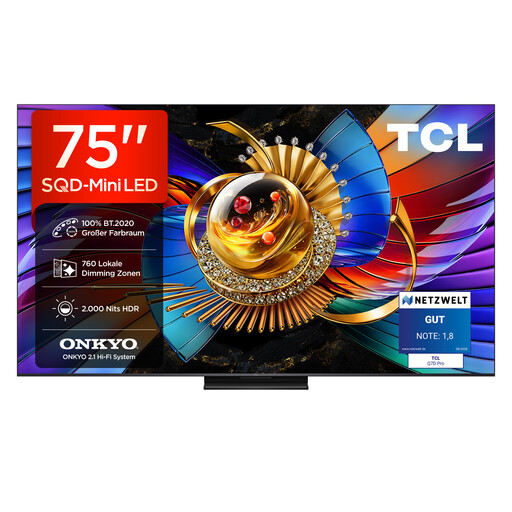
TCL 75Q7D PRO, 75-inch, 4K SQD-Mini LED

TCL 75Q7D PRO, 75-inch, 4K SQD-Mini LED

The 75-inch screen size could suit you if it works with your viewing distance and available space.

The product title lists Anti-Reflection, 2,000 nits HDR and 760 local dimming zones.

View at Joybuy
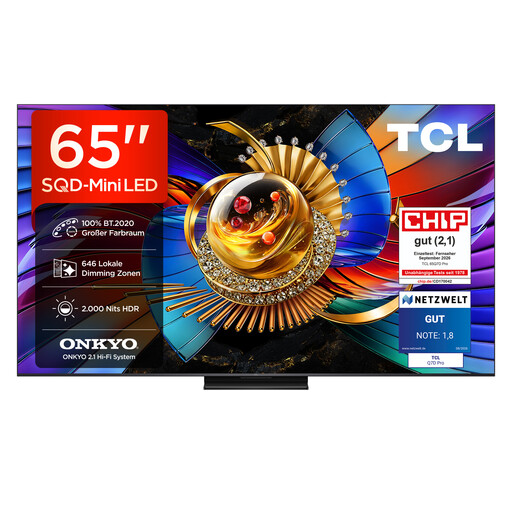
TCL 65Q7D PRO, 65-inch, 4K SQD-Mini LED

TCL 65Q7D PRO, 65-inch, 4K SQD-Mini LED

The 65-inch screen size could suit you if it works with your viewing distance and available space.

The product title lists Anti-Reflection, 2,000 nits HDR and 646 local dimming zones.

View at Joybuy
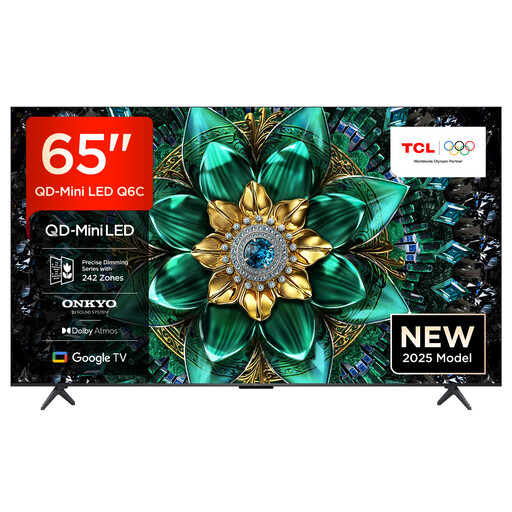
TCL 65Q6C, 65-inch, 4K QD-Mini LED

TCL 65Q6C, 65-inch, 4K QD-Mini LED

The 65-inch screen size could suit you if it works with your viewing distance and available space.

Model specifications include local dimming, a matte HVA screen finish and peak brightness of 1,000 nits.

View at Joybuy

Frequently asked questions

Will a high advertised nits figure be enough to deal with a tall window?

No. Assess brightness and direct reflections separately. If the window is opposite the screen, the anti-reflection treatment on the specific model is particularly important; even a suitable TV may still reflect light.

What should I measure and connect before setting up my TV?

Measure your usual viewing distance, plan where the TV will go in relation to the windows, and check how you receive TV channels and which devices you already use. Connected TV features require an internet connection. If needed, check in advance what delivery or installation services you’ll need.

What does the EU energy label tell me when buying a TV?

EU energy labelling applies to electronic displays such as TVs. Compare the details for the exact model, including energy use during SDR and HDR playback; this doesn’t set a particular energy efficiency class as a general buying requirement. The European Commission explains energy labelling for electronic displays.

Is a manufacturer’s warranty the same as your statutory consumer rights?

No. If a product is faulty, your statutory rights apply against the seller, while a warranty is a voluntary additional promise subject to its own terms. The Verbraucherzentrale explains the difference between these two rights. For a large TV, also check how collection or return would be handled if needed.

Can I put my old TV in the household rubbish?

No. Take it to a local collection point or use an appropriate take-back scheme. Under § 17 ElektroG, retailers covered by the obligation may have to take back an old appliance of the same type when supplying a new one to an end user; check the specific requirements and arrangements with the retailer. The rules are set out in the Act on the Placing on the Market, Return and Environmentally Sound Disposal of Electrical and Electronic Equipment.