Fans watching in a sunny living room
If you watch in daylight and can’t fully block out windows or lights, assess reflection handling and brightness separately. RTINGS.com highlights both aspects when considering reflections.


When choosing a TV for a football final in a bright living room, first consider whether general room lighting or direct reflections are the main issue. Brightness can help in a well-lit room, but it can’t replace good reflection handling. RTINGS.com distinguishes between these two factors. If you’ll be watching with several people, viewing angles and a screen size suited to your seating distance also matter, as the German consumer advice centre and RTINGS.com explain. For fast-moving action, the native refresh rate is more useful than a peak gaming figure, while the reception method and the specific broadcast determine the quality of the picture on screen.
If you watch in daylight and can’t fully block out windows or lights, assess reflection handling and brightness separately. RTINGS.com highlights both aspects when considering reflections.
If guests will be sitting further away or off to the side, check viewing angles and screen size alongside the distances between seats. The German consumer advice centre points to viewing distance as an important factor when choosing the right size, while RTINGS.com treats viewing angle as a separate criterion.
If you pay close attention to camera pans and player movement, don’t confuse a TV’s native refresh rate with advertised gaming features. The German consumer advice centre explains that a higher refresh rate can make fast movement look smoother.
In a bright room, assess reflections and overall brightness separately. Viewing distance, motion handling and reception are separate considerations when choosing a TV (RTINGS.com; German consumer advice centre).
| What to consider | What to check before buying | Who it matters most to |
|---|---|---|
| Picture in daylight | Where windows and lamps are positioned in relation to the screen; how the specific model handles reflections. | If I watch during the day and can’t fully darken the room, I want to assess reflections and overall brightness separately. Around 31% of consumers give daylight the highest priority. |
| Viewing from guests’ seats | Check seating distances and seats to the sides; assess screen size and picture quality from an angle. | If several people will be sitting off to the side or further away, I want to choose a size and viewing angle that work for those seats. Around 25% of consumers put guest seating first. |
| Fast-moving action | Distinguish the native refresh rate from advertised peak gaming figures; where possible, assess it using a comparable TV source. | If camera pans and player movement matter most to me, I focus on motion handling rather than relying on a gaming specification alone. Around 25% of consumers put this first. |
| Reception and ongoing costs | Check the specific broadcast and reception method; factor in the connections you need and any potential programme or equipment costs. | If I mainly want to know how the match will reach my screen and what ongoing costs to expect, I’ll check reception before buying. Around 19% of consumers prioritise reception and total costs. |
Brightness in general room lighting and reflections from windows or lamps are two different things. A screen advertised as bright won’t automatically get rid of direct reflections.
Check the position of windows and lights where you plan to put the TV, as well as how the specific model handles reflections.
The right screen size depends on factors including viewing distance and the source. A larger screen also won’t automatically solve the question of how the picture looks from seats to the side.
Measure the distances between seats and check the picture from the seats furthest to the sides, too.
The screen’s resolution doesn’t determine the format a particular channel or reception method will provide for the match.
Before choosing a TV on this basis, check which provider is showing the specific final, how you’ll receive it and what format is actually available.
Depending on how you receive the broadcast, you may need additional reception equipment or a paid subscription.
Your statutory rights apply to the retailer; any additional manufacturer’s guarantee has its own terms and conditions.
Keep your proof of purchase and check the guarantee terms for the exact model.
The 65Q8C is a specific 65-inch QD Mini LED comparison point for bright rooms.
The GQ50QN90FATXZG is a specific 50-inch Mini LED option.
The OLED65G56LS offers a 65-inch OLED option for versatile use in a room where you can control the lighting.
According to the manufacturer, the 65PML9009/12 combines QD Mini LED with Ambilight.
The BRAVIA 7 K75XR70PAEP is a 75-inch Mini LED option for rooms and viewing distances suited to this size.
This selection includes 4K TVs from 55 to 75 inches, including Mini LED models. Check reflections, viewing distance and reception to find the right fit for your living room.
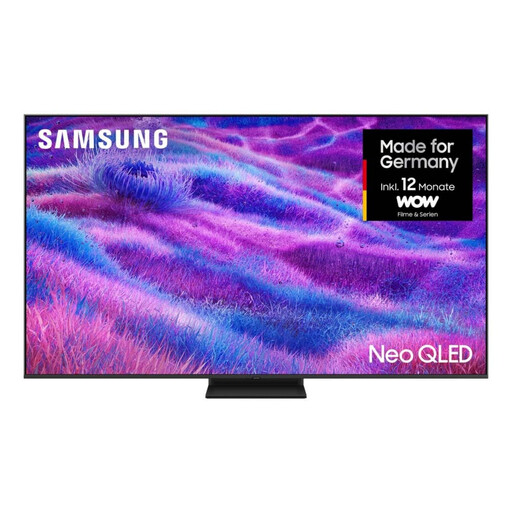 No image available
Could suit several seats, provided your room and viewing distance work with a 75-inch screen.
Mini LED, 4K and 120 Hz according to the product description.
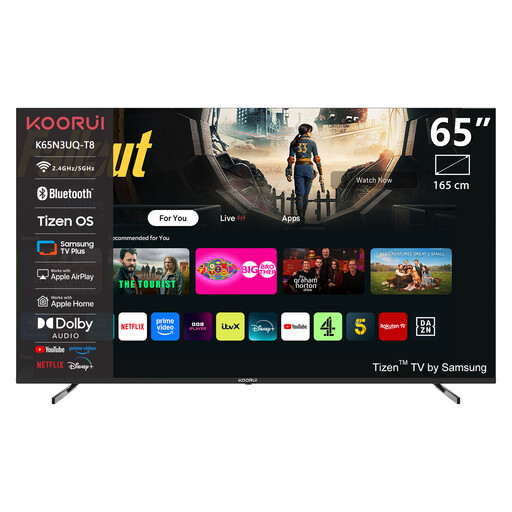 No image available
The 65-inch screen could work for several seats, provided the viewing distance and angles are suitable.
QLED, UHD 4K and Tizen OS according to the product name.
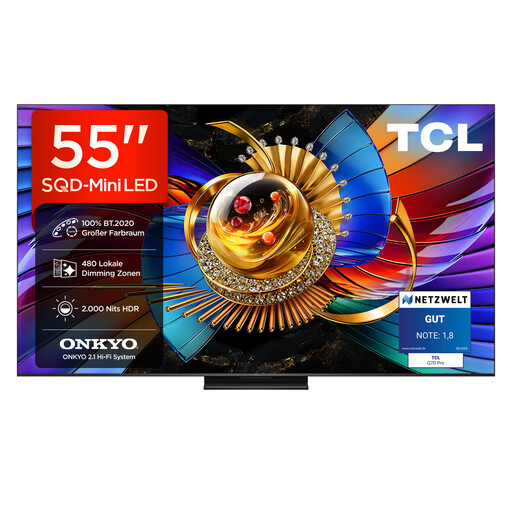 No image available
The 55-inch screen could be a good fit if your viewing distance and room don’t call for a larger display.
4K, SQD Mini LED, Anti-Reflection and 144 Hz according to the product name. This product claim isn’t an independent reflection test.
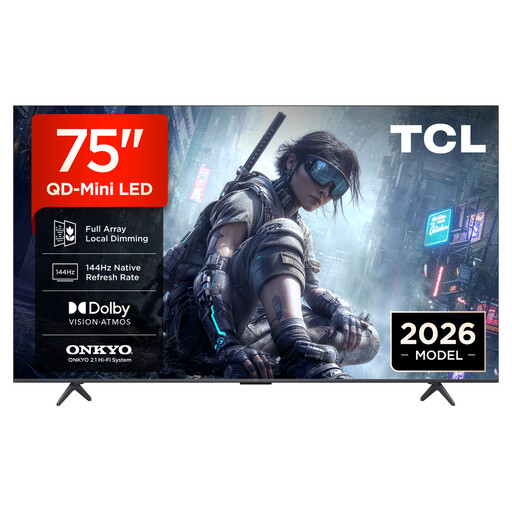 No image available
Could suit several seats or viewers sitting further away, provided your room can accommodate a 75-inch screen.
QLED, QD Mini LED, 4K and 144 Hz VRR according to the product name.
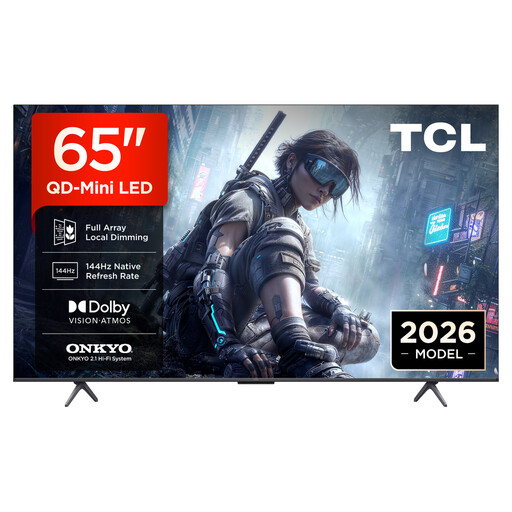 No image available
The 65-inch screen could work for several seats if the viewing distance and location are right for it.
QLED, QD Mini LED, 4K and 144 Hz VRR according to the product name.
Not on their own. A higher native refresh rate can make fast movement look smoother, but an advertised peak gaming figure doesn’t describe the frame rate of the TV broadcast. The German consumer advice centre considers 100 Hz sufficient for good picture quality.
If you use DVB-T2 HD, connect a compatible aerial and run a channel scan when setting it up for the first time. The official DVB-T2 HD information portal recommends checking your aerial setup and any required updates if you have reception problems. Cable, satellite and IPTV have different requirements.
No. Public-service DVB-T2 HD channels can be watched on compatible devices without ongoing additional charges for this reception method. Most private HD channels, however, are encrypted and require a paid package (DVB-T2 HD – official information portal). Check which provider is showing the specific football final you want to watch.
In Germany, the retailer is generally responsible under statutory consumer rights for faults that were present when the TV was handed over. For purchases made from 31 July 2026, the German consumer advice centre describes a one-off 12-month extension if you choose a repair rather than a replacement when a fault occurs. A voluntary manufacturer’s guarantee is separate, so check the terms for your specific purchase.
Compare the labels of specific models rather than choosing based on screen size alone. The label includes energy-efficiency information for SDR and HDR (European Commission). Consider these figures separately from whether the screen size, reflection handling and reception suit your football night.