What to look for when buying
For a football final in daylight, first check for window reflections and screen visibility. Then weigh up motion handling and seating positions, and finally consider reception and running costs.
Mini-LED LCD
Best for: If you’re looking for a TV for a bright living room, compare its brightness and reflection handling using independent tests. Sony lists X-Anti Reflection and X-Wide Angle for the BRAVIA 9; these are manufacturer claims for this model.
What to weigh up: Mini-LED alone doesn’t guarantee low window reflections or a consistent viewing angle, so check the features of the specific TV.
OLED suited to bright rooms
Best for: If OLED matters to you and guests will also be sitting to the side, consider only models with suitable test results for reflection handling, brightness and viewing angles. BILD’s buying guide describes the Samsung GQ65S95HFT as having low reflectivity and good visibility from the side.
What to weigh up: A test result for one OLED model can’t be applied to every OLED TV. Check the placement and energy consumption of the TV you choose, too.
| Buying priority |
What to look for |
Who it matters most to |
| Window reflections and daylight |
Check where the windows are in relation to the screen, and look for independent tests of direct reflections and the brightness of the specific model. |
If windows are reflected in the screen, I still want to see the action clearly. Around 31% of consumers rate low reflectivity as their top buying priority. |
| Fast-paced action |
Compare independent tests of motion handling and take the actual incoming signal into account. |
If I want to follow the ball and camera pans clearly, test results for picture performance matter more to me than a single marketing claim. Around 25% of consumers prioritise motion handling. |
| Picture quality for several seats |
Measure the viewing distance and available space, and check the viewing angle of the specific model. |
If guests are sitting to the side, I want to choose a size and viewing angle that work for the seating arrangement in my room. For around 19% of consumers, seating and the right screen size are the main considerations. |
| Purchase and electricity costs |
Compare the energy label ratings of TVs with similar screen sizes for SDR and, where applicable, HDR. |
If the purchase price and ongoing electricity costs are factors in my decision, I compare the energy data for TVs of a similar size. Around 13% of consumers put purchase and electricity costs first. |
| Receiving the final you want to watch |
Check how it’s broadcast and how you’ll receive it, and make sure the tuner, app or external device is suitable and that any required access can be arranged. |
If I want to watch this particular final, the channel or service needs to be available through my method of reception. Around 12% of consumers prioritise being able to watch the match they want. |
Joybuy products
Joybuy models for watching football, available in different screen sizes and including Mini-LED and QLED TVs.
 No image available
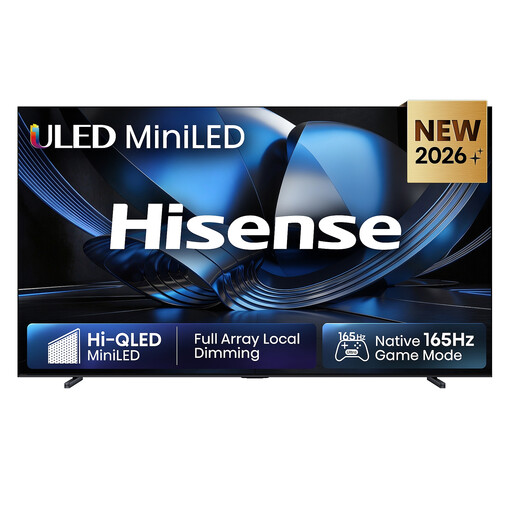
Hisense 100U7DSE, 100-inch ULED Mini LED 4K Smart TV
A 100-inch screen could work well for a large group watching together. Before choosing, check that the screen size and viewing distance suit your room.
The product specifications list 165 Hz. This is a specification, not an independent test of motion handling.
Power consumption is listed as 190 W in SDR and 350 W in HDR, with energy efficiency classes F for SDR and G for HDR.
View at Joybuy
 No image available
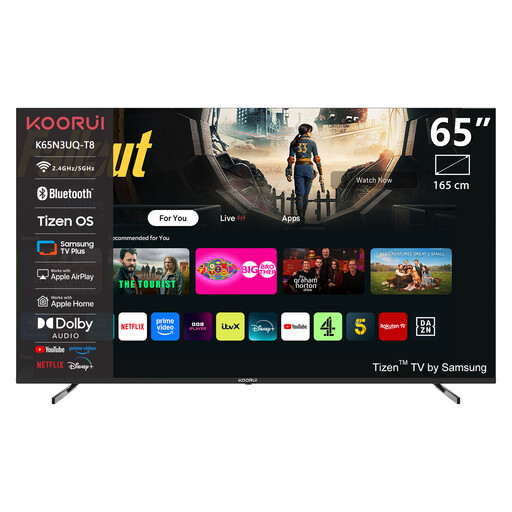
KOORUI K65N3UQ-T8, 65-inch 4K UHD QLED Smart TV
The 65-inch screen could suit a football final if you have the right viewing distance. Measure the space available and the distance from your seating area.
This model is described as a 4K QLED Smart TV with Tizen OS. The product description lists a triple tuner for DVB-T/T2/C/S/S2.
View at Joybuy
 No image available
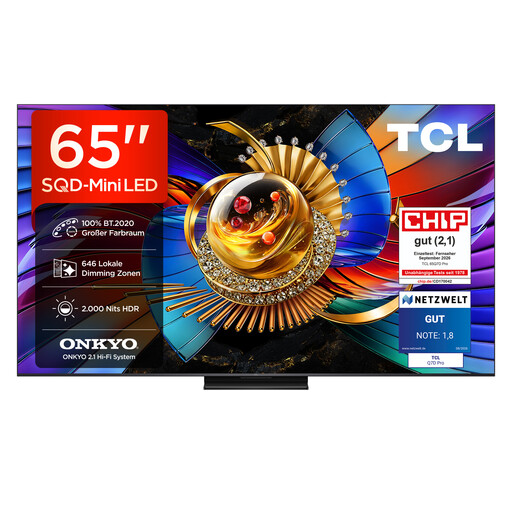
TCL 65Q7D PRO, 65-inch 4K SQD Mini LED TV
The 65-inch version is an option if the screen size suits your viewing distance and available space. Check how the specific model handles reflections in the position you plan to use it.
The product specifications list Anti-Reflection, 2,000 nits HDR, 144 Hz and 646 Local Dimming Zones. These figures aren’t a substitute for an independent test of window reflections or motion handling.
View at Joybuy
 No image available
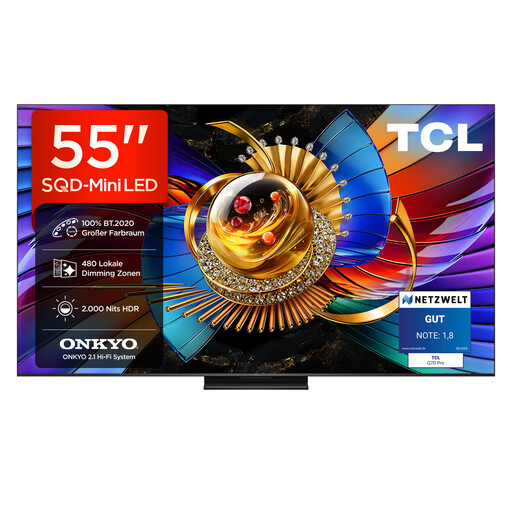
TCL 55Q7D PRO, 55-inch 4K SQD Mini LED TV
The 55-inch version is worth considering if this screen size suits your viewing distance and the space available.
The product specifications list Anti-Reflection, 2,000 nits HDR, 144 Hz and 480 Local Dimming Zones. Advertised specifications alone don’t show how the TV handles window reflections or fast-paced action.
View at Joybuy
 No image available
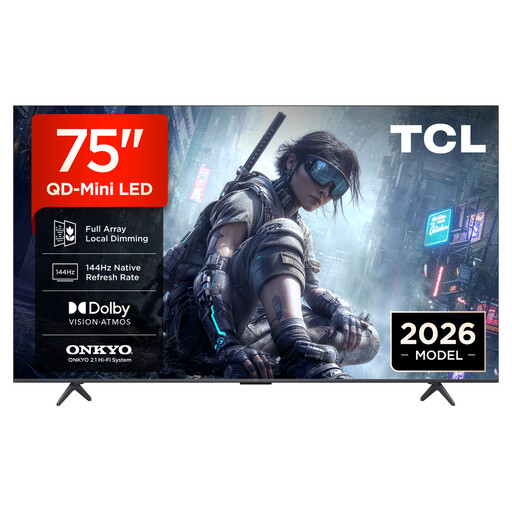
TCL 75T8D, 75-inch QLED Mini LED 4K Smart TV
The 75-inch screen is only suitable if it works with your viewing distance and room layout. Measure the space where you plan to put it before choosing.
The product specifications list 144 Hz VRR. The refresh-rate figure alone isn’t an independent test of how a football broadcast will look.
View at Joybuy
Frequently asked questions
Will a matte screen prevent reflections from tall windows?
Not necessarily. Coatings can reflect or diffuse direct light in different ways, and no screen can eliminate every reflection. Check the position of your windows and look for tests of direct reflections and the brightness of the specific model.
Do I need a 144 Hz TV for football?
No. A manufacturer’s 144 Hz claim alone doesn’t prove that the match will look clear. Look for tests of the specific TV’s motion handling and take the quality of the incoming programme into account.
How should I plan the screen size and placement before delivery?
Measure your usual viewing distance and the space available for the TV. Position the screen to avoid direct reflections from tall windows as far as possible, and check visibility from seats to the side.
Can I watch the final via aerial without any extra costs?
That depends on the specific match and how it’s broadcast. Suitable DVB-T2 HD devices can receive public-service channels via terrestrial broadcast without ongoing extra charges; many private HD channels require activation and a fee. Before buying, check the channel, local reception and device compatibility.
Which energy figures should I compare when choosing a TV?
For displays covered by EU labelling rules, the energy label includes information such as the stated consumption for SDR and HDR. Compare TVs of a similar size. The label doesn’t tell you how good the picture will look in daylight.


