Documentaries in daylight
You watch during the day beside tall windows and want to take reflections into account. RTINGS includes direct and indirect reflections in its reflection tests.


If you regularly watch TV beside tall windows, a Mini LED LCD is a sensible place to start, provided tests of the specific model assess reflections and picture visibility in similar lighting conditions. RTINGS often finds Mini LED models better suited to bright rooms. OLED may be a good choice if you tend to watch in the evenings and place greater importance on dark areas of the picture. Then check that the screen size and access to your streaming services suit your seating position and device.
You watch during the day beside tall windows and want to take reflections into account. RTINGS includes direct and indirect reflections in its reflection tests.
You want bright nature footage to look clear in daylight and dark areas of the picture to remain visible in the evening. The Verbraucherzentrale recommends considering the lighting conditions where the TV will be installed when choosing a set.
You watch from several seats or from further away. The Verbraucherzentrale identifies viewing distance, lighting conditions and viewing angles as factors to consider when choosing a screen size.
A good fit if: You often watch in bright daylight and have windows in your field of view or opposite the screen.
The trade-off: Mini LED alone doesn’t tell you how reflective a particular model is. The manufacturer’s claims about anti-reflection treatment are no substitute for an independent test.
A good fit if: You often watch in the evening or can control the daylight, and place greater importance on dark scenes.
The trade-off: Check reflections and brightness on the specific model. If images remain on screen for long periods, OLED’s specific risk of screen burn-in should also factor into your decision.
A good fit if: You can reduce window light by changing the TV’s position or using curtains, and a test of the model you choose suits your seating position.
The trade-off: Without relevant tests of the specific model, it’s hard to know how clearly you’ll see bright and dark picture details in your lighting conditions.
| Consideration | What to check when buying | Who it matters most to |
|---|---|---|
| Reflections from windows | Check direct and indirect reflections, as well as brightness, in tests of the specific model. RTINGS takes both types of reflection into account. | If I watch during the day beside tall windows, I want to judge reflections from my actual seating position. Around 36 % of consumers rank window light as their main concern. |
| Detail and contrast | Compare tests of bright and dark scenes, and consider whether you watch more often during the day or in the evening. RTINGS often recommends Mini LED models for bright rooms. | I want to make out both bright nature footage and dark scenes, rather than base my choice on just one viewing time. Picture detail and contrast are the main priorities for around 29 % of consumers. |
| Screen size and seating | Measure your viewing distance and available space, and check how the picture looks from seats to the side. The Verbraucherzentrale identifies resolution, lighting and viewing angle as relevant factors. | If several people watch from different distances, I want to compare the screen size and viewing angles with the actual seating positions. Around 21 % of consumers give seating position and screen size their highest priority. |
| Streaming services | Check which access options your specific device supports. According to ARD, the options available depend on the device you use. | I want to start watching documentaries without unnecessary extra steps, so I check the apps or alternative ways to access them on the TV. Around 14 % of consumers prioritise easy access to documentaries. |
Brightness and direct or indirect reflections are separate things to check. A bright picture on its own doesn’t tell you how distracting a window’s reflection will be on screen.
Look for reflection tests of the exact model and assess its intended position in daylight.
Mini LED LCD and OLED can suit different room brightness levels and viewing habits. The specific model also matters.
Consider daytime and evening viewing separately, and compare tests of specific models in similar lighting conditions.
The right size also depends on viewing distance, resolution, lighting and viewing angle. Whether your preferred streaming services are available directly depends on the TV and platform.
Compare the specifications for the exact screen size and check app availability or alternative streaming options before you buy.
For its German Neo QLED QN90F, Samsung lists a Mini LED backlight and “Glare Free” technology.
For its German 65U8Q, Hisense lists Mini-LED PRO and Anti-Reflection PRO.
Sony sells the BRAVIA 9 II as an RGB LED TV. RTINGS includes the series in its guide to TVs for bright rooms.
The German TCL 65Q8C is a QD Mini LED model worth considering when comparing specific tests for daylight viewing and contrast.
The OLED65G59LS from LG is an OLED alternative for watching documentaries in controlled lighting or in the evening.
This selection includes Mini LED LCD TVs and one OLED model. Compare the features listed with your window-side seating position, preferred viewing times and viewing distance.
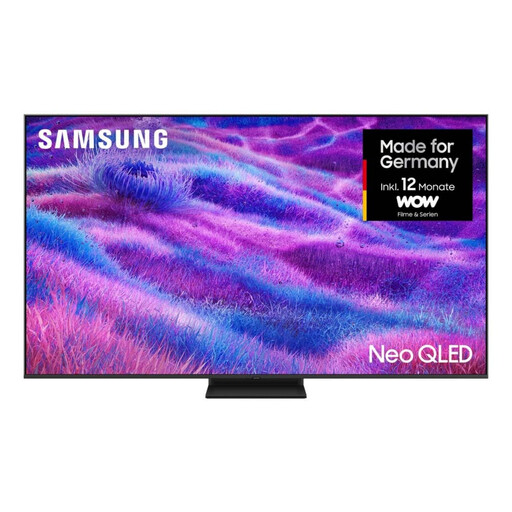 No image available
If you watch from further away, you can assess the 85-inch screen size against your viewing distance and available space.
The listing specifies 4K, 120 Hz, Mini LED HDR and Quantum Matrix Technology Core.
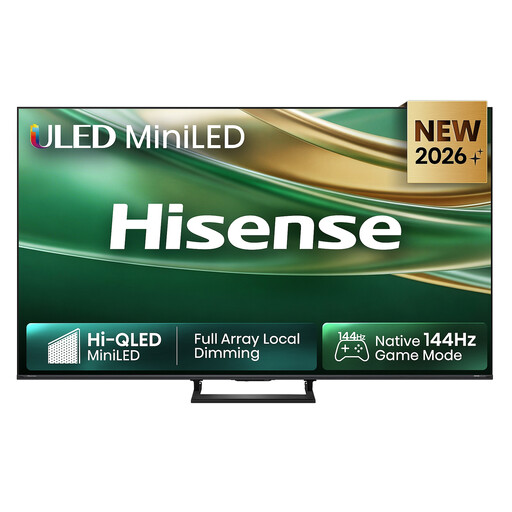 No image available
As an LCD model, you can compare this TV with the other LCD options and check reflections where you plan to position it.
The listing specifies 4K, Mini LED, local dimming, an ambient light sensor and 144 Hz. It advises avoiding direct sunlight.
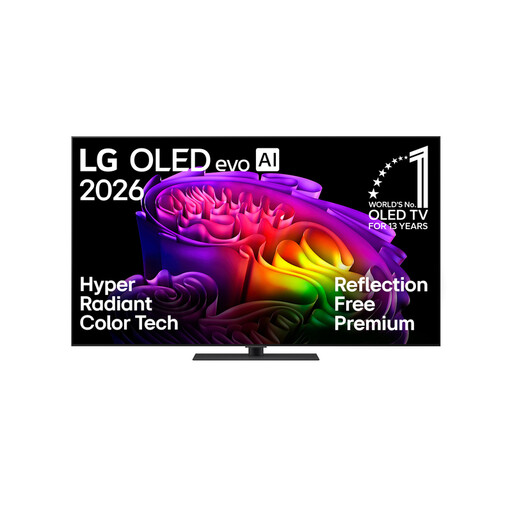 No image available
If you often watch in the evening, you can compare this OLED model with the LCD TVs and assess its reflections separately in your daylight viewing position.
The listing specifies 4K, Pixel Dimming and an anti-reflective display.
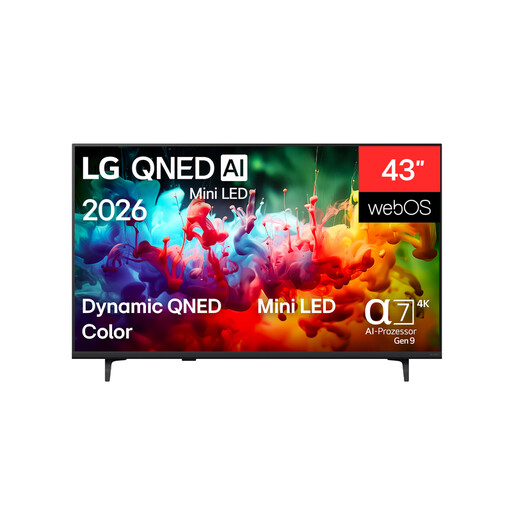 No image available
Compare the 43-inch screen size with your viewing distance and available space, rather than choosing based on window height alone.
The listing specifies 4K, Mini LED, HDR and webOS. It advises avoiding direct sunlight.
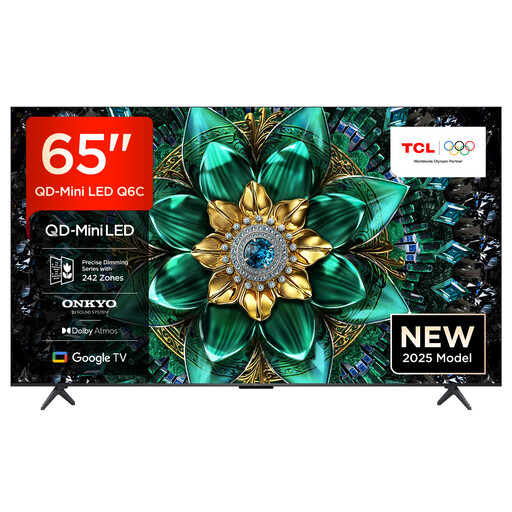 No image available
If you’re looking for an LCD model, check how the screen looks in daylight from your own seating position. The panel type alone doesn’t tell you how it handles reflections.
The listing specifies QD Mini LED, a matte HVA panel, 4K and Google TV.
No. Check reflections and brightness on the specific model in comparable lighting conditions. RTINGS includes direct and indirect reflections in its reflection tests.
Measure your viewing distance and consider resolution, lighting and viewing angle where you plan to install the TV. The Verbraucherzentrale lists these as factors when choosing a screen size; window height alone isn’t enough.
No. According to ARD, options include TV apps, HbbTV and external streaming platforms, depending on your device. Before you buy, check which access options your specific device supports.
For the LCD TVs covered by Sony’s guidance, the manufacturer recommends avoiding direct sunlight. Also follow the installation instructions for your specific model.
The EU energy label helps you compare the efficiency of a specific TV. The European Commission also lists information for HDR. Compare the details for the exact model number and screen size.