What should you look for when buying?
Large OLED TV
A good fit if: you often watch in the evening or with controlled room lighting, and a large OLED model fits in your available space.
Consider: at a very long viewing distance, a smaller screen may offer less viewing area than a 98- or 100-inch TV.
Large Mini LED or LCD TV
A good fit if: a large screen for long viewing distances or a frequently bright room is important to you.
Consider: check the space available, viewing angle and energy label for the specific model. According to the consumer advice centre, a larger screen generally means higher electricity consumption.
Smaller screen
A good fit if: your furniture, wall space or viewing preferences rule out a larger TV.
Consider: fine picture details may be harder to see from further away, so assess the picture from where you usually sit.
The consumer advice centre highlights resolution, room lighting and viewing angle as important factors. RTINGS describes size recommendations as a starting point, not a solution that suits everyone.
| Consideration |
What to check when buying |
Who is it important to? |
| Screen size and viewing distance |
Measure the distance from your main seat and the available width; if possible, assess the picture from that distance. |
If I want to make out landscape details from a sofa far from the screen, the viewing area needs to suit the distance and available space. Around 40% of consumers put screen size first. |
| Picture quality in different lighting and from different seats |
Take room lighting, potential reflections and seating positions into account; compare the specific TVs in the room where they’ll be used. |
If I watch nature films in daylight or from several seats, I want to assess how the picture looks in those situations. Around 30% of consumers prioritise room lighting and viewing angle. |
| Picture source, HDR and access |
Check that your existing subscriptions and connected devices are compatible with the picture formats supported by both the source and the TV. |
If I want to watch documentaries through particular services or devices, the picture source and TV need to work together. Around 20% of consumers pay particular attention to sources and ways of accessing content. |
| Energy consumption and installation |
Compare the energy label for the specific model; plan where it will stand and how you’ll get it there before ordering. |
If my TV is on frequently, I want to consider its energy consumption and installation requirements. Around 10% of consumers make these their main priorities. |
Joybuy products for longer viewing distances
This selection features large TVs for longer viewing distances, mainly Mini LED models, plus one OLED option.
 No image available
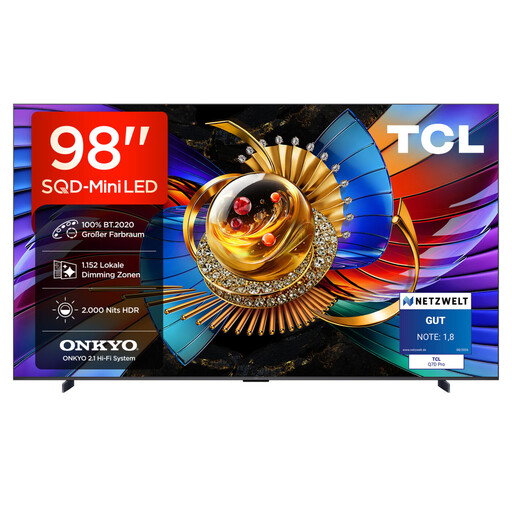
TCL 98Q7D PRO, 98 inches, 4K SQD-Mini LED
The large screen may suit you if you want a generous viewing area from a seat further away.
98 inches; 4K; SQD-Mini LED. The stated TV width is 2.180 mm, so make sure you have enough space.
Joybuy
 No image available
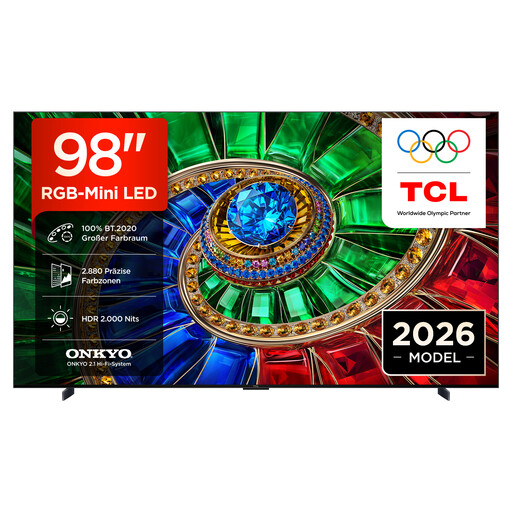
TCL 98RM7L RGB Mini LED, 98 inches, 4K Smart TV
This 98-inch model is an option if you’re looking for a large screen for a long viewing distance.
98 inches; 4K; RGB Mini LED; Google TV. The stated TV width is 2,18 m.
Joybuy
 No image available
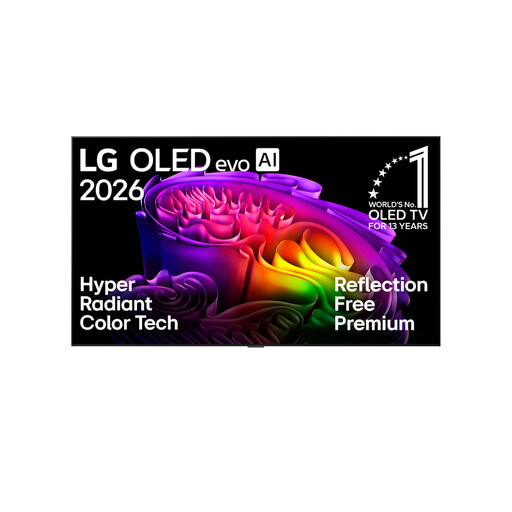
LG OLED83G67LW, 83 inches, 4K OLED evo
This large OLED option may suit you if you prefer OLED and the screen size works for your viewing distance and room.
83 inches; 4K; OLED evo; Dolby Vision. The stated TV width is 1.847 mm.
Joybuy
 No image available
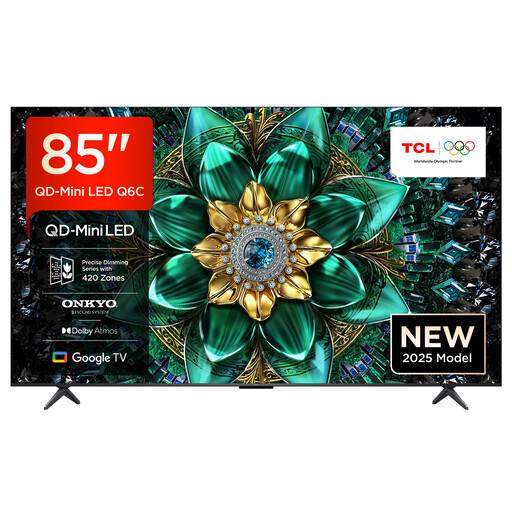
TCL 85Q6C QLED Mini LED, 85 inches, 4K
The 85-inch screen gives you plenty of viewing area if a 98-inch model won’t fit in your space.
85 inches; 4K; QLED Mini LED; Google TV. The stated width with stand is 189 cm.
Joybuy
 No image available
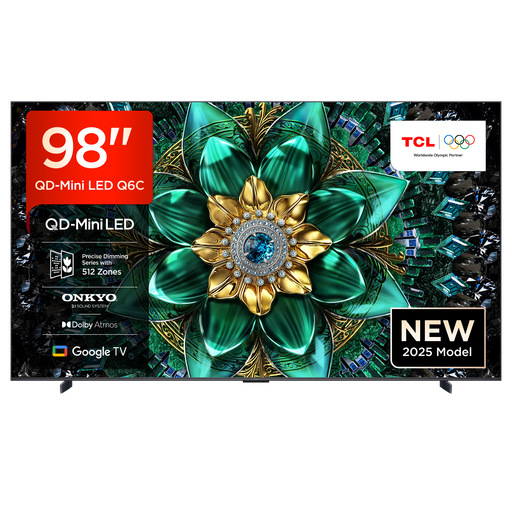
TCL 98Q6C QD-Mini LED, 98 inches, 4K
This model is an option if a 98-inch screen suits your viewing distance and room.
98 inches; 4K; QD-Mini LED; Google TV. The stated width with stand is 217,9 cm.
Joybuy
Frequently asked questions
What screen size should I choose if I sit a long way from the TV?
There’s no one screen size you have to choose just because you sit a long way from the TV. Measure the viewing distance and available space, and take the picture source, room lighting and viewing angle into account. Screen-size recommendations are a starting point, not a guarantee that a size will suit your personal viewing preferences. RTINGS also notes that its sizing approach won’t suit everyone.
What should I check before installing a large TV?
Before ordering, check the available space and the route the TV will need to take to reach it. Also check whether you’ll need an installation service, then assess the picture from where you usually sit. You’ll need a suitable internet connection for internet-based smart TV features.
What does the EU energy label tell me about running costs?
The EU energy label lets you compare specific models and also includes information about how they perform with HDR content, as the European Commission explains. Actual costs also depend on how you use the TV and your electricity tariff; the display technology alone isn’t enough to calculate a reliable figure.
What are my rights when buying a TV online in Germany?
For a typical online purchase of goods in Germany, you generally have 14 days from receiving the item to cancel the order, although exceptions and details apply. If a new TV is faulty, you may generally have statutory rights against the seller for up to two years from delivery. The consumer advice centre distinguishes these statutory rights from a voluntary manufacturer’s guarantee.
Are there EU rules on energy labels and ecodesign for TVs?
Yes. According to the European Commission, TVs are covered by EU energy labelling and ecodesign rules. When deciding what to buy, compare the information for the specific model; there isn’t one efficiency class that all buyers have to choose.


