Daytime viewers
If you watch during the day, first check how clearly windows and lamps are reflected on the screen. Then weigh up the other picture features.


Start by choosing a TV based on how much light from windows and lamps is reflected on the screen. In a bright living room, anti-reflection performance matters just as much as brightness. For period dramas, then check dark scenes and skin tones from your usual viewing position; Mini LED LCD and OLED each involve different trade-offs. HIFI.DE praised the anti-reflection performance of the 65-inch Samsung QN90F it tested, but also noted that very dark details were lost and Dolby Vision was not supported.
If you watch during the day, first check how clearly windows and lamps are reflected on the screen. Then weigh up the other picture features.
If you want to make out faces and costume details in dimly lit scenes, assess shadow detail and contrast alongside how well the TV performs in daylight.
With several seats to consider, viewing distance and how the picture looks from the sides matter as well as screen size.
Start by checking the lighting where you plan to put the TV, then look at how it handles dark scenes, followed by size, seating and the overall cost.
| What matters | What to look for when buying | Who this matters most to |
|---|---|---|
| Reflections and daylight | Assess anti-reflection performance and brightness separately, and take the position of windows and lamps into account. | If I watch during the day with windows or lamps in my field of view, I want to limit reflections rather than rely on high brightness alone. Around 36 % of consumers put reflection control first. |
| Shadow detail and contrast | Compare dark film scenes in your usual room lighting and look for details lost in black areas. | In the dark interiors of period dramas, I want to be able to make out faces and costume details. Around 29 % of consumers prioritise shadow detail and contrast. |
| Size and seating | Measure your viewing distance and available space, and check the viewing angle of the specific model. | If several people will be watching, including from the sides, the picture should suit the viewing distance and the available seating. Around 21 % of consumers prioritise size and seating position. |
| Purchase and running costs | Compare the EU energy label and energy consumption of the specific model, and check whether delivery or installation services are available. | If I need to budget for electricity and set-up as well as the purchase, I want to factor in ongoing and additional costs. Around 14 % of consumers prioritise the overall cost. |
A bright picture will not automatically eliminate reflections from windows or lamps. Reflections can be particularly noticeable in dark scenes.
Compare anti-reflection performance and brightness separately, and take the position of your windows into account.
The specific screen finish and picture performance matter. The Samsung QN90F tested was praised for its anti-reflection performance, but lost some very dark details. The independently tested LG G5 had a glossy screen; the test was of the 77-inch version.
Check reflections and shadow detail on the specific model, and don't assume test results apply to other screen sizes.
As well as the purchase price, you may need to factor in energy consumption and, where applicable, delivery, connection or installation.
Compare the EU energy label for the specific model and check in advance which set-up services you will need.
The German GQ65QN90FATXZG is a Mini LED LCD with a Glare-Free screen finish, as specified by Samsung.
According to Sony Germany, the K-65XR90 combines Mini LED, Local Dimming, X-Anti Reflection and Dolby Vision.
The OLED65G59LS is an OLED option for buyers who want to consider contrast and Dolby Vision.
The 75Q7C is a large-screen QD-Mini LED option.
The 65OLED950/12 combines OLED with four-sided Ambilight.
This selection includes Mini LED LCD and OLED TVs in a range of sizes, so you can compare their performance in daylight and dark scenes, as well as the viewing distance they suit.
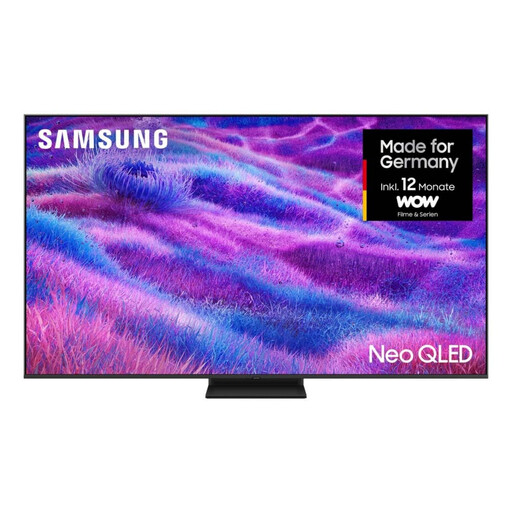 No image available
With a 75-inch screen, viewing distance and available space are important factors to consider.
Listed as a Mini LED TV with 4K and Quantum Matrix Technology Core.
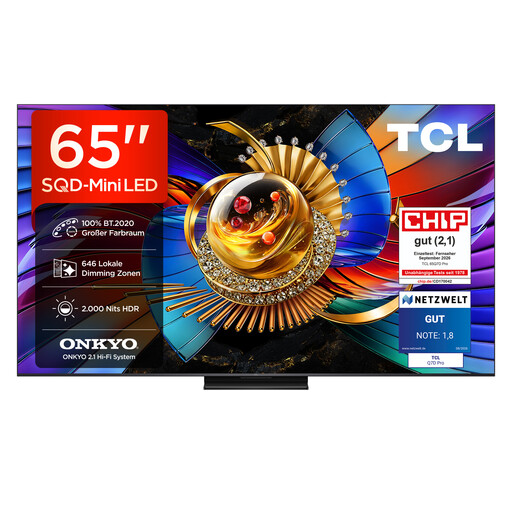 No image available
Anti-Reflection and Local Dimming are listed as features to consider when comparing TVs for a bright living room. Check the reflection performance of the specific model for yourself.
65 inches, 4K SQD-Mini LED, 646 Local Dimming zones, 2,000 nits HDR and Dolby Vision IQ.
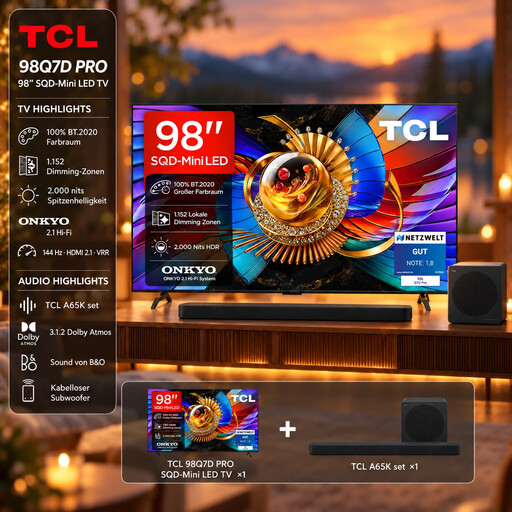 No image available
With a 98-inch screen, make sure the screen size, viewing distance and available space work well together.
4K SQD-Mini LED, 1,152 Local Dimming zones, 2,000 nits HDR and Dolby Vision IQ; listed as a set with the A65K Soundbar.
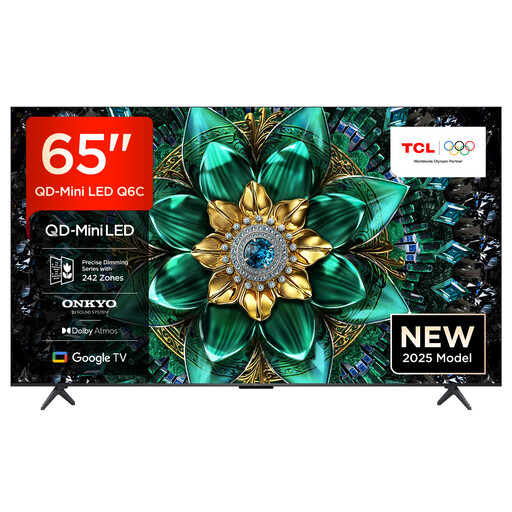 No image available
You can assess the 65-inch screen size in relation to your viewing distance and the space available.
4K, Mini LED, Dolby Vision IQ, Dolby Atmos and 144 Hz are listed in the product description.
 No image available
If you are comparing OLED with LCD models, check for reflections where you plan to put the TV. They can be particularly noticeable in dark scenes.
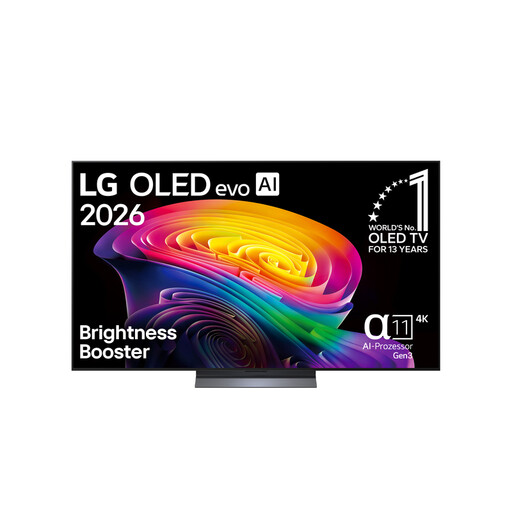
65 inches, 4K, OLED evo, 120 Hz, Dolby Vision and Dolby Atmos.
Watch both a dark interior scene and a bright scene in your usual room lighting. RTINGS.com notes that reflections can be particularly noticeable in dark scenes, so compare anti-reflection performance and brightness separately.
Measure your usual viewing distance and the space available. For wall mounting, check the dimensions, weight and VESA specifications of the exact model you have chosen. Sony, for example, publishes this information for the K-65XR90.
Compare the energy consumption and EU energy label of the specific TV, and check for any delivery, connection or installation costs before ordering. An optional warranty is not the same as your statutory rights against the seller.
Yes. The European Union's energy labelling rules cover electronic displays, including TVs. The label helps you compare specific models, but it does not require buyers to choose a particular efficiency class.
In Germany, consumers generally have a 14-day right to cancel an online purchase, starting from the day they receive the goods. The consumer advice centre notes that you must notify the other party to the contract that you are cancelling; simply returning the item is not enough.