What should you look for when buying?
Start with your actual viewing angle, then check for reflections under your room’s usual lighting. Also consider reception, dialogue clarity and the right screen size.
| Priority |
What to check when buying |
Who it matters most to |
| Picture from the side |
Check colours, brightness and black levels from your usual viewing angle; with an LCD, assess the specific panel. |
If I watch TV at an angle from the sofa or dining table, I want colours and brightness to remain as consistent as possible. Around 33% of consumers prioritise viewing angle. |
| Daylight and reflections |
Check reflections and picture quality under your room’s lighting; the finish description alone isn’t enough. |
Daytime viewers want to see the picture clearly, even with windows or lamps in the room. Around 27% of consumers focus mainly on daylight and reflections. |
| Reception and clear sound |
Check whether you’ll use cable, satellite, an aerial or streaming, along with the connections you need and how clear dialogue sounds. |
If I want to find my cookery shows easily and understand the dialogue, the reception options need to suit my household. Around 20% of consumers prioritise reception and clarity. |
| Size and energy consumption |
Measure your viewing distance and available space; compare the EU energy label for the exact model variant. |
If you’re choosing a TV to fit the space you have and want to consider its electricity use, you’ll need the right dimensions and product information. Around 20% of consumers pay particular attention to size and energy consumption. |
Joybuy TVs for side-on viewing
This selection features LG OLED TVs in a range of sizes. OLED is a good place to start if you often sit to one side, but you should check how the specific model looks from your usual seat.
 No image available
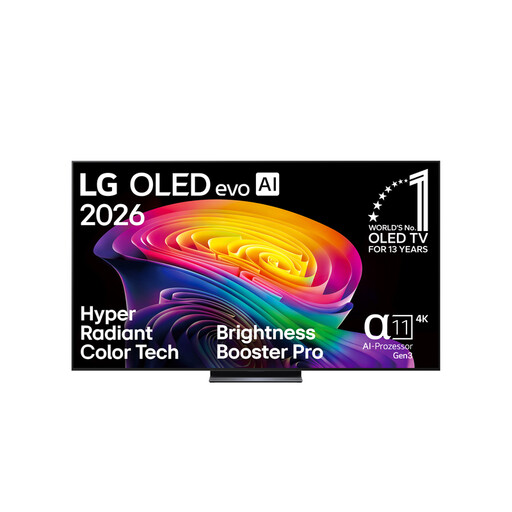
LG OLED83C67LA, 83-inch, OLED evo, 4K Smart TV
As an OLED model, it’s a good fit for a set-up where you often watch from the side; still, check picture consistency from your own seat.
83-inch, OLED evo, 4K and Smart TV.
If static picture elements are displayed repeatedly for very long periods, bear in mind the risk of permanent image retention associated with OLED.
View at Joybuy
 No image available
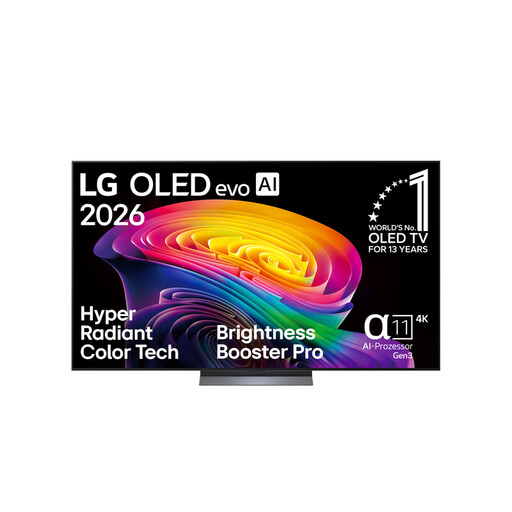
LG OLED77C67LA, 77-inch, OLED, 4K Smart TV
As an OLED model, it’s a good starting point for side-on viewing; compare the picture quality from your usual angle.
77-inch, 4K, 120 Hz, webOS and energy class D.
If static picture elements are displayed repeatedly for very long periods, bear in mind the risk of permanent image retention associated with OLED.
View at Joybuy
 No image available
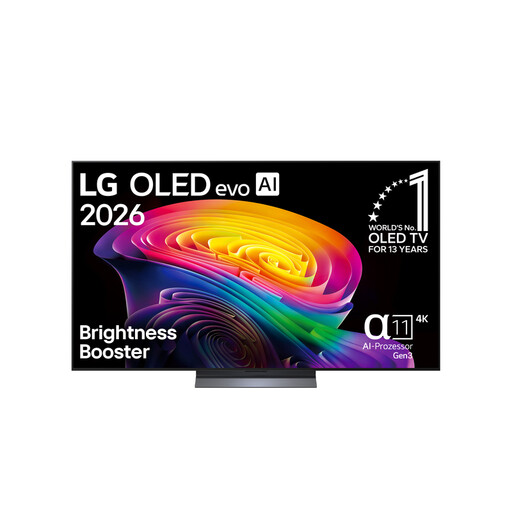
LG OLED65C67LA, 65-inch, OLED evo, 4K TV
OLED is one option for households with several viewing positions; check how the specific TV looks from the side before choosing.
65-inch, 4K, 120 Hz, Dolby Vision and Dolby Atmos.
If static picture elements are displayed repeatedly for very long periods, bear in mind the risk of permanent image retention associated with OLED.
View at Joybuy
 No image available
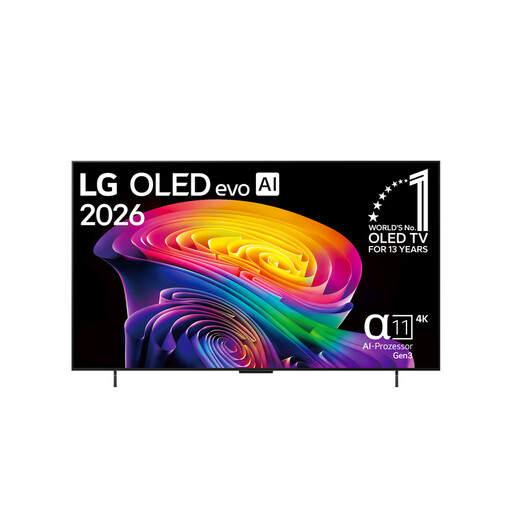
LG OLED42C67LA, 42-inch, OLED evo AI C6, 4K Smart TV
This smaller OLED model may suit a more limited space; check the viewing angle on the actual TV to make sure it works for you.
42-inch, 4K, 165 Hz VRR, Dolby Vision, Dolby Atmos, G-SYNC and webOS 26.
If static picture elements are displayed repeatedly for very long periods, bear in mind the risk of permanent image retention associated with OLED.
View at Joybuy
 No image available
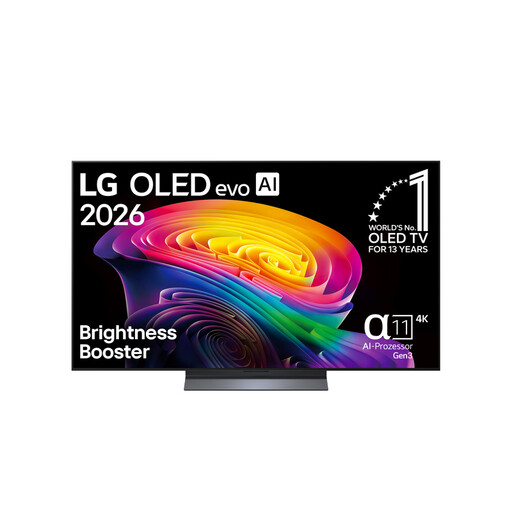
LG OLED55C67LA, 55-inch, OLED evo C6, 4K Smart TV
OLED is a good place to start if you sit to one side; compare the picture quality with your usual viewing angle.
55-inch, 4K, 165 Hz, Dolby Vision, Dolby Atmos and webOS 26.
If static picture elements are displayed repeatedly for very long periods, bear in mind the risk of permanent image retention associated with OLED.
View at Joybuy
Frequently asked questions
Is a ‘wide viewing angle’ claim enough for my seat?
No. What matters is how the specific TV looks from your usual viewing angle. Check when colours, brightness or black levels start to look different; independent viewing-angle tests assess these features separately.
What should I consider when using a swivel wall mount?
Angling the TV towards your usual viewing position can reduce the amount you’re watching from the side. Check which mount suits the specific TV and your wall; LG recommends professional installation for its OLED wall mounting because of the installation requirements.
Do I need an internet connection for Smart TV features?
You’ll need an internet connection for online features such as HbbTV. Also check whether you can watch the cookery shows you want via cable, satellite, an aerial or streaming.
Does a new TV in Germany have to carry an EU energy label?
The Verbraucherzentrale notes that new TVs must carry an EU energy label. The European Commission lists electronic displays among the products covered by energy-labelling and ecodesign requirements; compare the label for the exact model variant.
Is a cable TV connection in a rented home automatically covered by service charges?
No. According to the Bundesnetzagentur, since 1 July 2024, monthly fees for a TV or broadband connection agreed in a tenancy agreement can no longer be charged through service charges in this way. If you want to use cable TV, check whether you need an individual contract.


