What to consider when buying
Start by choosing a size that suits your viewing distance and available space. Then check reception, picture quality where you plan to put the TV, sound and ongoing costs.
| Consideration |
What to check when buying |
Who it matters most to |
| Screen size and space |
Viewing distance, TV width and stand depth; how clearly you can see details and text from your seat. |
If I sit close to the TV and only have a narrow unit or limited wall space, the screen needs to suit the room. Around 31% of consumers put screen size and space first. |
| Channel reception |
Reception method and channels you want; for aerial reception, check DVB-T2 HD compatibility with HEVC/H.265, as outlined by the DVB-T2 HD information portal. |
If I want to watch gardening programmes via an aerial, I want to check reception at home and the equipment I’ll need first. Around 25% of consumers prioritise access to the channels they want. |
| Picture detail in daylight |
Window position and potential reflections; reviews of the specific model’s brightness and contrast. |
If my TV is in a bright room, I want to see plants and on-screen information clearly. For around 19% of consumers, picture visibility in the intended location is a key consideration. |
| Speech and sound |
Reviews of the specific model’s sound from your usual seat; connections for headphones or speakers you already own. |
If I want to understand explanations in gardening programmes, I’ll check the sound and the audio connections I need. Around 13% of consumers put speech clarity first. |
| Ongoing costs |
Compare energy-label figures in kWh/1.000 h, the unit specified by the European Commission; check any costs associated with your chosen reception method. |
If I want to keep an eye on electricity use and potential reception costs, I’ll compare the figures for the specific TVs and services I’m considering. Around 12% of consumers prioritise ongoing costs. |
Joybuy TVs for smaller spaces
The Joybuy TVs below are 32-inch models designed to fit into smaller spaces. Before choosing one, measure the available space and check that its stated reception options and connections meet your needs.
 No image available
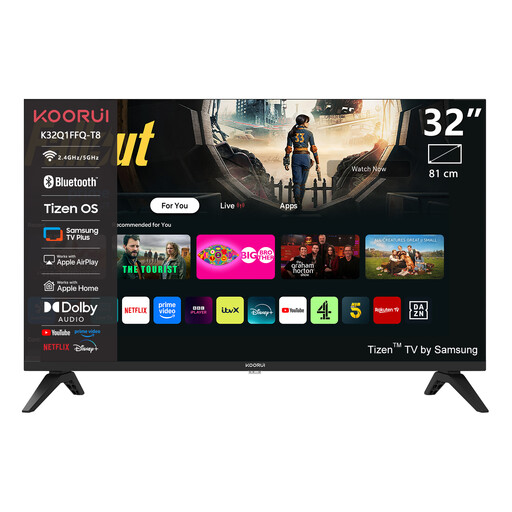
KOORUI K32Q1FFQ-T8 32-inch Full HD QLED smart TV with Tizen OS
A 32-inch screen is a space-saving option, but remember to check the TV’s overall dimensions.
Full HD, QLED, Tizen OS and integrated triple tuner, according to the product description.
View at Joybuy
 No image available
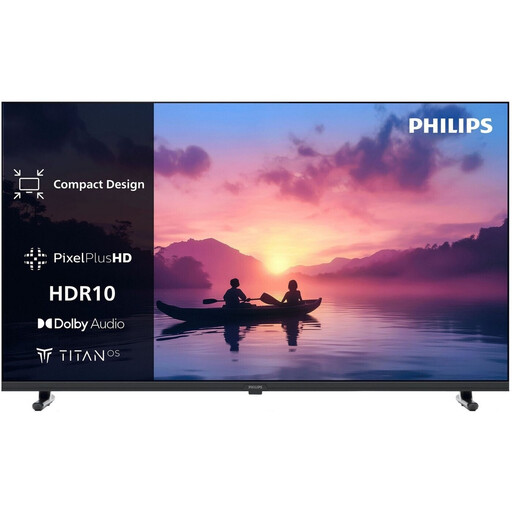
Philips 32-inch Full HD LED TV
A 32-inch screen could work if you sit close and have limited space; remember to measure the stand too.
Full HD with 1.920 × 1.080 pixels, TITAN OS, 50 Hz, 3 HDMI and 2 USB connections, plus an integrated triple tuner for DVB-T2/C/S2, according to the product description.
View at Joybuy
 No image available
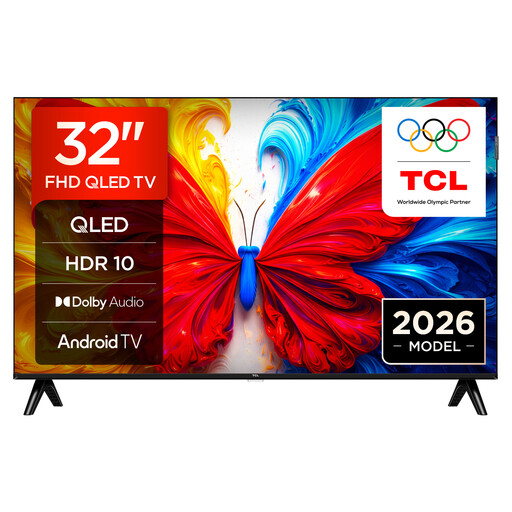
32S5L 32-inch QLED TV with Full HD and Android TV
A 32-inch screen could suit a smaller space; compare the TV’s actual dimensions with your furniture.
QLED, Full HD, Android TV and 60 Hz, according to the product name; the description also mentions an integrated triple receiver.
View at Joybuy
 No image available
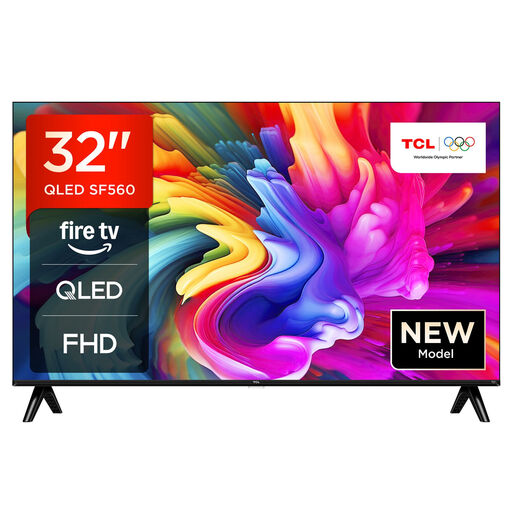
TCL 32SF560 32-inch Full HD QLED smart TV with Fire TV and HDR
A 32-inch screen is worth considering if you’re short on space; check the TV’s overall dimensions before buying.
Full HD, QLED, Fire TV and HDR; the product name states energy efficiency class F.
View at Joybuy
 No image available
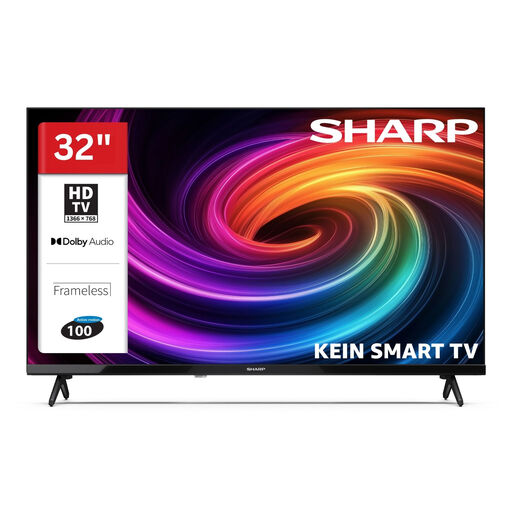
SHARP 32HA1705E 32-inch LED TV with HD resolution and triple tuner
This 32-inch TV is designed for smaller spaces; check that it fits in the intended spot with its stand attached.
HD resolution, triple tuner for DVB-C, DVB-T2 and DVB-S2, 3 HDMI connections and Dolby Digital Plus, according to the product details.
View at Joybuy
Frequently asked questions
Do I need a 4K TV to watch gardening programmes?
No. Start by choosing a screen size that suits your viewing distance and available space. You can find Full HD TVs in 32 inches too; whether 4K makes a difference for you depends on factors such as the content source and viewing conditions.
What do I need to watch programmes via an aerial?
For German terrestrial TV, you need a DVB-T2 HD-compatible TV or an external receiver with HEVC/H.265. Check reception at your location too and, if you want to watch commercial channels, whether you’ll need to decrypt them.
How do I compare TVs’ electricity use?
Compare the energy-label figures for the specific models in kWh/1.000 h, the unit specified by the European Commission. To estimate your own costs, you’ll also need to know how many hours you use the TV and your electricity tariff; the efficiency class alone doesn’t tell you how much it will cost.
What are my rights when buying online or if a product is faulty?
When you buy online in Germany, you generally have a 14-day right to cancel. The Verbraucherzentrale notes that you must notify the retailer if you want to cancel. For faults, the retailer is generally responsible under statutory warranty rules. This is separate from any voluntary manufacturer’s guarantee.
Do I need to register a TV separately, and do I have to pay a broadcasting fee?
The broadcasting fee generally applies per home, not per TV purchase or number of TVs. The ARD, ZDF and Deutschlandradio contribution service explains that different rules may apply depending on your living arrangements and circumstances.


