Viewers with limited space
You want to see documentaries clearly, without the TV dominating your furniture or viewing position. Measure your viewing distance and the space available before choosing a screen size.


Start by measuring your viewing distance and available space. The Verbraucherzentrale (German Consumer Advice Centre) gives 1.60 to 2.10 m as a guide for a 42-inch HDTV, not as a fixed rule for every small living room. If you enjoy watching films in a dark room, a suitable OLED could be worth considering. In daylight, compare the picture quality of the specific LCD model. Also check how clear the dialogue sounds, whether the TV supports the apps or reception methods you need, and how much power it uses.
You want to see documentaries clearly, without the TV dominating your furniture or viewing position. Measure your viewing distance and the space available before choosing a screen size.
You pay particular attention to contrast, detail and the way bright or dark scenes look. Compare specific models in lighting conditions similar to those in your living room.
Clear explanations and access to your apps or TV channels matter more to you than extra gaming features.
| Buying priority | What to check | Who is it most important to? |
|---|---|---|
| Size and placement | Measure your viewing distance and available space, including the stand or wall area. | If I’m sitting in a small living room, the TV needs to suit both the viewing distance and the furniture without dominating the space. Around 29% of consumers put size and available space first. |
| Picture detail, contrast and room lighting | Compare specific models in similar ambient lighting. Display technology labels alone don’t tell you how bright or contrast-rich the picture will look. | If details in nature footage and dark scenes matter to me, I want to assess the picture quality in lighting conditions that suit my room. Around 23% of consumers prioritise picture quality. |
| Clear spoken explanations | Listen to the built-in speakers with dialogue-heavy content and, if you have an audio system, check that the TV has the connections you need. | If I watch documentaries without extra speakers, I want the dialogue to be easy to understand. Around 18% of consumers put clear dialogue first. |
| Access to documentaries and ease of use | Check support for the apps you actually use, internet access and the right tuner for aerial, cable or satellite TV. | If I use specific streaming services or my existing TV reception, I want to access them without unnecessary extra steps. Around 18% of consumers prioritise access to documentaries. |
| Power use and overall costs | Compare the energy label and power consumption figures for the specific TV, along with the cost of the services you actually use. | If ongoing costs matter more to me than extra picture or convenience features, I want to take energy use and my services into account. Around 12% of consumers put ongoing costs first. |
Even in small rooms, viewing distances, furniture dimensions and picture signal quality can vary. A screen size chosen without taking these measurements into account may not suit your viewing position or the space available.
Measure your usual viewing distance and the space available before settling on a screen size.
Tests of 42- and 43-inch models show that brightness and contrast vary from one TV to another. The display technology label alone won’t tell you how a specific model will look in your room.
Compare reviews and specifications for the exact model, taking your lighting conditions into account.
Apps, a suitable TV tuner and the right subscription or permission for a reception method are separate requirements.
Before buying, make a note of the apps and reception methods you need, along with any contracts that may be required.
The 42-inch OLED42C6ELB is a compact OLED option for viewers who prioritise picture quality when choosing a TV.
The 43PUS9000/12 is a 43-inch QLED option with Ambilight, for anyone who wants to factor extra ambient lighting into their choice.
The 43-inch BRAVIA 3 II K-43XR35M2 is an LCD model for viewers who also want to compare connectivity options.
TCL’s 43-inch range includes Full HD and 4K models, such as the 43S5K and 43P6K.
According to the German model page, the GQ43QN90FATXZG is a 43-inch Neo QLED option with Mini-LED technology.
This selection includes 42- and 43-inch TVs with OLED and LCD/QLED displays, as well as a range of streaming and reception features. Whether the size is right for you depends on your viewing distance and the space available.
 No image available
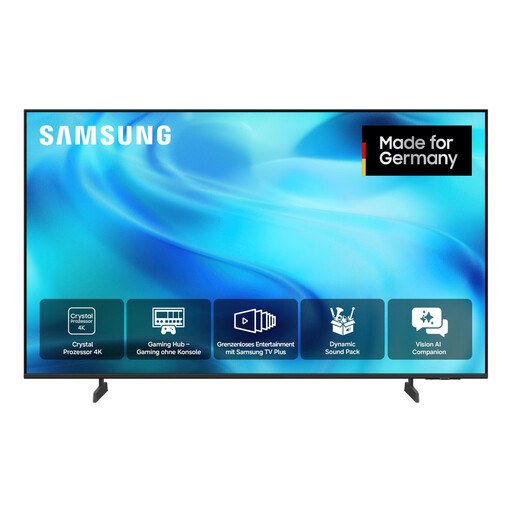
A 43-inch option, if the size suits your viewing distance and available space.
Features include 4K UHD, HDR10+ and HLG, streaming apps, plus DVB-T2-HD, DVB-C and DVB-S/S2 tuners.
Also listed are the Crystal Processor 4K, Adaptive Sound and voice control via the Smart Remote.
 No image available
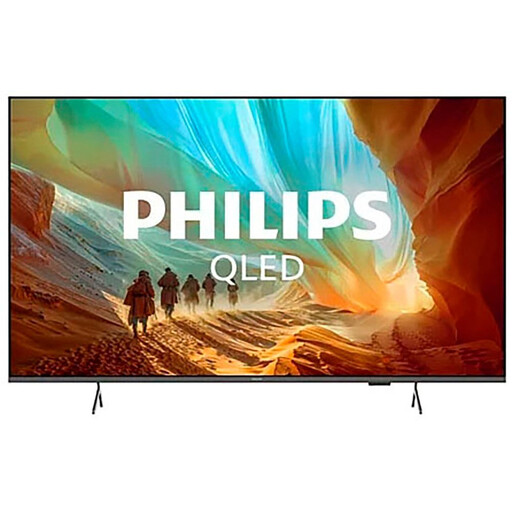
A QLED option for a living room where 43 inches suits your viewing distance and available space.
Features include 4K UHD, HDR10+ and HLG, as well as Titan OS and streaming apps.
Also listed are three HDMI ports with eARC and an audio output of 20 W.
 No image available
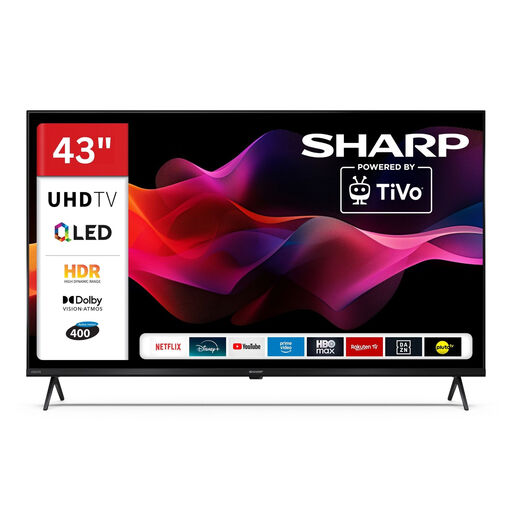
A 43-inch option if it suits the measurements and viewing distance in your living room.
Features include QLED, 4K UHD and Dolby Vision HDR, as well as TiVo with streaming apps.
The listing specifies a triple tuner and three HDMI 2.1 ALLM ports.
 No image available
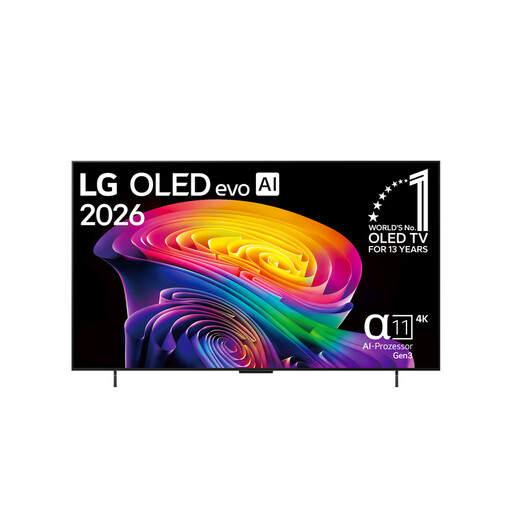
A compact OLED option if 42 inches suits your viewing distance and available space.
The product description lists 4K OLED, webOS 26, Google Cast and Apple AirPlay.
A 20 W speaker system and Clear Voice Pro are also listed; these are product specifications.
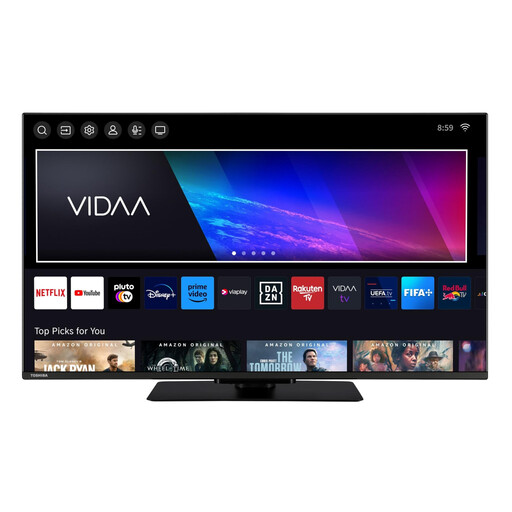 No image available
A 43-inch option for streaming or traditional TV reception, if it suits your viewing distance and available space.
Features include 4K UHD, Dolby Vision HDR, VIDAA with streaming apps and a triple tuner for aerial, cable or satellite TV.
Also listed are Dolby Audio with 16 W RMS and three HDMI ports with ARC.
No. Start by measuring your viewing distance and available space. The Verbraucherzentrale (German Consumer Advice Centre) gives 1.60 to 2.10 m as a guide for a 42-inch HDTV. Resolution, lighting and viewing angle also play a part in your choice.
For streaming, you need an internet connection and support for the specific services you use. For aerial, cable or satellite TV, check that the TV has the right tuner and, if necessary, that you have the required reception contract.
Compare the EU energy label and power consumption figures for the specific model. You can’t work out your personal annual cost without knowing how long you’ll use the TV and your electricity tariff. If the TV has a fault, statutory consumer rights against the seller are separate from a voluntary guarantee, as the Verbraucherzentrale explains.
In general, the German broadcasting contribution is based on the home, not the number of TVs. The Beitragsservice (broadcasting fee service) lists exemptions and exceptions, which should each be checked separately.