If protein is a priority for your TV snack, pulse-based protein crisps or peanuts are good places to start. If you’re after classic crisp flavour without that focus, potato crisps are another option. funny-frisch lists 21 g of protein per 100 g for its protein crisp range, while REWE and ALDI SÜD each list 25 g per 100 g for the peanut products featured here. Your choice ultimately depends on the portion you actually eat, as well as the salt, energy, ingredients and allergens listed on the specific pack.
Which snack suits you?
For after-evening-training snacks
If you’re settling down to watch TV after a workout, a portioned snack can complement your other meals. Compare the protein in the portion you’ll actually eat, not just the figure per 100 g. The reference values from the German Nutrition Society apply to your total daily intake, not to a single snack.
For crisp fans
If you want to stick with the familiar crisp format while keeping an eye on protein, compare pulse-based protein crisps with classic potato crisps. Check the nutrition information and ingredients for the specific variety you choose.
For fans of plain nut snacks
If you prefer a lightly seasoned snack, unsalted peanuts are worth considering. ALDI SÜD lists 25 g of protein and 0.05 g of salt per 100 g for the Ültje peanuts featured here. This product isn’t suitable if you have a peanut allergy.
What to look for when buying
First decide what matters most for your TV snack: protein, the nutrition of your portion or the type of snack. Then compare the information on the specific pack.
| Criteria |
What to check |
Who it matters to |
| Protein per portion |
Compare the protein per 100 g with the amount that will actually go into your bowl. |
After an evening workout, I want to know how much protein my snack adds to my other meals. For around 33% of consumers, this is the main consideration when buying. |
| Energy, fat and salt |
Relate the nutrition information per 100 g to your planned portion. Check the salt content separately for salted and unsalted varieties. |
During a long evening in front of the TV, I don’t want to keep refilling my bowl just because of the protein figure. Around 27% of consumers prioritise the nutritional value of their portion. |
| How it fits in after exercise |
Think about whether the snack will complement a meal you still plan to eat or be an extra. |
If I’m still having dinner after training, I want to plan my snack around it rather than treat it as a complete meal. For around 20% of consumers, this is the most important consideration. |
| Ingredients and allergens |
Read the ingredients list, highlighted allergens and any may-contain information on the specific pack. |
If I have an allergy or want to avoid certain ingredients, checking the contents comes first. Around 13% of consumers put this check ahead of other buying criteria. |
| Snack type and seasoning |
Choose between crisps, peanuts and mixes based on the texture and seasoning you prefer. |
For a night in front of the TV, I want something crunchy that I’ll enjoy eating. For around 7% of consumers, the snack experience is the main deciding factor. |
Common buying mistakes
-
Treating a protein snack as a complete meal
A snack can contribute to your daily protein intake, but it doesn’t automatically replace dinner. Nor does its protein figure tell you that it will have a particular effect on recovery.
First think about what else you plan to eat after training. Then choose a portion that fits in with it.
-
Comparing only the figures per 100 g
The nutrition information on the pack may not reflect the amount you’ll eat while watching TV. REWE lists 25 g of protein, 51 g of fat and 1 g of salt per 100 g for the ja! peanuts featured here.
Put your portion in a bowl first, then use that amount to work out the nutritional values.
-
Overlooking salt and allergens in nut snacks
Salted and unsalted peanuts can differ significantly in their salt content. If you have a peanut allergy, the protein content is no reason to choose peanuts anyway.
If salt is a priority, compare the nutrition information for the specific products. If you have an allergy, check the ingredients and allergen information on the pack every time.
-
Taking a marketing claim as an overall verdict
A claim about more protein or less fat describes only the specific nutrient and comparison mentioned. It doesn’t also answer questions about salt, energy or portion size.
Compare the nutrition information for the variety you’ve chosen rather than making your decision based on the front of the pack alone.
Brands to consider
The examples below relate to specific product ranges or products, not a brand’s entire range.
funny-frisch
For its protein crisp range, funny-frisch lists lentil flour and pea protein as the base ingredients, with 21 g of protein per 100 g.
- A crisp format for anyone who wants to pay particular attention to the protein content of their snack.
- Salt, energy, ingredients and portion size need to be checked separately for the variety you choose.
REWE / ja!
According to REWE, the ja! roasted & salted peanuts featured here contain 25 g of protein per 100 g.
- A peanut option if you’re in the mood for a salty snack.
- REWE also lists 51 g of fat and 1 g of salt per 100 g for this product. Check the allergen information too.
ALDI SÜD / Ültje
ALDI SÜD lists 25 g of protein and 0.05 g of salt per 100 g for the roasted, unsalted Ültje peanuts featured here. Ültje is the product brand.
- An unsalted alternative for anyone who would prefer peanuts to seasoned crisps.
- Choosing a suitable portion and checking the allergen information are still important.
Lorenz
Lorenz Crunchips Cheese & Onion offer a comparison with classic potato crisps: Lorenz lists 5.9 g of protein and 1.5 g of salt per 100 g for this variety.
- A useful point of comparison if the familiar potato crisp format matters more than a focus on protein.
- Lorenz notes that packs with different recipe labels may be on sale, so check the pack you buy.
Lidl / Alesto
Lidl’s Alesto range includes, among other things, natural nuts, dried fruit and seasoned party snacks.
- A range of ingredients and snack formats to choose from when putting together your own mix.
- Protein, sugar, salt and ingredients vary by product, so compare them individually.
Snack products at Joybuy
This selection features two crunchy snack formats for your TV snack: paprika protein flips and lentil crisps. The buying criteria above also apply when comparing these with peanuts or classic potato crisps, although neither of these two products represents those snack types.
 No image available
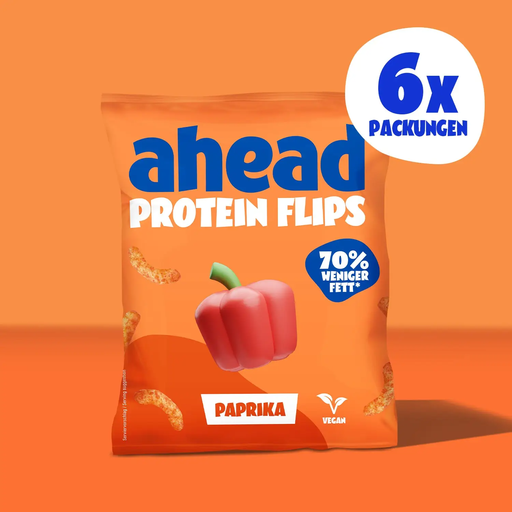
ahead Protein Flips Paprika, Tray 6x50g
An option if you’re looking for spicy protein flips in individually named pack sizes for your TV snack.
The tray contains 6x50g. Check the nutrition information and ingredients on the specific pack to find out what’s in your portion.
View at Joybuy
 No image available
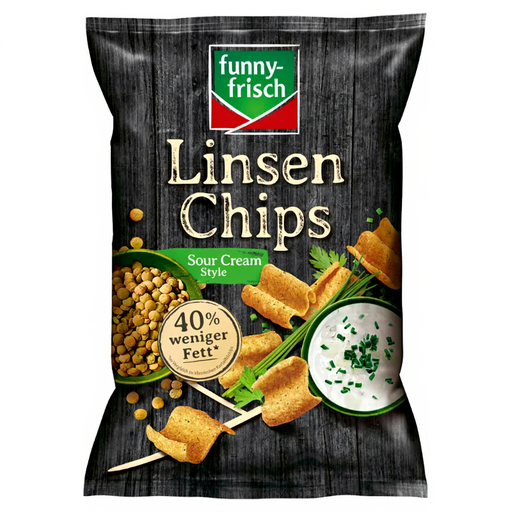
Funny-Frisch Sour Cream & Onion Lentil Chips 90g
A lentil crisp option if you prefer a crisp format with a Sour Cream & Onion flavour for your TV snack.
The pack is labelled 90g. Check the nutrition information and allergen details for this specific variety rather than assuming that figures for other funny-frisch ranges also apply.
View at Joybuy
Frequently asked questions
Is a high-protein snack automatically the better choice?
No. The protein figure alone doesn’t tell you about the snack’s overall nutritional value. The consumer advice centre recommends checking the nutrition label on products marketed this way. In particular, compare the portion you eat, along with its energy, fat and salt content.
How much protein should a post-workout TV snack contain?
There’s no general recommended amount for a single TV snack. The German Nutrition Society gives a reference value of 0.8 g of protein per kg of body weight per day for adults aged 19 to under 65. This applies to your total daily intake and doesn’t set a portion size for this snack.
When might unsalted peanuts be a better option than salted ones?
If you mainly want to compare salt content, it’s worth looking at unsalted varieties: ALDI SÜD lists 0.05 g of salt per 100 g for the Ültje peanuts featured here, while REWE lists 1 g per 100 g for the salted ja! peanuts featured here. Both products contain 25 g of protein per 100 g, according to the respective retailers. Neither is suitable if you have a peanut allergy.
What does “High Protein” tell you about a snack?
It isn’t an overall assessment of the food. In Germany, nutrition claims used in advertising are governed by EU rules. To help you decide what to buy, also check the nutrition information, ingredients and portion size for the specific pack.


