
Lieferung heute & morgen

Qualitätsgarantie

Willkommens-Angebote freischalten: KOSTENLOSE Lieferung | Bis zu 80 % RABATT | Kostenlose 30-Tage-JoyPlus-Testphase
App herunterladen
Choosing a new TV stand seems simple at first glance. But appealing product photos often hide flaws that only become apparent after the purchase: sagging shelves, insufficient storage, or a design that doesn't fit your existing tech. Many buyers invest in a piece of furniture only to find it shows signs of wear or proves impractical within a few months. This guide will show you what to look for to make an informed decision and avoid common purchasing pitfalls.
Before you decide on a model, you should be aware of the three most common issues that lead to dissatisfaction.
To avoid the problems mentioned above, focus on three core technical aspects. These form the basis for a durable and functional solution.
The stability of your TV stand is directly linked to the material and its construction. Look for clear manufacturer specifications on the material type and load-bearing capacity.
The right size and layout are crucial for a harmonious look and practical use.
Modern TV furniture offers more than just a surface to place things on. Features like integrated lighting and the choice of finish shape the room's atmosphere.
Here are some recommendations tailored to different user profiles and interior design styles.
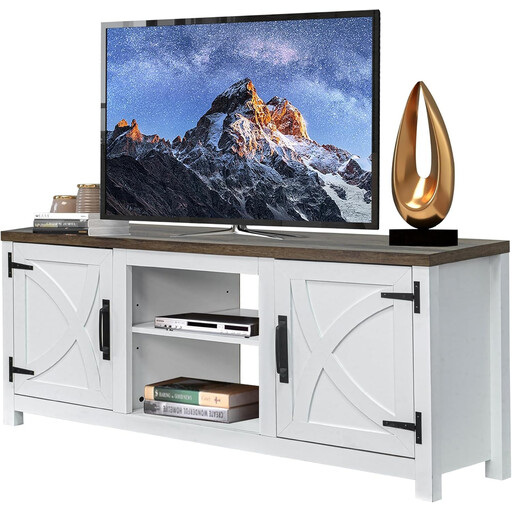
Why it's a great fit: Ideal for those who appreciate a cosy, farmhouse style but don't want to compromise on modern functionality. The design blends seamlessly into bright, welcoming living concepts.
The construction from MDF (Engineered Wood) and a specified maximum load capacity of 54 kg prevent sagging. The combination of open compartments and closed sections solves the problem of storage and cable organisation.
The adjustable shelf allows for flexible customisation of storage space. The barn door design is a striking style element.
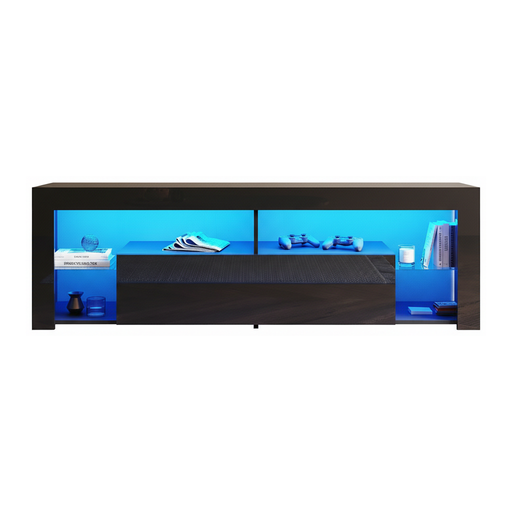
Why it's a great fit: Perfect for a contemporary living room. The combination of a black high-gloss finish and customisable LED lighting creates a stylish ambiance for movie nights.
At 160 cm wide, it offers the right proportions for TVs up to 65 inches. The open glass shelves ensure good ventilation for devices, while the drawer hides unsightly accessories.
The integrated LED system with 16 colours and a remote control allows for customisable mood lighting. The material combination of MFC and MDF ensures stability.

Why it's a great fit: This stand was designed specifically for the needs of gamers. It offers dedicated space for consoles, a high load capacity, and atmospheric RGB lighting.
With a very high maximum load capacity of 72 kg and a construction of P2 particleboard, it is extremely stable. The open compartments and targeted cable openings directly address ventilation and cable management issues.
The RGB LED lighting with 7 colours and 22 dynamic modes creates the perfect gaming atmosphere. The design is explicitly tailored to the dimensions of consoles like the PS5.
We have compiled a complete, up-to-date list of products that fully meet these strict selection criteria and safety standards.
1. How wide should a TV stand be in relation to the TV? As a guideline, the lowboard should be about 10–20 cm wider than the television itself on each side. This ensures visual balance and prevents the setup from looking cluttered. For a TV stand for a 65-inch TV (approx. 145 cm device width), a lowboard with a width of 160 cm to 180 cm is a good choice.
2. Does a TV stand with LED lighting require special maintenance? Maintenance is generally minimal. The LED strips are durable and consume little power. It is important to protect the electrical components, such as the power adapter and remote control, from moisture. The furniture surface can be cleaned as usual depending on the material, for example, with a soft, slightly damp cloth for a high-gloss finish.
3. What is the difference between a wall-mounted and a freestanding lowboard? A wall-mounted lowboard is mounted directly to the wall. This creates a floating, minimalist look and makes cleaning the floor easier. It requires a load-bearing wall and proper installation. A freestanding lowboard is more flexible in its placement, often has a higher load capacity, and is easier to assemble. The decision depends on your wall structure, desired style, and storage needs.