Households with sofas viewed from the side
If several seats are used regularly, picture quality away from the centre matters too. RTINGS.com highlights wide viewing angles as an important factor for rooms with a broad seating arrangement.


If you regularly sit off to the side, start by comparing viewing-angle measurements for the specific models you’re considering. OLED and IPS LCD are natural options to look into, while VA LCD typically has narrower viewing angles than IPS (RTINGS.com). Also check for reflections where you plan to position the TV. If you’ll mostly sit directly in front of it, VA LCD’s contrast may matter more than an especially wide viewing angle.
If several seats are used regularly, picture quality away from the centre matters too. RTINGS.com highlights wide viewing angles as an important factor for rooms with a broad seating arrangement.
If you watch gardening programmes during the day, consider windows and lights in the room as well as the viewing angle. RTINGS.com notes that direct reflections can make watching TV more difficult.
Compare energy consumption alongside the price, connections and the screen size you actually need. Verbraucherzentrale lists these as things to consider when buying a TV.
A good fit if: Several people regularly watch from seats at noticeably different angles and picture quality from those seats matters.
Things to weigh up: Check the viewing-angle and reflection measurements for the specific model. Bright daylight and long periods showing unchanged content are also worth considering.
A good fit if: Side seating is important and you’re considering an LCD alternative to OLED.
Things to weigh up: RTINGS.com says IPS typically has wider viewing angles than VA, but lower contrast. The exact model variant still matters.
A good fit if: Your main seats are more or less directly in front of the TV and you want to prioritise the features of a specific model.
Things to weigh up: According to RTINGS.com, VA typically has narrower viewing angles than IPS. Mini-LED refers to the backlight and, on its own, doesn’t guarantee a wide viewing angle from the side.
| Buying priority | What to check when buying | Who is it particularly relevant to? |
|---|---|---|
| Picture from the side | Compare the seating angles of the places you use regularly with the horizontal viewing-angle measurements for the exact model variant. | If I watch TV from several seats on the sofa, I want to be able to judge colour and contrast away from the centre too. Around 36% of consumers name viewing angle as their main priority. |
| Daylight and reflections | Check the light sources from your seat and compare reflection tests for the specific model with your planned location. | If you watch during the day, you’ll want to know whether windows or lights are distracting from your seat. Around 29% of consumers prioritise daylight. |
| Upfront cost and electricity use | Consider the price, EU energy label and product information sheet for the size you’re actually comparing. | If I want to keep to my budget and weigh up running costs too, I need details for the specific variant. Around 21% of consumers name cost as their main priority. |
| Size and reception | Measure the space available and viewing distance; check the connections you need and the requirements for your preferred way of receiving programmes. | If you’re fitting the TV into a particular room and want to use your preferred channels or apps, check the dimensions and reception options together. Around 14% of consumers prioritise placement and reception. |
Screen size alone doesn’t change a panel’s viewing-angle performance.
Choose a suitable size, then compare the horizontal picture measurements for the seats you use regularly.
The name alone doesn’t tell you how the picture on a specific LCD model changes when viewed from the side.
Check the panel technology and measurements for the exact variant. Even a model designed for bright rooms should be assessed from your seat.
Direct light can make the picture harder to see, and energy consumption varies by device and size.
Check where the screen will go in daylight and compare the energy labels of the variants you’re considering.
Energy consumption affects running costs over the TV’s lifetime. The amount will also depend on your electricity tariff and how you use it.
The G5 and C5E OLED ranges are useful reference points when comparing different seating arrangements. LG Germany lists the OLED65G59LS as a 65-inch G5 and the OLED55C5ELB as a 55-inch C5E.
The 77-inch S95F is an OLED option if you’re considering a large screen and reflection handling.
The BRAVIA 8 II is an OLED alternative; Sony lists the K-65XR8M2 for the German market.
The 65OLED910/12 combines OLED with four-sided Ambilight and integrated Bowers & Wilkins sound.
The 85C9K for the German market is a large-format QD Mini-LED LCD alternative for consumers considering different seating arrangements too.
The following Joybuy picks are OLED TVs for side seating. As well as panel technology, consider measurements for the specific variant and choose a screen size that suits your room.
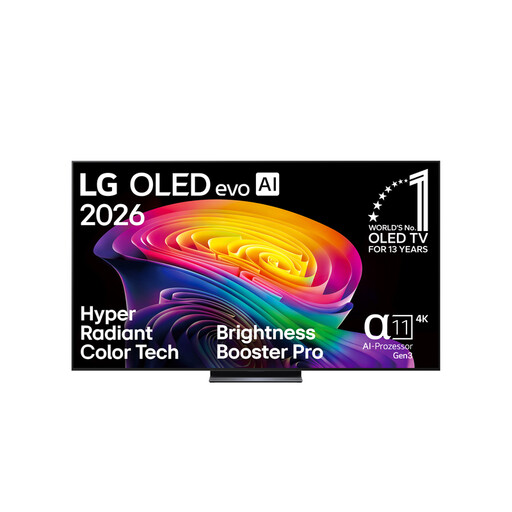 No image available
As an OLED model, this TV may suit consumers who need to consider side seating; check the view using measurements for the exact variant.
Listed in the product name: 83 inches, 4K and Smart TV. The product description mentions wide viewing angles; this isn’t an independent measurement of the model.
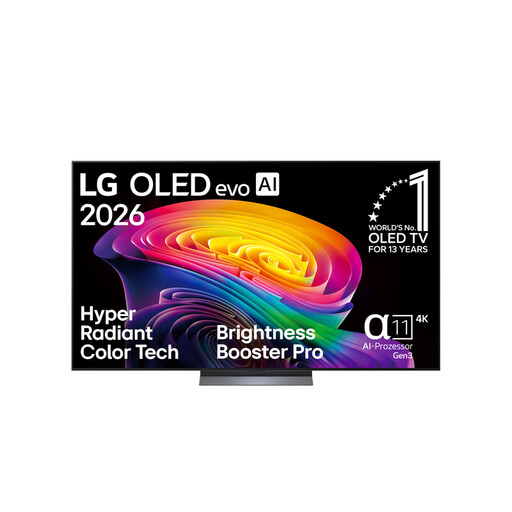 No image available
As an OLED model, this TV is one option to consider for side seating; compare the viewing-angle measurements for the exact variant with your seating arrangement.
Listed in the product name: 77 inches, 4K, 120 Hz, webOS, energy class D and model year 2026.
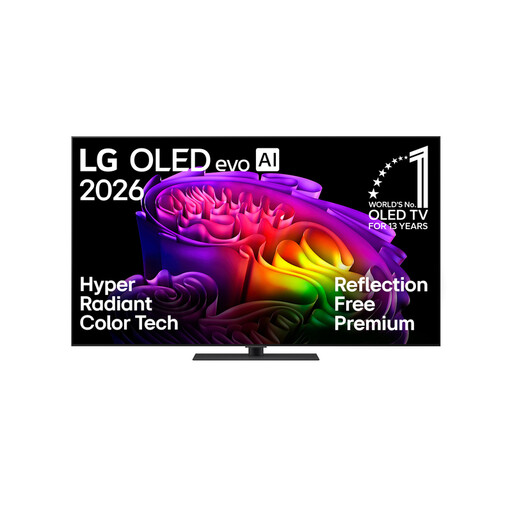 No image available
OLED technology makes this model one to consider for side seating; assess the viewing angle using measurements for the exact variant.
Listed in the product name: model year 2026, up to 165 Hz, α11 Gen3 AI Processor, Dolby Vision and Atmos, G-SYNC, FreeSync Premium, webOS and stand. The product description mentions an anti-reflection screen; check for reflections where you plan to position the TV too.
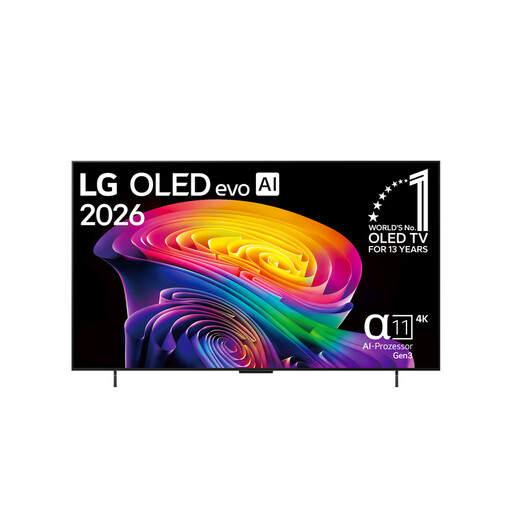 No image available
As an OLED model, this TV could be on your shortlist for side seating; compare measurements for the specific variant and check that the size suits your room.
Listed in the product name: 42 inches, model year 2026, α11 Gen3 AI Processor, 165 Hz VRR, Dolby Vision and Atmos, G-SYNC, webOS 26 and black finish. The description mentions wide viewing angles and an anti-reflection screen; this doesn’t replace checking the conditions where you plan to position it.
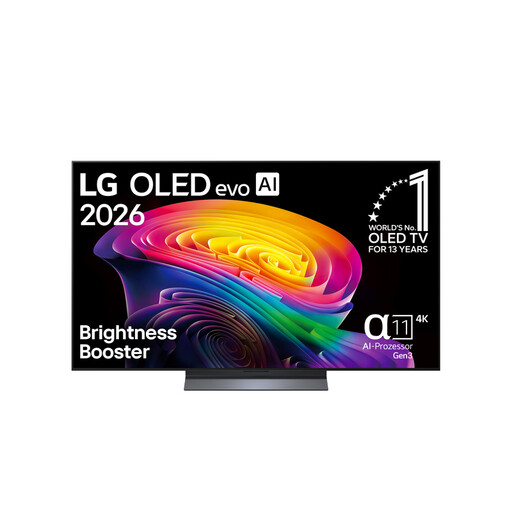 No image available
OLED technology makes this model one to consider for side seating; compare the viewing-angle measurements with the seats you use regularly.
Listed in the product name: 55 inches, α11 Gen3 AI Processor, 165 Hz, gaming, Dolby Vision and Atmos, and webOS 26.
No. These names alone don’t determine the horizontal viewing angle of a specific model. Check the panel variant and measurements for the screen size you want.
Measure the space available on your stand or wall and compare it with the dimensions of the exact variant, including the stand. Then check from each seat you use regularly how light sources fall on the screen’s planned position.
Compare the EU energy label and product information sheet for the size you’re actually choosing. Verbraucherzentrale recommends considering energy consumption alongside the price and connections. Your personal annual cost will also depend on your electricity tariff and how long you use the TV.
Follow the instructions for your specific model. LG’s care guide warns against certain disinfectant and damp wipes, as their ingredients or moisture may damage the screen.
Don’t put it in your household rubbish. The German Environment Agency says you can drop it off free of charge at a recycling centre. When buying a new device of the same type, you can also return a large old appliance free of charge, including with online purchases delivered to your home.