
Lieferung heute & morgen

Qualitätsgarantie

Willkommens-Angebote freischalten: KOSTENLOSE Lieferung | Bis zu 80 % RABATT | Kostenlose 30-Tage-JoyPlus-Testphase
App herunterladen
Mounting a television on the wall not only creates a modern and uncluttered aesthetic but also saves valuable living space. However, choosing the right TV wall mount is crucial for the safety of your device and an optimal viewing experience. With the vast number of models available, the decision can be overwhelming. This guide will help you understand the technical requirements and make an informed choice that perfectly suits your TV, your wall, and your viewing habits.
Before you decide on a model, there are a few technical criteria to check. These ensure that the mount is compatible with your TV and can be securely attached to the intended wall.
The most important factor is the VESA standard. This standard defines the distance between the threaded holes on the back of your TV in millimetres (width x height). A common size, for example, is VESA 400x400. You can find your TV's VESA standard in its user manual or by measuring it directly. The TV wall mount you choose must support this standard. Equally crucial are the weight and screen size of your device. Every mount has a maximum load capacity and is designed for specific inch sizes, such as a 55-inch TV wall mount. Do not exceed these specifications under any circumstances to ensure stability.
TV wall mounts can be divided into three main types, each offering different levels of flexibility:
The stability of the entire setup depends on the wall. Most TV wall mounts are designed for installation on solid walls like concrete or brick masonry. Installation on drywall (plasterboard) alone is generally not recommended unless the mount can be screwed directly into the wooden studs behind it. Check the suitability of your wall and use the appropriate mounting hardware for the wall type.
Here is a selection of mounts that cover different needs. The descriptions are based on product data provided by the manufacturer.
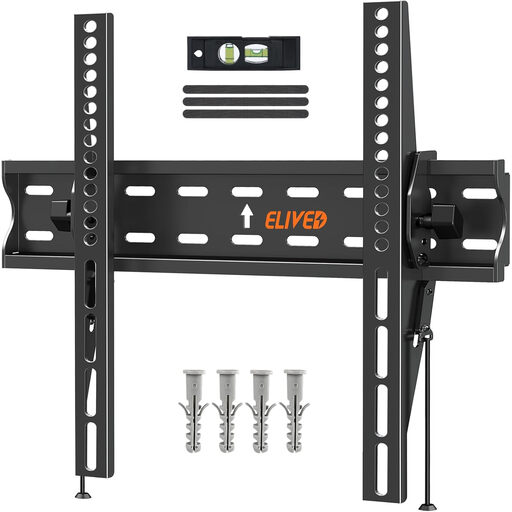
Why it stands out: This model combines an ultra-slim profile with a convenient tool-free tilt function.
Advantages:
Who is it for? For users who prefer an unobtrusive, close-to-the-wall installation but don't want to sacrifice the ability to slightly tilt the screen to reduce reflections.
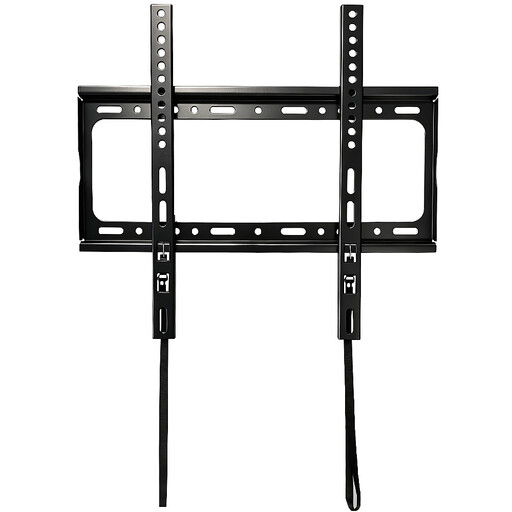
Why it stands out: This mount is designed for maximum stability and an extremely flat profile to seamlessly integrate the TV into your space.
Advantages:
Who is it for? For users with a fixed seating position who are looking for a robust, space-saving solution where the TV sits as flat as possible against the wall.
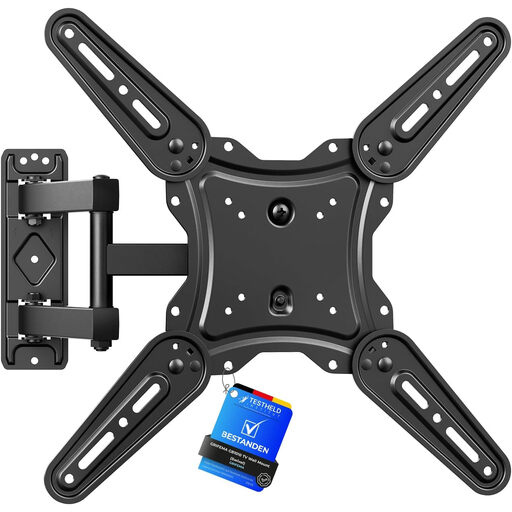
Why it stands out: This model offers maximum flexibility thanks to its extendable arm and versatile adjustment options.
Advantages:
Who is it for? For users who need to frequently adjust their TV's viewing angle, whether in large living rooms, open-plan kitchen-diners, or to avoid glare from different windows.
Was the right mount for your needs not listed here? There is a wide variety of other models with different features and for various TV sizes. Explore a broader selection to find the perfect solution for your home.
? Discover more models for wall-mounted swivel TV mounts here.
The VESA standard describes the standardised distance between the four mounting holes on the back of a TV, specified in millimetres (e.g., 400 x 400 mm). You can find this information in your TV's user manual or by measuring the horizontal and vertical distance between the holes yourself. Compatibility with the VESA standard is the fundamental requirement for choosing a wall mount.
Direct installation on a drywall (plasterboard) panel alone is not safe, as the material cannot support the weight of the TV and mount. Instead, the mount must be securely anchored into the wood or metal studs behind it. For solid walls made of concrete or brick, installation is generally more straightforward and secure.
As a general guideline, the centre of the screen should be at eye level when you are sitting on your sofa or chair. This often corresponds to a height of about 100 to 120 cm from the floor to the centre of the screen. Adjust the height to your individual seating height and personal preference to ensure an ergonomic and comfortable viewing position.