
Lieferung heute & morgen

Qualitätsgarantie

Willkommens-Angebote freischalten: KOSTENLOSE Lieferung | Bis zu 80 % RABATT | Kostenlose 30-Tage-JoyPlus-Testphase
App herunterladen
Buying a TV wall mount seems straightforward, but the market is vast, and the technical details are crucial. The wrong choice not only leads to aesthetic compromises but, in the worst-case scenario, can jeopardise the safety of your television. As your Joybuy Product Recommendation Officer, I'll help you understand the key criteria and avoid common pitfalls, so you can make an informed decision.
Many buyers focus on price or design, overlooking fundamental technical aspects. These oversights often lead to disappointment and additional costs.
To avoid these mistakes, you should check three core parameters before buying. These form the basis for a secure and functional installation.
The VESA standard is the universal system for mounting flat-screen displays. It is specified in millimetres (e.g., 400 x 400 mm).
Ensure your TV's VESA standard falls within the range supported by the wall mount.
Never choose a mount with a maximum load capacity below your TV's weight. Check the weight of your television (without the stand) and factor in a safety margin of at least 20%, especially for movable mounts. High-quality mounts are made of solid steel and feature clean workmanship on welds and joints.
The choice of the right type depends entirely on your use case.
Here are some models tailored to specific user profiles and their requirements.
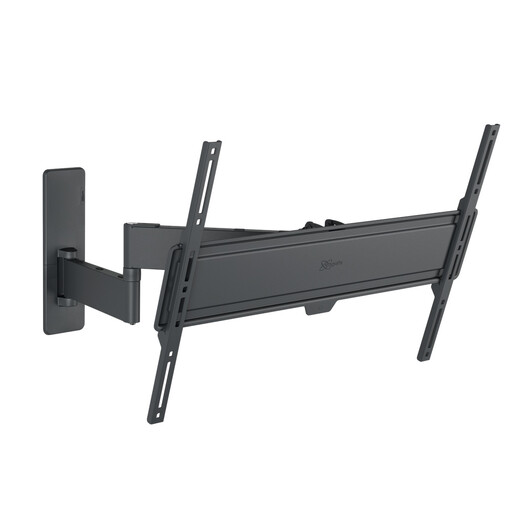
Why it's a great fit: For owners of large TVs (for 55-75 inch TVs and larger) who want maximum flexibility without compromising on stability. The mount can swivel, tilt, and extend, allowing for perfect alignment in any room situation.
The high load capacity of 55 kg provides a huge safety margin. The wide VESA compatibility (up to 600x400) covers almost all large TVs. As a full-motion mount, it prevents you from buying an unsuitable, fixed model.
The "One-Finger Movement" technology, according to the manufacturer, allows for smooth motion even with heavy devices. Integrated cable management ensures a clean look.
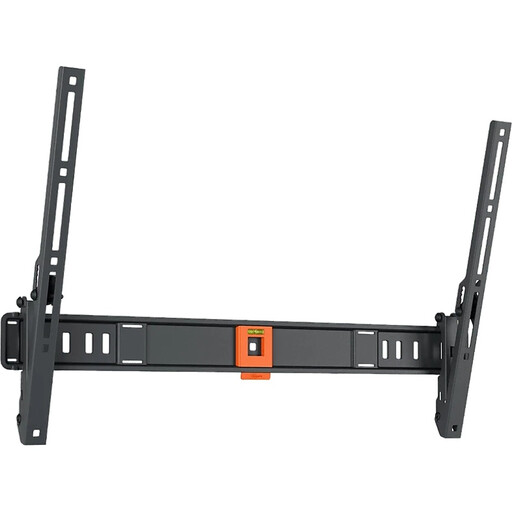
Why it's a great fit: Perfect for anyone mounting their TV high on the wall and wanting to eliminate annoying reflections from windows or lamps. The tilting function is the key feature here.
This tilting TV wall mount specifically solves the problem of glare and poor viewing angles. The extremely high load capacity of 75 kg and the ClickLoc safety system directly address concerns about material failure.
The tilt angle of up to 15° allows for effective adjustment to lighting conditions. The robust steel construction is designed for durability and safety for large screens.
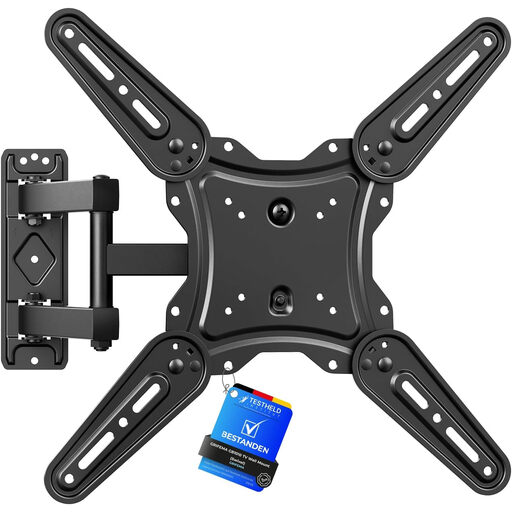
Why it's a great fit: A versatile solution for mid-sized TVs in apartments or multi-purpose rooms. It offers a full range of motion (tilt, swivel, extend) and covers a wide array of TV sizes and VESA standards.
Prevents the purchase of a mount that is too rigid by offering full motion. Clear specifications for load capacity (35 kg) and VESA compatibility (up to 400x400 mm) help avoid the most common compatibility and safety errors.
The wide swivel range of ±90° and extension of up to 42.5 cm provide great flexibility, even for corner installations. According to the manufacturer, the mount is suitable for flat and Curved TV sets.
We have compiled a complete, up-to-date list of products that fully meet these strict selection criteria and safety standards.
1. How do I find the correct VESA standard for my TV? You can find the VESA standard in your TV's technical data sheet or user manual. Alternatively, you can measure the distance between the four mounting holes on the back of your device yourself. First, measure the horizontal distance and then the vertical distance (from the centre of one hole to the centre of the next) in millimetres. The result is the VESA standard, e.g., 400 x 200.
2. Can I install a TV wall mount on a drywall (plasterboard) wall? Direct installation on a single sheet of plasterboard is not recommended for most TVs, as the board cannot support the weight. The mount must be securely anchored into the underlying structure (e.g., wooden studs or metal frames). Use special hollow-wall anchors for this or consult a professional. For solid concrete or brick walls, the included heavy-duty anchors are usually sufficient.
3. Is a swivel TV mount suitable for a Curved TV? Yes, many swivel and extendable mounts are explicitly suitable for Curved TV models. The flexibility of such a mount is actually beneficial, as it allows the screen to be perfectly aligned with the viewer to make the most of the curved display's immersive effect. However, always check the product specifications to ensure the manufacturer confirms compatibility with curved devices.