
Lieferung heute & morgen

Qualitätsgarantie

Willkommens-Angebote freischalten: KOSTENLOSE Lieferung | Bis zu 80 % RABATT | Kostenlose 30-Tage-JoyPlus-Testphase
App herunterladen
A TV wall mount saves space, can position your television at a comfortable height and help keep your living space tidy. However, you should not choose one based solely on screen size or a low price. The key factors are your television’s technical specifications, the condition of the wall and the range of movement you require.
As a Joybuy Product Recommendation Officer, I filter market information using clear, verifiable criteria. This helps you avoid common mistakes when buying a TV wall mount.
The description “for 32 to 85 inches” initially only indicates the intended screen-size range. It does not automatically mean that every television of this size can be mounted. Depending on the model, a large television can weigh significantly more or less. That is why the TV’s weight and the mount’s maximum load capacity must be compatible.
It is also important not to use the full load capacity. A heavy television should be fitted with a mount that offers a sufficient safety margin. For very large televisions, models are available with a TV mount capacity of up to 75 kg or more; the specific manufacturer’s rating remains decisive.
The VESA measurement refers to the horizontal and vertical distance between the threaded mounting holes on the back of the television, for example 200 × 200 or 600 × 400 mm. A VESA TV mount must support these dimensions.
Screen size alone is not enough. Two televisions with the same screen diagonal may have different VESA patterns. Before buying, you should therefore check the television’s specification sheet or measure the mounting holes on the back.
A TV wall mount must be secured to a load-bearing structure. Concrete and solid brick walls are generally suitable for many models, provided that suitable wall plugs and screws are used. With a wooden wall, the fixing points must be positioned in load-bearing wooden studs.
Plasterboard, cavity walls and lightweight partition walls are not automatically suitable. Some mounts explicitly exclude these wall types. If you are unsure, have the wall construction professionally assessed before installation and reinforced if necessary.
A fixed TV wall mount holds the television in a fixed position without any movement function. It is suitable when the seating position is directly in front of the screen and you want the television to sit close to the wall. Depending on the model, an ultra-slim TV mount may require only a few millimetres or a few centimetres of clearance. Check that there is still enough room for cable plugs and ventilation openings.
A tilting TV wall mount allows you to adjust the vertical viewing angle. This is useful if the television is mounted higher up or if you want to reduce reflections from windows and lamps. A swivelling TV wall mount, or an extendable model, is suitable for rooms with several seating positions. You will also need to ensure that there is enough clearance between the mount, the wall, furniture and cables throughout its range of movement.
Before buying, make a note of:
A universal TV wall mount is suitable only if its VESA range covers the television’s measurements. The word “universal” is not a substitute for checking the technical specifications.
A small wall clearance makes a fixed mount feel space-saving. With a swivelling or extendable design, the distance can be considerably greater. A model offering, for example, 42 to 340 mm of clearance provides more flexibility, but when extended it needs sufficient space in front of the wall.
LED, LCD and OLED televisions generally require the same key checks: VESA, weight, screen size and wall suitability. When mounting an OLED television, take particular care around the edge of the screen and on the back of the unit.
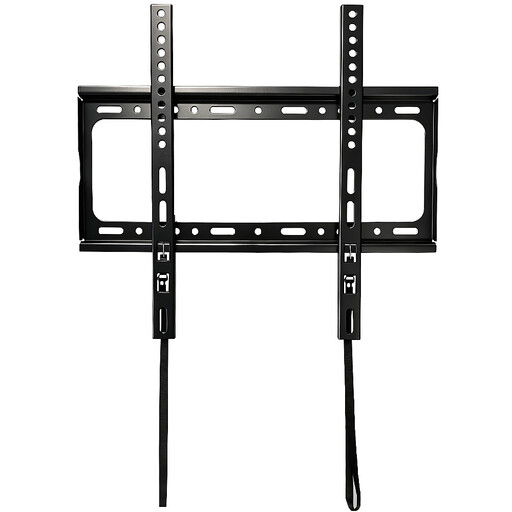
Why this product suits this profile: The fixed design is intended for straightforward installation without swivelling or tilting. It supports televisions from 32 to 65 inches and weighing up to 45 kg.
The stated maximum screen size, 45 kg load capacity and VESA support up to 400 × 400 mm make it easier to compare specifications before buying. It is listed as suitable for concrete, brick and wooden studs.
Fixed design, space-saving format and support for three common wall types.
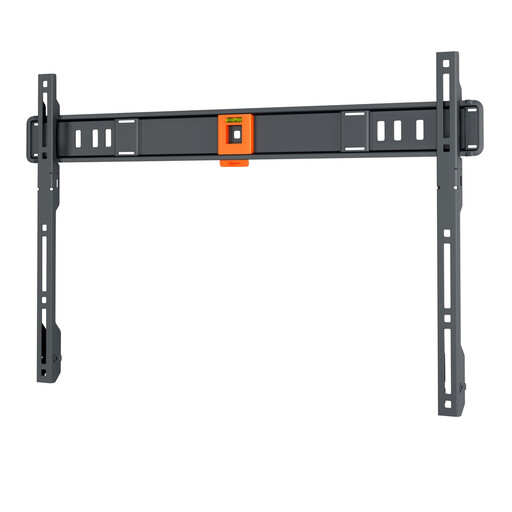
Why this product suits this profile: The model is designed for televisions from 40 to 100 inches, weighing up to 75 kg, with VESA dimensions from 100 × 100 to 600 × 400 mm.
The clearly stated limits reduce the risk of confusing screen size with load capacity. According to the product description, a ClickLoc safety system confirms that the mount is locked securely.
Wide VESA range, fixed installation and a stated load capacity of up to 75 kg.
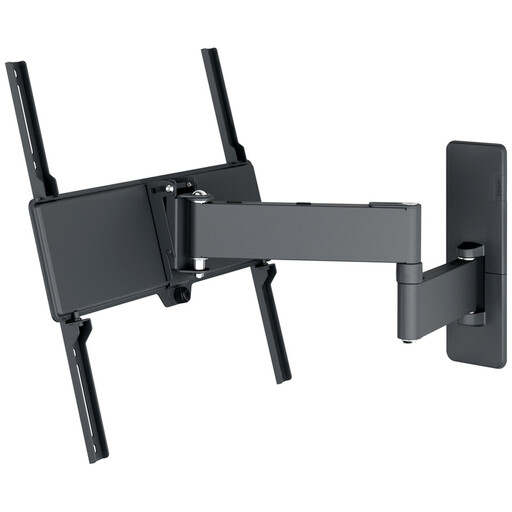
Why this product suits this profile: For seating areas with changing viewing angles, the model offers up to 180° of swivel, up to 15° of tilt and a wall clearance of 5.5 to 49 cm.
The stated range of movement makes it clear that an extendable arm requires more space and a load-bearing wall. The 35 kg load limit should be checked before installation.
Swivelling and tilting functions, plus integrated cable management for flexible seating positions.
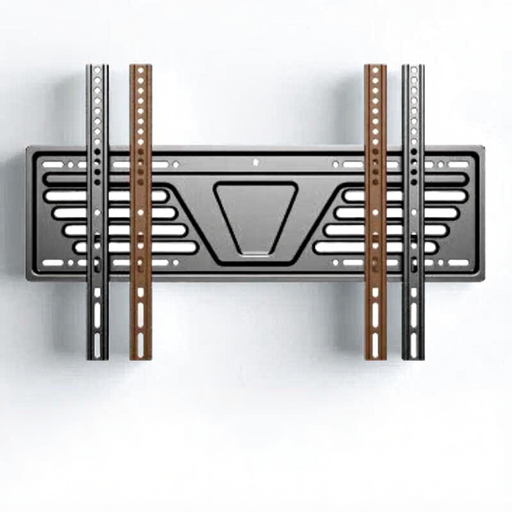
Why this product suits this profile: The mount is specified for televisions from 32 to 85 inches, weighing up to 80 kg, with VESA dimensions from 100 × 100 to 600 × 400 mm.
The product data states the screen-size range, load capacity and VESA range together. According to the description, it is intended for installation on concrete, brick and solid wooden studs, but not on plasterboard or cavity walls.
Steel construction, 15 mm wall clearance and cable ties for a neat installation.
We have put together a complete, regularly updated list of products that fully meet these strict selection criteria and the safety regulations applicable in the EU.
Before drilling, decide where the television will go, the viewing height and the route for the power and signal cables. The wall plate must be level. When lifting and hanging large or heavy televisions, it is advisable for at least two people to do the job.
Then check:
With a movable mount, the wall must be able to withstand the additional leverage forces. Check the fixings and joints regularly to ensure they remain secure.
Many fixed, tilting and swivelling models can be considered for solid brick walls. The decisive factors are suitable wall plugs, the load-bearing capacity of the masonry and the combined weight of the television and mount. Hollow bricks have different requirements from solid bricks.
Measure the horizontal and vertical distance between the four threaded mounting holes on the back of the television. Compare these measurements with the mount’s stated VESA range. The screen diagonal and weight must also fall within the manufacturer’s specifications.
There is no universal answer regarding service life. It depends on factors including the materials, wall condition, installation quality and load. Check the screws, wall plate and joints regularly. If you notice visible deformation, rust, loose fixings or unusual movement, stop using the mount.