Direct drawers with a reference monitor
You want to draw your character on a pen display and keep poses or views open on the other screen. XPPen describes extended display mode and pen input mapping as important set-up steps.


If you want to draw directly on one screen while keeping references open on another, consider a pen display or a tablet compatible with your computer that can be used in extended display mode. If you already have two monitors, a screenless graphics tablet may be all you need. The key things to check are compatibility between your computer, display and stylus, correct input mapping, and the connections and desk space required.
You want to draw your character on a pen display and keep poses or views open on the other screen. XPPen describes extended display mode and pen input mapping as important set-up steps.
You need room for full-body views, facial details, variations and tool palettes, and are weighing up the active drawing area against the space the device takes up. Wacom lists the device dimensions and active area separately.
You want to bring an existing or new iPad or Galaxy Tab with a stylus into your workflow. Apple describes Sidecar for compatible Mac and iPad combinations; Samsung lists the requirements for the Second Screen feature on supported Galaxy tablets.
A good fit if: You want to draw directly on the visible work surface and show references on another monitor.
Consider: The display, stand and cables need space; check the video, data and power connections.
A good fit if: You already have two monitors and don’t want to set up another screen.
Consider: You draw on the tablet while looking at the monitor; the tablet itself doesn’t display your canvas.
A good fit if: You have a compatible Mac and iPad and want to use Sidecar to extend your desktop. Apple lists Pencil compatibility by iPad model.
Consider: Sidecar isn’t a general-purpose second-screen mode for Windows computers.
A good fit if: You want to use a supported Galaxy Tab with a Windows computer and work with the S Pen.
Consider: Samsung lists system, network and account requirements; some features may vary depending on the computer.
| What matters when buying | What to check | Who prioritises it? |
|---|---|---|
| Two-screen workflow and pen mapping | Check that you’re using extended rather than mirrored mode, and that pen input is mapped to the correct screen. | If I want to see my drawing area and references at the same time, having them on separate screens is essential. Around 33% of consumers put this workflow first. |
| Space for character details and tool palettes | Compare the active area, display size and device dimensions separately; think about your own layout with tool palettes open. | What matters to me is having room on the drawing area for full-body views, details and variations. Around 27% of consumers prioritise visible space for character details. |
| Compatibility between computer, display and stylus | Check the full model names, system requirements, video output, required cables and compatible stylus. | If I want to use a stylus with a device I already own, I want to check the exact combination before buying. Around 20% of consumers see device and stylus compatibility as a priority. |
| Desk space and what’s included | Check the available desk space, as well as what’s included and which stylus and nibs are compatible with the exact model. | When space is limited, I want to know what will fit on my desk and which parts I’ll actually need. Around 20% of consumers prioritise desk space and avoiding unnecessary extra purchases. |
When you mirror your displays, both show the same thing; this doesn’t give you separate space for references and your drawing area.
Set up extended display mode to keep windows separate, and check that pen input is mapped to the correct display.
Connections, power supply, computer support and stylus compatibility all depend on the specific combination of devices.
Check the full model numbers against the connection guide, and confirm which stylus, cables or adaptors are intended for that version.
A single figure from the manufacturer doesn’t tell you how well the stylus, visible area, driver and drawing software will work together in your workflow.
Factor in set-up and the right screen mapping when choosing, rather than comparing just one specification.
Pen displays for drawing directly on an additional computer screen.
Kamvas pen displays for a computer-connected drawing set-up.
Intuos Pro graphics tablets for drawing on an existing monitor; Wacom also offers pen displays.
According to Samsung, supported Galaxy Tab models with an S Pen can be used as a second screen with certain Windows computers.
Compatible iPads can work as an extended display for a Mac with the right Apple Pencil and Sidecar.
The Joybuy products listed here are styluses for compatible touchscreens. Check separately whether your tablet can work as a second screen with your computer.
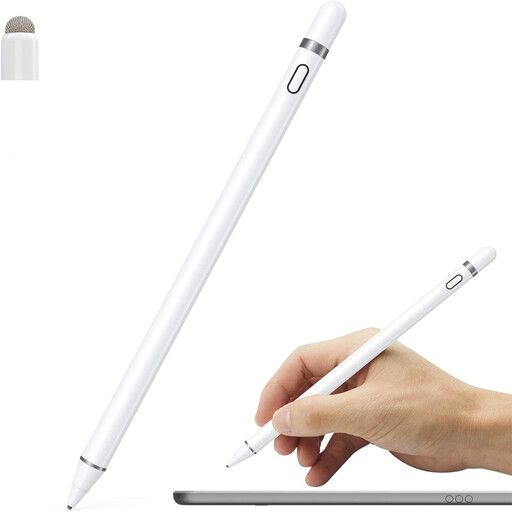 No image available
Described as suitable for drawing and writing on iOS and Android touchscreens; the product title specifies a rechargeable stylus with a dual-touch function.
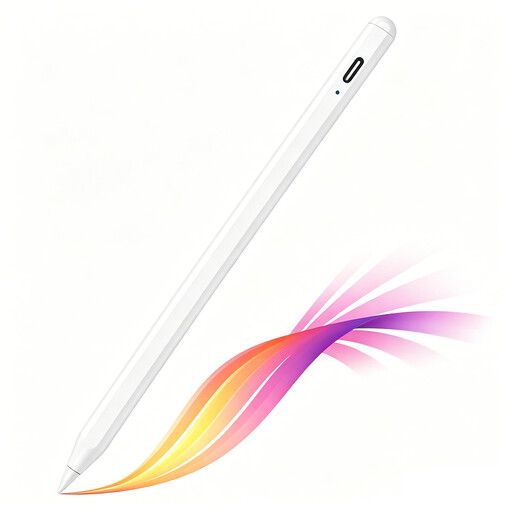 No image available
Described as a stylus for selected iPad models; the product title specifies a USB-C charging port. Check that your exact iPad model is supported before buying.
No. For the Artist models listed, XPPen describes both extended display mode, which lets you move windows between screens, and mirroring. To keep references beside your drawing area, choose extended mode and map pen input to the correct screen.
Yes, if your specific combination of devices and systems is supported. Apple describes Sidecar for compatible Macs and iPads; Samsung lists Second Screen for supported Galaxy tablets and Windows computers. Check the relevant system, network and account requirements too.
No. Follow the guide and check what’s included with the specific model. XPPen notes that the Artist 12 (2nd Gen) may require an additional adaptor or cable; Apple and Wacom list stylus and nib compatibility by model.
If a product is faulty, you can contact the seller under your statutory consumer rights; a voluntary manufacturer’s guarantee is separate. Your Europe explains that goods purchased in the EU have a minimum statutory guarantee of two years from receipt. According to the Verbraucherzentrale, many online purchases generally come with a 14-day right to cancel from receipt; exceptions and the terms of the specific contract may apply.