
Lieferung heute & morgen

Qualitätsgarantie

Willkommens-Angebote freischalten: KOSTENLOSE Lieferung | Bis zu 80 % RABATT | Kostenlose 30-Tage-JoyPlus-Testphase
App herunterladen
As an electric vehicle owner, a reliable charging cable is an essential everyday accessory. However, the market can be overwhelming, and choosing the wrong cable can be not only inconvenient but also costly. An unsuitable Type 2 11kW charging cable often leads to slower charging times, compatibility issues, or even safety hazards. This guide will help you identify the crucial features and make an informed decision.
Many buyers focus on price or marketing promises, overlooking critical quality features. You should absolutely avoid these three mistakes:
To avoid a bad purchase, you should focus on objective, technical criteria. These three aspects are crucial for an 11kW EV charging cable.
A Mode 3 16A charging cable with 11 kW of power is the right choice for most modern electric vehicles (BEVs) equipped with a three-phase on-board charger (OBC). Vehicles from manufacturers like Tesla, VW, Audi, or Hyundai use this standard to achieve maximum charging performance at a wallbox or public AC charging station. Ensure the cable is rated for three-phase charging at 16 amps to fully utilise the 11 kW.
A T?V-certified charging cable is a clear indicator of tested safety and quality. The seal confirms that the product has passed extensive tests for electrical safety, durability, and material resistance. Additionally, the IP protection rating is relevant. A rating of IP54 means the cable is protected against harmful amounts of dust and splashing water from all directions. This ensures safe operation in the rain or in dusty environments.
The cable jacket should be made of TPU (Thermoplastic Polyurethane). This material is superior to PVC in several ways: it remains flexible even at temperatures as low as -40°C, is more abrasion-resistant, and more resilient against oils and chemicals. Three standard lengths have become established:
Instead of a one-size-fits-all recommendation, we have identified products that are tailored to specific use cases.
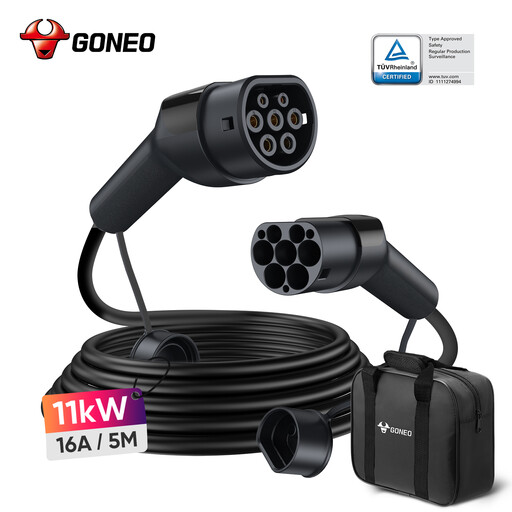
Why This Fits Their Persona: Perfect for users who primarily charge their vehicle at home with a permanently installed wallbox. The 5-metre length is sufficient to comfortably reach the vehicle without excess cable getting in the way.
This cable is T?V-certified and has an IP54 protection rating, thus avoiding the risk associated with untested, low-cost products.
Compact length for easy handling and storage; a cost-effective solution for primary home use.

Why This Fits Their Persona: The 7-metre version is the all-rounder for drivers who charge both at home and regularly at public charging stations. The length offers enough leeway for most parking situations without being excessively unwieldy.
The high-quality TPU jacket remains flexible even in the cold and resists abrasion, avoiding the typical material weaknesses of PVC cables.
A good compromise between reach and manageability; robust construction for daily use in various weather conditions.
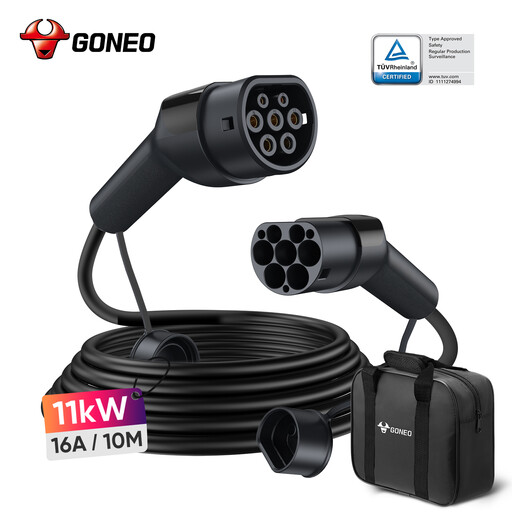
Why This Fits Their Persona: For drivers who often rely on unfamiliar charging infrastructure or whose home parking spot is far from the wallbox. The 10-metre cable bridges even greater distances and provides peace of mind in any charging situation.
Permanently solves the problem of a cable being too short, preventing frustration at poorly positioned charging stations.
Maximum flexibility and reach; silver-plated contacts for optimised conductivity and less heat generation during long-term use.
We have compiled a complete, up-to-date list of products that fully meet these strict selection criteria and safety regulations.
The Type 2 plug is the European standard for AC charging and is compatible with most electric cars and plug-in hybrids sold in Europe, including models from VW, BMW, Mercedes, Audi, and also the charging cable for Tesla vehicles (Model 3, Model Y, etc.) for AC charging. Exceptions include some older or imported models with a Type 1 or CHAdeMO connector. Always check your vehicle's charging port.
Very important. A T?V certification is independent proof that the cable has passed strict safety and quality tests. It confirms electrical safety, mechanical durability, and compliance with standards. A T?V-certified charging cable minimises the risk of overheating, short circuits, and other hazards.
That depends on your primary use case. Measure the distance from your wallbox to your car's charging port in your usual parking spot. Add a buffer of 1-2 metres.