
Lieferung heute & morgen

Qualitätsgarantie

Willkommens-Angebote freischalten: KOSTENLOSE Lieferung | Bis zu 80 % RABATT | Kostenlose 30-Tage-JoyPlus-Testphase
App herunterladen
Choosing an electric car is the first step, but it raises a new question: what's the most efficient and secure way to charge your vehicle at home and on the go? The range of charging solutions is vast, from simple cables to intelligent charging stations. This article serves as a guide, introducing various options to help you select the right equipment for your vehicle and living situation.
To make an informed decision, there are several technical aspects to consider. The following points will help you identify the right charging infrastructure for your needs.
Charging power, measured in kilowatts (kW), determines how quickly your vehicle's battery charges. The most common power levels for home charging are 11 kW and 22 kW.
The determining factor is always the weakest link in the chain: the vehicle, the charging station, and your home's electrical connection.
The choice between a permanently installed and a portable solution depends on your usage patterns and living situation.
A Mode 3 charging cable is the European standard for charging at AC charging stations. It enables communication between the vehicle and the charging point to ensure a safe charging process. Look for certifications like T?V or CE, which confirm compliance with European safety standards. A high IP rating (e.g., IP54 or higher) ensures the device is protected against dust and splashing water, making it suitable for outdoor use.
Based on functionality, safety features, and use cases, we have curated a selection of different charging solutions.
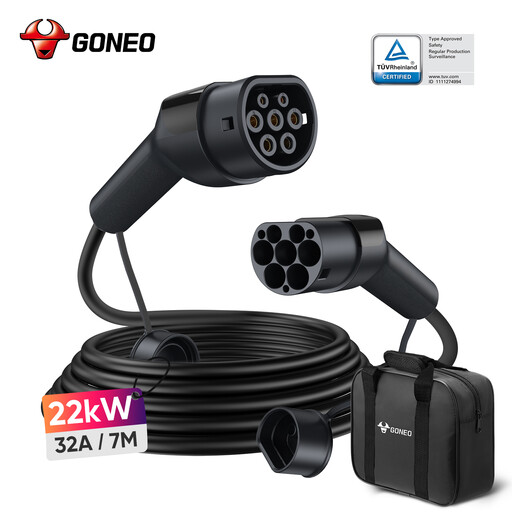
Why it stands out This product is a dedicated EV charging cable that connects your vehicle to a public charging station or a wallbox with a Type 2 socket. Its key features are durability and certified safety.
Advantages
Who is it for? EV drivers who frequently charge at public stations or own a wallbox without a tethered cable and need a durable, secure connection cable.
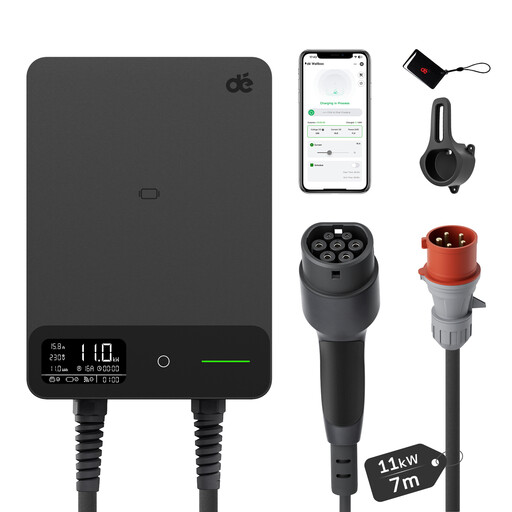
Why it stands out This 11kW wallbox is a complete home charging station that combines smart features with comprehensive safety mechanisms. It is designed for permanent installation.
Advantages
Who is it for? Homeowners looking for a permanently installed, intelligent, and secure solution for daily charging who value features like app control and access restriction.
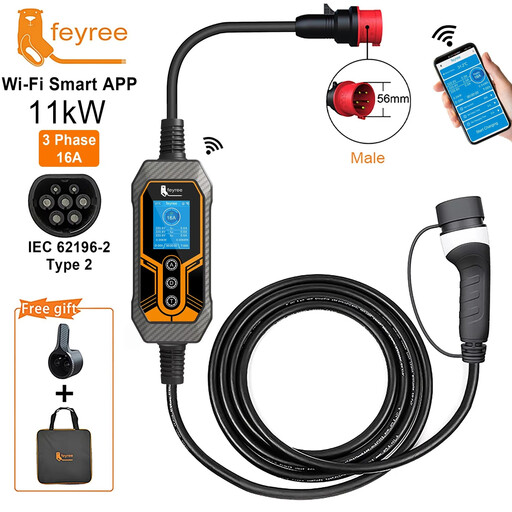
Why it stands out This mobile wallbox combines the power of an 11 kW charging station with the flexibility of a portable device. It connects to a high-power socket via a CEE plug.
Advantages
Who is it for? EV drivers who cannot or do not want to install a permanent wallbox (e.g., renters) or those looking for a powerful charging solution for travel and visiting friends or family with a compatible power connection.
The range of charging solutions is extensive and depends heavily on your individual needs. If you'd like to compare more options, you can find a wider selection in our Type 2 EV Charging Cables category.
A Type 2 charging cable is the connecting cable between a charging station and the electric vehicle. A wallbox is the actual charging station, which is mounted on a wall and connected to the electrical grid. It contains the charging electronics and safety features. Some wallboxes have a permanently attached (tethered) cable, while others have a socket that requires a separate cable.
Yes, that works without any problems. The charging system communicates the maximum possible power before the session begins. In this case, the charging process will be limited to the wallbox's output, which is 11 kW. The cable itself is not a limiting factor as long as its rated power is equal to or higher than that of the charging station.
The maximum possible charging speed is determined by your vehicle's on-board charger (OBC). You can find this information in your car's manual. For most vehicles, an 11kW wallbox is sufficient to fully charge the battery overnight. A 22 kW solution is only faster if your vehicle can also accept that level of power.