
Lieferung heute & morgen

Qualitätsgarantie

Willkommens-Angebote freischalten: KOSTENLOSE Lieferung | Bis zu 80 % RABATT | Kostenlose 30-Tage-JoyPlus-Testphase
App herunterladen
The selection of Asian noodles at the supermarket or online can be overwhelming. Especially when you want to prepare authentic dishes, the question arises: which noodle is the right one for my recipe? This guide is designed to help you find the perfect Udon noodles for your kitchen. We'll clarify the differences between the available types and present a selection of products suitable for various preparation methods, from a quick after-work meal to a traditional Korean noodle soup.
To make the right choice, it helps to know a few basic criteria. These three points will help you identify the right product for your needs.
Perhaps the most important decision concerns the form in which the noodles are sold.
Asian noodle varieties differ greatly in thickness, texture, and ingredients. Udon noodles are known as particularly thick wheat noodles with a soft, yet chewy texture. They are excellent at absorbing the flavours of rich broths or sauces. In contrast, ramen noodles are significantly thinner and often have a more yellowish colour and a springier texture due to being treated with an alkaline solution. So, if you're planning a rich, hearty noodle soup or a stir-fry, udon is a great choice. For lighter, broth-based dishes, ramen might be the better option.
Consider how often you prepare Japanese or Korean noodle dishes.
A look at the ingredients list is also advisable. Traditional udon consists of just a few ingredients: wheat flour, water, and salt. Some varieties contain additional starches, like tapioca starch, to increase their chewiness.
Based on the criteria above, we have compiled a selection of products that are suitable for different needs.
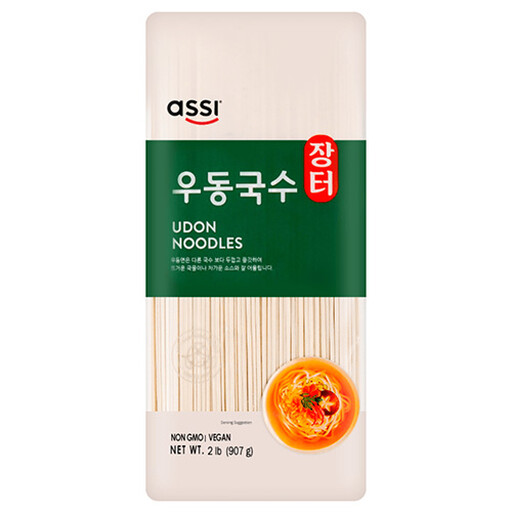
Why It's a Great Choice: These dried, Korean-style noodles provide an authentic base for a variety of dishes. The composition of wheat flour, salt, and water follows a classic recipe. The generous 907 g pack makes this product an economical choice for the pantry.
Pros:
Best For: This product is a great choice for families and home cooks who regularly prepare Asian dishes and value a traditional noodle base.
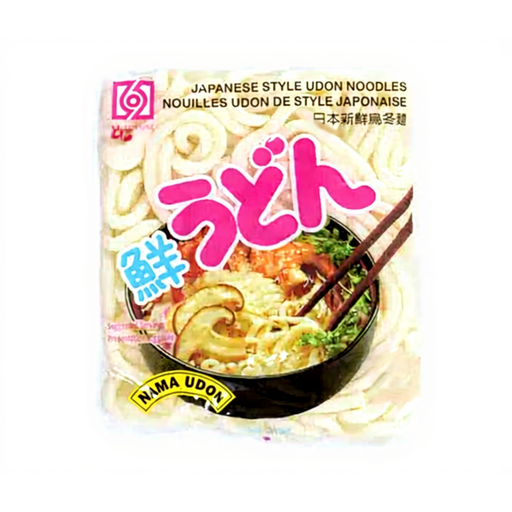
Why It's a Great Choice: The pre-cooked udon from Golden Lion are designed for maximum convenience. Heated in just one minute in boiling water or directly in the wok, they are ready to serve immediately. The addition of tapioca starch gives the noodles a characteristic chewiness that is retained even with a short preparation time.
Pros:
Best For: Perfect for busy professionals, students, and anyone who wants to prepare a quick yet satisfying meal. A very good option if you're looking for buying Japanese noodles that are hassle-free.
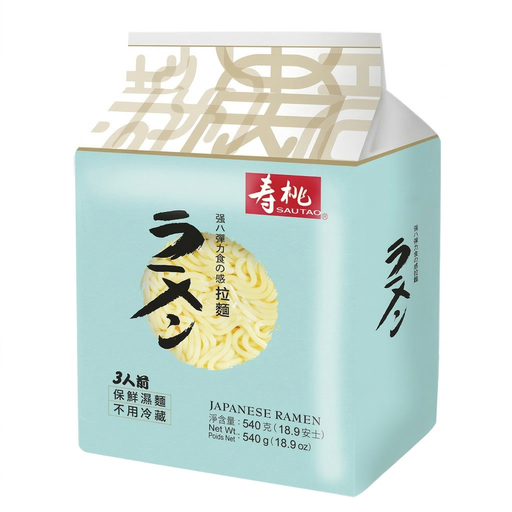
Why It's a Great Choice: As an alternative to thick udon, these ramen noodles offer a different but equally authentic experience. They are non-fried, making them a lighter option. According to the manufacturer, they contain only 0.5 g of fat and 0.2 g of salt per 100 g. Their firm and smooth texture makes them a versatile base for classic ramen soups.
Pros:
Best For: This product is aimed at ramen lovers and anyone looking for a lighter noodle variety without sacrificing authentic taste.
Your search for the perfect noodles doesn't have to end here. If you are looking for other options like soba, somen, or more specialised regional varieties, you can find a wider selection in our Oriental foods category to bring your culinary projects to life.
1. What is the difference between udon and ramen noodles? The main difference lies in the thickness and ingredients. Udon noodles are thick, soft noodles made only from wheat flour, water, and salt. Ramen noodles are significantly thinner and also contain an alkaline solution (kansui), which gives them a springy texture and a slightly yellowish colour.
2. How long do pre-cooked udon noodles last? Unopened, vacuum-packed pre-cooked udon can be stored in a cool, dry place for several months. You can find the exact best-before date on the packaging. Once opened, the noodles should be stored in the refrigerator and consumed within about two days.
3. Can you use udon noodles for stir-fries? Yes, udon are excellent for stir-fry dishes. The most famous dish is Yaki Udon, where the noodles are fried with meat, vegetables, and sauce. Pre-cooked udon are particularly practical for this, as they can be added directly from the package into the hot wok.