
Lieferung heute & morgen

Qualitätsgarantie

Willkommens-Angebote freischalten: KOSTENLOSE Lieferung | Bis zu 80 % RABATT | Kostenlose 30-Tage-JoyPlus-Testphase
App herunterladen
The selection of Udon Noodles at the supermarket or online can be extensive. Whether fresh and vacuum-sealed, classic dried, or part of a ready-to-eat meal kit, finding the right type is key to the success of your dish. This guide is designed to help you understand the different varieties of udon noodles and make an informed purchasing decision that fits your cooking plans.
As your Joybuy Product Recommendation Officer, I have analysed the available information to offer you clear and objective guidance.
Before you buy Udon noodles, the following three criteria will help you identify the right product for your needs.
The form in which the noodles are sold directly impacts their texture, cooking time, and shelf life.
A look at the ingredient list reveals the quality and character of the noodles. Traditional Japanese noodles often consist of just three ingredients: wheat flour, water, and salt. A short and simple ingredient list is often a sign of an authentic product. If you value organic farming, look for products with the appropriate certification, such as organic Udon noodles.
Consider which dish you want to prepare.
Based on the criteria above, we have compiled a selection of different udon noodle types that cater to various needs.
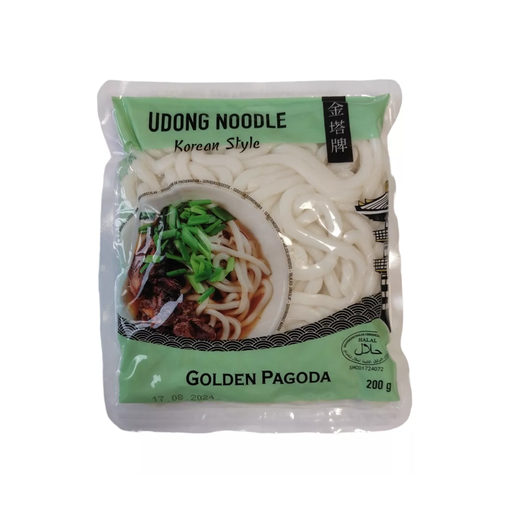
Why It Stands Out: These pre-cooked, fresh Korean-style udon noodles are designed for quick and hassle-free preparation. Their neutral flavour base makes them a versatile vehicle for sauces and broths.
Pros:
Best For: Individuals looking for a quick and practical base for authentic Asian dishes who want to spend minimal time on preparation.
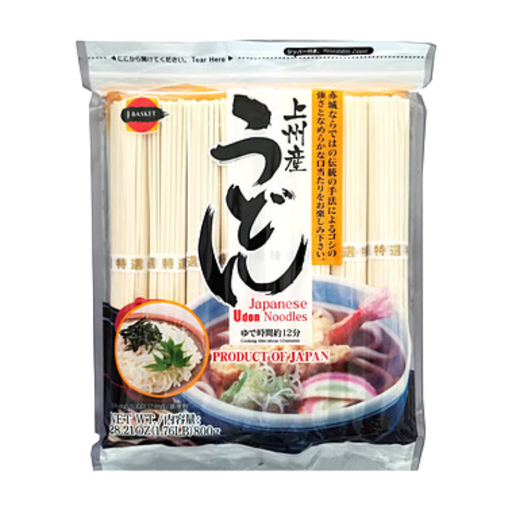
Why It Stands Out: These dried udon noodles are made according to a traditional Japanese recipe, offering an authentic, firm, and smooth texture. The bulk package is convenient for stocking up.
Pros:
Best For: Home cooks who value authentic noodle flavour and like to keep a stock of basic ingredients for Japanese cuisine.
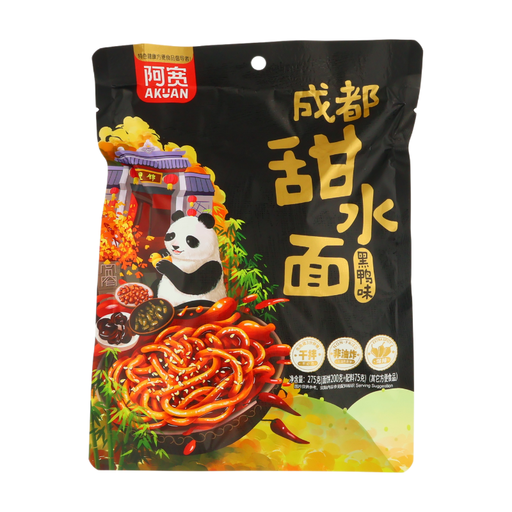
Why It Stands Out: This product is more than just noodles—it's a complete instant meal. It combines soft udon noodles with a complex sweet and spicy sauce, vegetables, and peanuts for a complete Chengdu-style dish.
Pros:
Best For: Those looking for an extremely quick, convenient, and flavour-packed meal who appreciate the tastes of Sichuan cuisine.
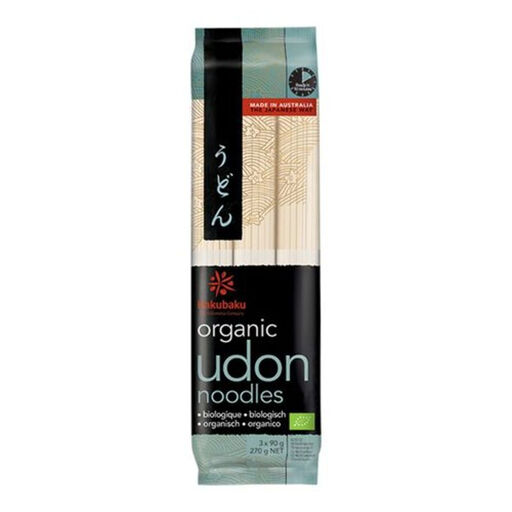
Why It Stands Out: These organic Udon noodles from Hakubaku are made from certified organic wheat flour. The package is conveniently divided into three 90g portions, which makes serving easy.
Pros:
Best For: Health-conscious consumers who prefer organic quality and appreciate an easy way to control portions.
Didn't find the right product for your next dish? Udon is just one of many wheat-based noodle varieties. Explore our entire range of Asian wheat noodles for even more selection and inspiration.
1. What is the difference between udon and ramen noodles? The main difference lies in their thickness and texture. Udon noodles are the thickest Japanese noodles, made from wheat flour, water, and salt. They have a soft and chewy consistency. Ramen noodles are significantly thinner and more elastic. They often get their characteristic yellowish colour and springy texture from the addition of kansui, an alkaline water.
2. How do you cook udon noodles correctly? The preparation depends on the type of noodle.
3. Are udon noodles a healthy option? Udon noodles are primarily a source of carbohydrates and provide energy. Their nutritional value as a meal depends heavily on the preparation method. When served in a clear broth with plenty of vegetables, lean protein (like tofu or chicken), and minimal oil, they can be part of a balanced diet. Products that are organic or have a simple ingredient list are often a great choice for mindful eating.
All product information is based on manufacturer data at the time of publication [2026-07-14]. Please always check the product packaging for the most up-to-date information on ingredients, allergens, and nutritional values.
Joy, Your Joybuy Product Recommendation Officer