
Lieferung heute & morgen

Qualitätsgarantie

Willkommens-Angebote freischalten: KOSTENLOSE Lieferung | Bis zu 80 % RABATT | Kostenlose 30-Tage-JoyPlus-Testphase
App herunterladen
Finding the right Bluetooth speaker can quickly become overwhelming. The market is flooded with models that advertise impressive specs and technical jargon. But not every claim lives up to its promise. As your Joybuy Product Recommendation Officer, I'll help you identify the features that truly matter and steer clear of common purchasing traps, so you can make an informed decision.
Many marketing claims are technically correct but misleading in everyday use. Pay close attention to these three points to avoid disappointment:
To find the right portable speaker for your needs, you should focus on objective and comparable criteria.
Instead of just looking at the maximum hour rating, check the testing conditions. You can get a realistic estimate by assuming about 60–70% of the manufacturer's stated time at normal to high volume. A modern USB-C port is now standard and often allows for faster charging times. Some models even double as a power bank to charge your smartphone on the go, which is especially practical for an outdoor speaker.
The IP (Ingress Protection) rating indicates how well a device is protected against the entry of foreign objects (first digit) and water (second digit).
Sound quality depends on the tuning of all components. Look for the driver configuration (e.g., separate tweeters and woofers) and the presence of passive radiators, which enhance bass response. Modern speakers often offer additional features that improve the listening experience:
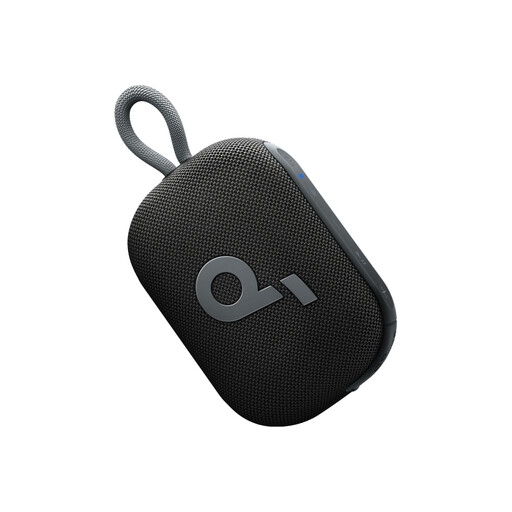
Why This Fits Their Persona: Perfect for hikes, the beach, or bike rides. Its lightweight design, integrated carrying strap, and rugged build make it a hassle-free companion for anyone who wants to take their music everywhere.
The IP67 certification is a clear, reliable spec that guarantees protection against dust and temporary submersion. This sidesteps the trap of vague "water-resistant" claims. The stated 20-hour battery life is a solid figure for such a compact device.
Complete dust and water protection (IP67) and the ability to float make it exceptionally durable. The option for TWS Stereo Pairing expands the soundstage when needed.

Why This Fits Their Persona: This party speaker is designed for large gatherings and celebrations. With powerful sound, a selectable bass boost, long battery life, and atmospheric light effects, it delivers the complete package for any indoor or outdoor event.
Instead of just advertising wattage, Sony focuses on its sound technology: the ULT button offers two clearly defined bass modes ("Deep Bass" and "Attack Bass"). This bypasses the wattage myth by focusing on tangible sound quality rather than an abstract number.
The selectable Sony ULT bass boost for powerful sound, up to 30 hours of battery life, and an additional mic/guitar input for karaoke make it extremely versatile. The IP67 certification ensures its durability.
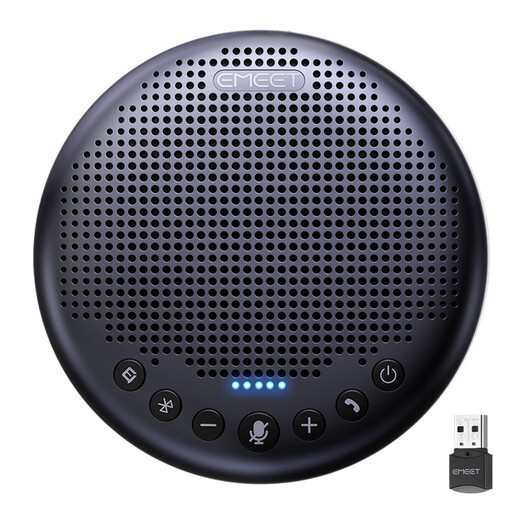
Why This Fits Their Persona: For professionals who need crystal-clear communication in their home office or in hybrid meetings. This conference speaker is specialised to capture voices accurately and minimise disruptive background noise.
This device avoids the typical marketing traps because it doesn't focus on volume or bass. Its value lies in a highly specialised function: voice clarity. The 360° voice pickup and AI noise reduction are concrete, verifiable performance features.
The 8-mic array provides 360° voice pickup, while the VoiceIA technology effectively filters out ambient noise like keyboard clicks or air conditioning. This ensures professional call quality in any environment.
We've compiled a complete, up-to-date list of products that meet these strict selection criteria and comply with current safety regulations.
1. What does the IP rating on a Bluetooth speaker mean? The IP rating consists of two digits. The first (0-6) describes protection against foreign objects like dust, and the second (0-9) describes protection against water. For example, an outdoor speaker with an IP67 rating is dust-tight (6) and can be temporarily submerged in water (7), making it very rugged.
2. How important is the wattage rating really? The wattage (power) rating is only an indicator of potential maximum volume and says little about the sound quality. A well-tuned 15-watt speaker with high-quality drivers and passive radiators can sound significantly better than a poorly designed 30-watt speaker. Pay more attention to the description of the audio components and sound technologies used.
3. Can you pair two Bluetooth speakers for stereo sound? Yes, many modern speakers support TWS Stereo Pairing (True Wireless Stereo). This allows you to wirelessly connect two identical speaker models. One speaker then handles the left audio channel and the other handles the right, resulting in a much more spatial and immersive listening experience. Check the product specifications to see if this feature is supported.