
Lieferung heute & morgen

Qualitätsgarantie

Willkommens-Angebote freischalten: KOSTENLOSE Lieferung | Bis zu 80 % RABATT | Kostenlose 30-Tage-JoyPlus-Testphase
App herunterladen
For many, the aroma of freshly ground coffee is the epitome of a perfect start to the day. Yet, the path to the perfect cup is often paved with disappointment, even when using high-quality beans. The cause frequently lies in choosing the wrong coffee grinder. Before you make a decision, it's crucial to understand the common pitfalls that often lead to unsatisfying results and unnecessary expenses.
The 3 most common mistakes when buying a coffee grinder:
To avoid these mistakes, it helps to understand the fundamental technical features of a coffee grinder. These largely determine the quality of the grounds and, consequently, the final result in your cup.
The heart of any good coffee grinder is its burr set. There are two main types:
The material of the burrs also plays a role in durability and performance:
The ability to precisely adjust the grind size is essential to unlocking the full potential of your coffee beans.
The choice of the right grinder depends heavily on your personal habits and requirements. Here are some recommendations tailored to different user profiles.
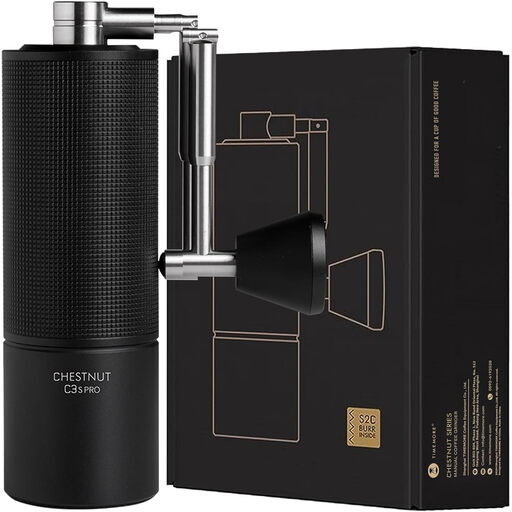
Why This Fits Their Persona: Ideal for coffee lovers transitioning from pre-ground coffee and wanting to learn the fundamentals of grinding. This manual coffee grinder offers full control over the process without the complexity or price of an electric model.
It uses a precise stainless steel conical burr set instead of a blade, thus avoiding the trap of inconsistent grind results. The simple disassembly makes cleaning easy and prevents rancid coffee residue.
The aluminum alloy body ensures durability. The stepped grind adjustment is intuitive and delivers reproducible results for various brewing methods.

Why This Fits Their Persona: For users who experiment with espresso, pour-over, and other methods and require a precise, consistent grind. This electric coffee grinder provides the necessary control for demanding preparations.
With 36 grind settings and a 48mm conical burr set made of CNC-machined steel, it bypasses the trap of inconsistent grind sizes. It delivers a homogeneous grind that is fine enough for espresso.
The slow-speed grinding option (400 RPM) reduces heat buildup and preserves aroma. The anti-static coating and powder knocker minimize coffee ground retention.
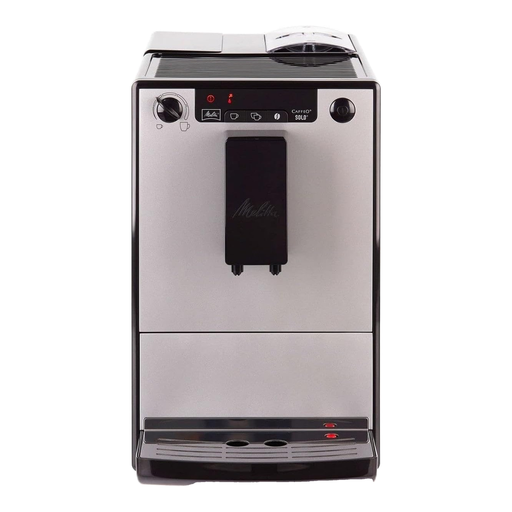
Why This Fits Their Persona: Perfect for anyone who wants the pleasure of freshly ground coffee without the hassle of separate devices. This fully automatic coffee machine with a built-in grinder does everything at the touch of a button—from grinding to brewing.
As an integrated system, it bypasses the complexity of choosing a separate grinder. The automatic cleaning function directly addresses the pitfall of neglected hygiene, ensuring a consistently fresh taste.
The Aroma-Extraction-System pre-wets the beans before brewing to intensify the aroma. Its compact design and height-adjustable spout make it practical for any kitchen.
We've compiled a complete, up-to-date list of products that fully meet these strict selection criteria and German safety regulations.
For an optimal taste experience, it is recommended to clean your coffee grinder regularly. With daily use, loose coffee grounds should be removed with a brush every few days. A more thorough cleaning, where the burrs are disassembled (if possible) to remove oily deposits, is advisable every 2-4 weeks. This prevents rancid oils from affecting the taste of your fresh coffee.
Choosing the right grind size is crucial for extraction. Here is a simple guide:
Yes, the difference is significant. A burr grinder (conical or flat) crushes the beans by grinding them to a consistent particle size. This allows for an even extraction of flavors. A blade grinder, on the other hand, shatters the beans randomly, resulting in a mix of dust and coarse chunks. The fine dust over-extracts and makes the coffee bitter, while the coarse pieces under-extract, making it taste watery. For a controlled and aromatic result, a burr grinder is the indispensable choice.