
Lieferung heute & morgen

Qualitätsgarantie

Willkommens-Angebote freischalten: KOSTENLOSE Lieferung | Bis zu 80 % RABATT | Kostenlose 30-Tage-JoyPlus-Testphase
App herunterladen
The search for the perfect prunes can be more complex than you might first imagine. Whether you're looking for a high-fibre, natural snack to aid digestion, an ingredient for baking, or are intrigued by the complex flavours of Asian specialities, the range of options is vast. This guide is designed to help you understand the differences between various types of prunes and make an informed decision that suits your needs and tastes.
To find the right product, it helps to know a few basic criteria. The most important distinguishing features lie in the production method, ingredients, and intended use.
Perhaps the biggest difference lies in the processing. Classic dried prunes, as they are known in Europe, are typically pitted and gently dried until they reach a soft, juicy consistency. Their flavour is naturally sweet and fruity. In contrast, Asian prunes often undergo a more elaborate process. These preserved plums are frequently marinated in a mixture of sugar, salt, liquorice, or other spices, giving them a characteristic sweet-and-sour and sometimes salty flavour profile. These products, often referred to as Chinese plums, are designed as a standalone snack.
A close look at the ingredients list is crucial. If you're looking for prunes without added sugar, classic dried prunes are the right choice. These contain only the sugar naturally present in the fruit. Many Asian varieties, on the other hand, contain added sugar or sweeteners to achieve the desired balance of flavours. Look for terms like sugar, glucose syrup, or specific sweeteners (e.g., aspartame, sucralose) to ensure the product aligns with your dietary preferences.
Consider how you plan to use the prunes. Individually wrapped, seasoned plums are an ideal prune snack for on the go. They are ready to eat and require no further preparation. Larger packs of natural dried prunes, however, are excellent as an ingredient for muesli, yoghurt, for baking cakes and bread, or for making savoury sauces.
Based on these criteria, we have curated a selection of different prunes that cater to various tastes and uses.
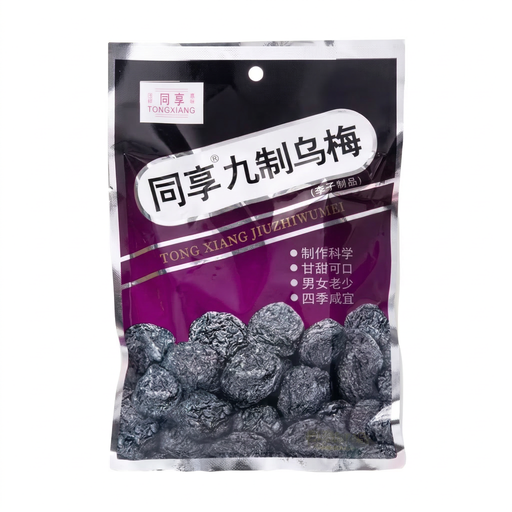
View Product: Tong Xiang Multi-stewed Preserved Dark Plum 90 g
Why This Product Stands Out These preserved plums are made using a traditional process that ensures a balanced ratio of sweet, sour, and salty notes. The addition of liquorice and honey gives them a special depth of flavour.
Benefits
Who It's For This product is aimed at fans of traditional Asian snacks who are looking for an intense and flavourful taste experience.

View Product: Liu Liu Prune Green Plum Green Tea Flavor 160g
Why This Product Stands Out With a high fruit content of 91.8% green plums and a hint of green tea extract, this snack offers a refreshing and authentic taste experience. The combination of fruit and tea is a modern interpretation of the classic plum snack.
Benefits
Who It's For Ideal for those who prefer a fruity-tart snack with a unique, modern flavour profile and appreciate the combination of fruit and tea.

View Product: Seeberger Pitted Soft Prunes 200g
Why This Product Stands Out These classic dried prunes are made with no added sugar or preservatives. They consist solely of dried plums and impress with their natural sweetness and juicy consistency.
Benefits
Who It's For Perfect for health-conscious consumers looking for pure prunes without added sugar and who prefer a versatile product for everyday use.
The world of prunes is vast and offers something for every palate. If you wish to explore more varieties or other dried fruits, you can find additional choices in our broader category.
Discover more Plum Seeds & Dried Fruits here
The terms "prunes" and "dried plums" are generally used interchangeably. Both refer to plums that have had their water content removed through a drying process. "Prune" is the more common and traditional term.
Prunes are well-known for their high fibre content. A diet rich in fibre contributes to normal digestive function. It is advisable to consume them as part of a balanced diet.
After opening, prunes should be stored in an airtight container in a cool, dry place. This protects them from drying out and from moisture, which helps maintain their quality and freshness for longer.