
Lieferung heute & morgen

Qualitätsgarantie

Willkommens-Angebote freischalten: KOSTENLOSE Lieferung | Bis zu 80 % RABATT | Kostenlose 30-Tage-JoyPlus-Testphase
App herunterladen
The idea is appealing: a single device that not only vacuums and mops but also cleans, dries, and prepares itself for the next job. A robot vacuum and mop with a cleaning station promises just that—the ultimate in autonomous floor care. However, the market is flooded with marketing promises that often fall short in practice. Before you make a considerable investment, it's crucial to understand the common pitfalls that lead to disappointment and unnecessary expense.
As your Joybuy Product Recommendation Officer, I'm here to help you separate the wheat from the chaff. We'll shine a light on the three most common shortcomings that many models only reveal after purchase, and show you which technical features you truly need to look for.
The 3 Most Common Pitfalls of All-in-One Robot Vacuums:
To get real value for your money, you should base your purchase decision on objective technical specifications. Three areas are of central importance here.
A true all-in-one robot vacuum is distinguished by a station that does more than just empty dust. Look for the following features that genuinely minimise maintenance:
A robot's ability to move through your home intelligently and without gaps is fundamental.
High suction power is important, but it's only effective in combination with the right brush system.
Based on the criteria above, we have identified a few models suited for specific user profiles.
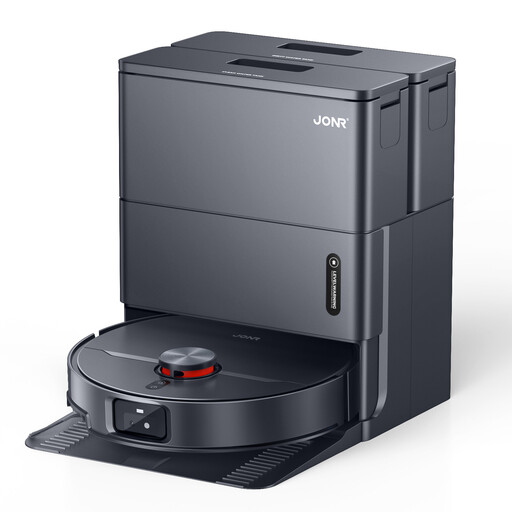
Why This Fits Their Persona: Ideal for tech-savvy users seeking a nearly maintenance-free solution with the highest standard of hygiene. The combination of edge cleaning and hot water washing covers the most demanding needs.
The extendable arms effectively solve the "Edge Neglect" problem. The station, with its 75°C (167°F) hot water mop wash and hot air drying, prevents the "Self-Cleaning" trap and ensures hygienically clean mops.
The combination of 20 kPa suction power and extendable cleaning arms provides a thorough clean from corner to edge. The fully automatic station reduces manual effort to an absolute minimum.
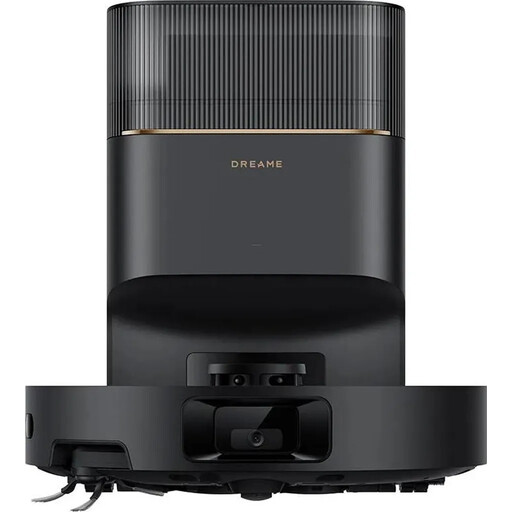
Why This Fits Their Persona: For pet owners whose main concern is the daily removal of hair without constantly having to clean the brush. The station's large dust capacity is another advantage for handling high volumes of debris.
According to the manufacturer, the HyperStream Detangling DuoBrush system is designed to be 100% tangle-free. This directly addresses the "Hair Entanglement Problem" and reduces maintenance.
The combination of 13,000 Pa suction power and the specialised anti-hair brush ensures effective pet hair pickup. The 5-litre dust bag in the station allows for emptying intervals of up to 150 days.
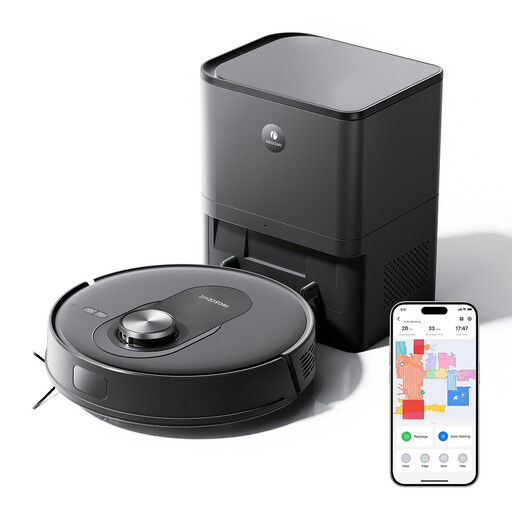
Why This Fits Their Persona: For users who want a reliable vacuum and mop solution with automatic dust disposal but can forgo premium features like hot water washing. A solid entry point into the world of fully automated floor cleaning.
This model offers a true robot vacuum and mop with station solution that automatically empties the dustbin. It avoids the simplest trap of being just a charging station and offers up to 60 days of autonomy for dust disposal.
With 8000 Pa suction power and precise 360° LiDAR navigation, the device delivers solid cleaning performance. The app control allows for detailed customisation of cleaning routines to suit your needs.
We have compiled a complete, up-to-date list of products that fully meet these strict selection criteria and safety regulations.
The maintenance effort largely depends on the station's features. For a robot mop with an auto-empty dock, hot water washing, and drying, maintenance is limited to a few simple tasks: the dirty water tank needs to be emptied and the fresh water tank refilled approximately every one to two weeks. The dust bag in the station only needs to be replaced every 60 to 150 days, depending on the model and the amount of dirt. The station itself should be cleaned occasionally according to the manufacturer's instructions to prevent build-up.
Yes, modern devices are designed for this. They feature automatic carpet detection. When the robot moves onto a carpet, it automatically lifts its mop pads to avoid wetting the carpet. At the same time, the suction power is usually increased to remove deep-seated dirt from the fibres. This allows for a seamless transition between hard floors and carpets in a single cleaning run.
The thoroughness of edge cleaning has improved significantly in recent years. While basic round robots still leave an uncleaned border, advanced models use special technologies. These include extendable side brushes or mops that dynamically adapt to walls and furniture edges. These systems can reduce the distance to the wall to just a few millimetres, achieving a nearly gap-free clean that makes manual touch-ups obsolete.