
Lieferung heute & morgen

Qualitätsgarantie

Willkommens-Angebote freischalten: KOSTENLOSE Lieferung | Bis zu 80 % RABATT | Kostenlose 30-Tage-JoyPlus-Testphase
App herunterladen
The search for the right RC car can quickly become overwhelming. Whether as a gift for boys and girls or for your own recreational fun, the market is flooded with models that promise a lot at first glance. But disappointment often follows when the expensive toy stops working after just a few off-road trips or its advertised features fail to impress in practice.
As your Joybuy Product Recommendation Officer, I'm here to help you navigate the marketing jungle. In this guide, I'll show you the most common pitfalls when buying a remote-controlled car and which objective features you should look for to make a durable and enjoyable choice.
Many buyers regret their decision because they fall for common marketing tricks. Pay close attention to these three points to avoid a bad purchase:
To make an informed decision, you should focus on verifiable technical specifications rather than marketing promises.
An RC car can be powered by either two wheels (2WD, rear- or front-wheel drive) or four wheels (4WD, all-wheel drive).
The durability of a remote-controlled car depends directly on the materials used in its construction.
The remote control is the interface between the driver and the vehicle.
Instead of presenting a confusing list, we have selected models that meet specific requirements and avoid the pitfalls mentioned earlier.
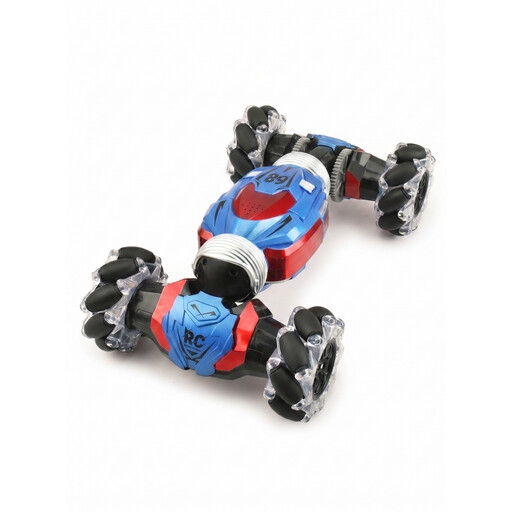
Why This Fits Their Persona: Ideal for kids and teens who want more than just driving. The combination of gesture control, transformation capability, and Mecanum wheels enables unique stunts like sideways drifting, which are not possible with conventional cars.
The robust, bionic spine structure and high-quality Mecanum wheels withstand intensive use, thus avoiding the inferior materials trap.
Dual controls (handheld remote and gesture watch) and the ability to transform at the push of a button offer varied and long-lasting fun.
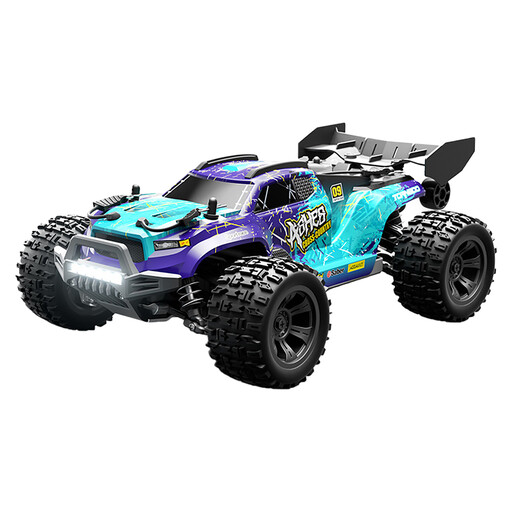
Why This Fits Their Persona: Perfect for teens and adults looking for a robust vehicle for real off-road terrain. With its high-torque motor and reinforced chassis, this model provides a solid foundation for challenging drives in sand, grass, or mud.
The reinforced aluminum-metal chassis and high-strength body parts withstand crashes and collisions, escaping the trap of cheap plastic constructions.
The 7.4V 1500mAh lithium battery ensures extended runtime, while the professional 2.4 GHz transmitter allows for precise control over speed and steering.
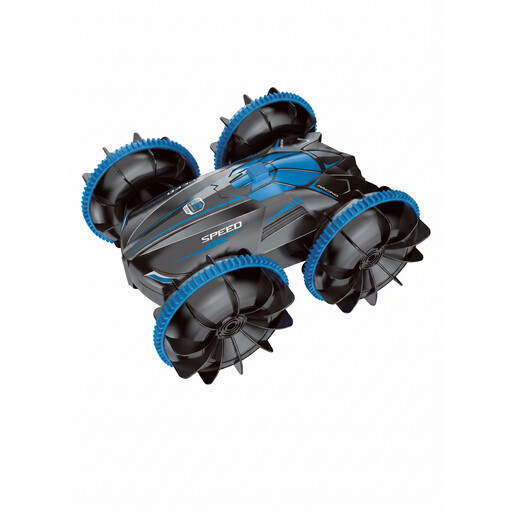
Why This Fits Their Persona: The ideal remote-controlled car for kids who don't want to miss out on action, no matter the weather. Whether in the pool, at the beach, or on the lawn—this amphibious vehicle handles it all, making it the perfect all-season toy.
This model is a true amphibious vehicle with a sealed body and propeller tires. It bypasses the "waterproof" lie, as it is explicitly designed for use in water.
The combination of amphibious capability, 360° stunts, and dual controls (including gesture control) offers enormous play variety for indoors and outdoors.
We have compiled a complete, up-to-date list of products that fully meet these strict selection criteria and safety regulations.
1. How long does an RC car's battery last, and how long does it take to charge? Battery life varies greatly depending on the model and driving style, typically ranging from 15 to 40 minutes. Higher-quality models often come with more powerful batteries (e.g., 1500mAh) or even a second spare battery to extend playtime. Charging time is usually 90 minutes to 3 hours. Look for models with a USB charging cable for more flexibility.
2. What does 2.4 GHz mean for a remote-controlled car? The 2.4 GHz specification refers to the frequency of the radio signal between the remote and the vehicle. This modern technology prevents interference from other electronic devices or other RC cars. It allows multiple drivers to operate their vehicles simultaneously without the signals crossing—ideal for racing with friends.
3. Is an RC car with all-wheel drive (4WD) really necessary? That depends on the intended use. For driving on flat surfaces like asphalt or indoors, a more affordable 2WD model is often sufficient. However, if the car is to be used as an off-road monster truck in the garden, on lawns, gravel, or in the woods, a 4WD drivetrain is highly recommended. It provides the necessary traction and power to overcome obstacles and ensures more stable handling.