
Lieferung heute & morgen

Qualitätsgarantie

Willkommens-Angebote freischalten: KOSTENLOSE Lieferung | Bis zu 80 % RABATT | Kostenlose 30-Tage-JoyPlus-Testphase
App herunterladen
An ultralight 2-person tent needs to take up minimal space in your rucksack, offer protection in changeable weather, and be quick and easy to pitch. In practice, however, unclear weight specifications, cramped interiors and exaggerated material claims often lead to disappointing purchases.
This buying guide explains which technical specifications really matter for a waterproof trekking tent, who each model suits best, and which accessories can make a useful addition to your hiking and mountain trips.
Some tents only list the net weight of the inner and outer tent. Pegs, guy lines, stuff sacks and repair materials can add extra grams. Before you buy, check whether the figure refers to the net weight, the minimum weight or the full packed weight.
For long-distance hikes, the packed size is also important. A tent weighing around 1.18 kg with a packed size of 48 × 11 × 11 cm will fit far more easily into your rucksack than a bulky model of similar weight.
The hydrostatic head describes the pressure the fabric can withstand under laboratory conditions. However, it doesn’t tell you how the tent will perform in persistent rain, wind pressure, worn seams or incorrect guying out.
That’s why several factors matter:
For the Mobi Garden YADEEN UL2 20D, the manufacturer states a PU rating of 2000 mm and sealed groundsheet seams. That’s a clear technical specification, but no guarantee of dry conditions in every kind of weather.
A 20D nylon tent uses a lightweight fabric. This reduces the packed weight, but demands careful use around sharp stones, thorns and rough ground. You should also check the usable internal width: two sleeping spots don’t automatically mean enough room for wide sleeping mats or gear.
For two people, two entrances and two vestibules are practical. They make getting in and out easier, reduce disturbance to your companion, and provide separate storage areas. A large mesh inner tent aids airflow, but can mean greater heat loss in cold wind.
An ultralight backpacking tent should be considered in relation to its interior space, weather protection and features. On long trails, every extra gram counts, but the tent mustn’t be so cramped that your sleep quality or gear organisation suffers.
Look out for:
Ripstop structures can help limit the risk of small tears under point stress, but they don’t replace careful use. A coated groundsheet with sealed seams is especially important for a waterproof trekking tent. After use, the tent should be fully dried before being stored for any length of time.
According to the product specifications, the YADEEN UL2 20D uses 20D ripstop nylon for the outer tent, nylon mesh for the inner tent, and a reinforced 20D nylon groundsheet. This combination is designed for low weight. In heavy rain or demanding conditions, the tent must be correctly guyed out.
A trekking tent with aluminium poles is generally lighter than many steel-pole designs. What really matters, though, are the connection points, the geometry, and the ability to stabilise the tent with guy lines.
The YADEEN UL2 uses ultralight aluminium poles. According to the manufacturer, the design is intended for 3-season camping and windy conditions. It is not a winter tent for snowstorms or extreme exposed sites. A wind-stable outdoor tent also depends on your choice of pitch, how you place the pegs, and correct tensioning.
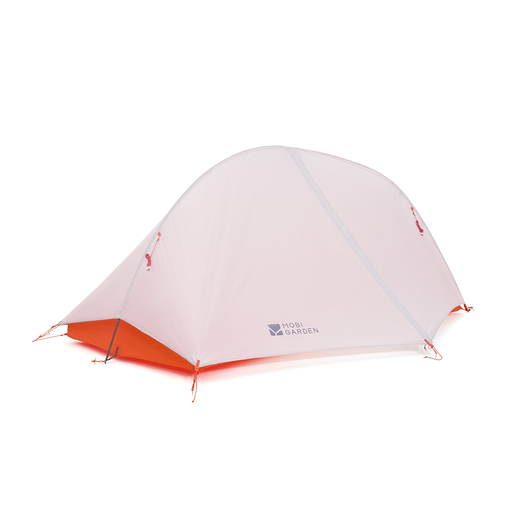
Why this product fits the profile: This tent is aimed at two people who want to combine low weight, aluminium poles and a compact packed size on long-distance hikes and 3-season trips.
The product lists specific values for material, packed size, weight and hydrostatic head. Two entrances, mesh panels and guying points help with access and ventilation.
Approx. 1.18 kg net weight, packed size of 48 × 11 × 11 cm, 20D nylon and aluminium poles according to the manufacturer’s specifications.
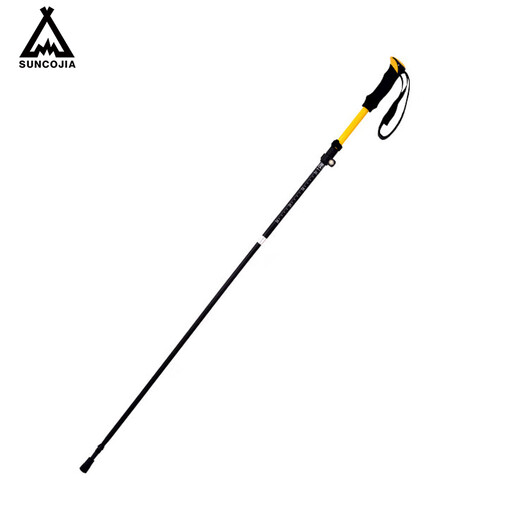
Why this product fits the profile: As a complementary accessory, these compact trekking poles are ideal for beginners who want to carry their lightweight two-person camping tent on hikes with the help of an extra walking aid.
The specifications mention not only the material, but also the folded size, length and locking mechanism. Before use, make sure the ABS lock is fully engaged.
7075 aluminium alloy according to the product description, extendable to 125 cm, folded length 34 cm and weight 275 g.
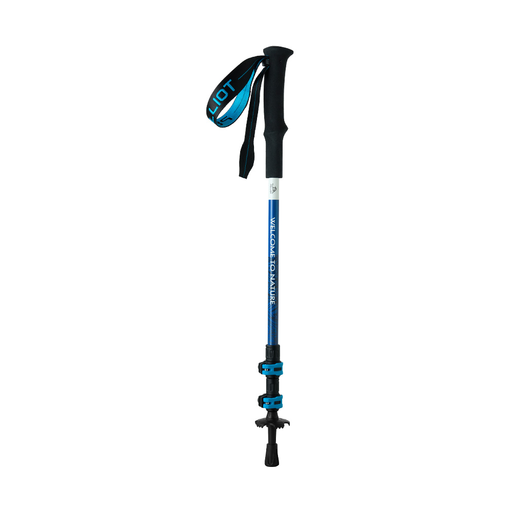
Why this product fits the profile: This four-section telescopic pole is intended as an addition for frequent trekking trips and varying transport needs, not as a replacement for tent poles.
The four-section design makes compact storage easier. Buyers should check all segments and locks are secure before heading out on a trip.
Four-section telescopic construction and aluminium alloy according to the product name; suitable for supplementing a trekking kit.
We’ve put together a full, regularly updated list of products that meet these strict selection criteria and comply with all EU safety regulations.
Choose a spot that is as level, stone-free and wind-sheltered as possible. When pitching the YADEEN UL2, first connect the aluminium poles and attach them to the inner tent. Then drape the outer tent over the top and secure it at the colour-coded points. Place the pegs so that the fabric is taut without wrinkles, but not over-stretched.
For care, follow these simple rules:
A hydrostatic head of 2000 mm on the outer tent and sealed groundsheet seams are useful benchmarks. In addition, the fabric quality, condition of the coating, seam sealing and correct pitching all matter. The hydrostatic head alone does not tell you the whole story about weather performance.
First, clear the ground of any sharp objects. Then connect the poles and inner tent, attach the outer tent over the top, and tension all guying points evenly. Ventilation openings should not be completely blocked, even in rain, to reduce condensation.
The lifespan depends on UV exposure, moisture, frequency of use, ground conditions and care. A lightweight 20D nylon tent should be stored dry and loosely, and protected from sharp objects. Check damaged seams or coatings early on.