
Lieferung heute & morgen

Qualitätsgarantie

Willkommens-Angebote freischalten: KOSTENLOSE Lieferung | Bis zu 80 % RABATT | Kostenlose 30-Tage-JoyPlus-Testphase
App herunterladen
A cluttered sink area is more than just an eyesore. Wet sponges, brushes, and dish soap bottles lying around not only create a mess but can also become a breeding ground for germs. A well-chosen sink organizer promises to solve this problem. However, the market is flooded with products whose weaknesses only become apparent through daily use. Many buyers invest in solutions that become unusable after just a few months.
This guide will show you the critical features to look for to avoid buyer's remorse. We'll focus on the most common pitfalls and the key product characteristics that ensure long-lasting order and hygiene at your sink.
Before choosing a model, it's helpful to understand the typical problems that arise with low-quality products. These three flaws most often lead to frustration and unnecessary expense:
To avoid the problems mentioned above, you should base your choice on three objective criteria. These will determine the durability, functionality, and hygiene of your new sink-side kitchen helper.
The material is the foundation of durability. There are clear quality differences here:
The way an organizer is constructed determines its real-world usability. A good sink utensil holder must allow for quick and complete drying of your tools.
Instead of making a one-size-fits-all recommendation, we have selected products tailored to specific needs and kitchen setups.
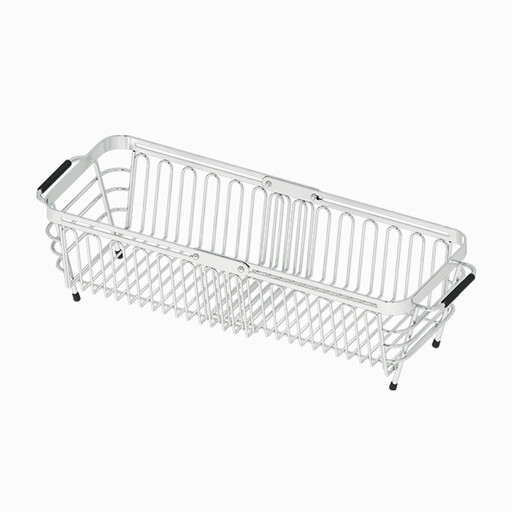
Why This Fits Their Persona: Ideal for users with limited counter space who need a multifunctional solution. This product serves as a drying rack, organizer, and colander in one, freeing up valuable space.
The 304 stainless steel construction prevents rust. Its fine mesh design ensures excellent drainage directly into the sink, completely bypassing the problem of stagnant water.
The extendable frame adjusts from 29 cm to 44 cm to fit most standard sinks. No permanent installation is required.
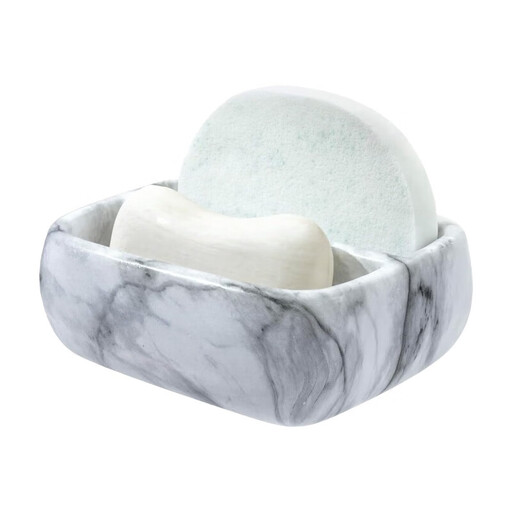
Why This Fits Their Persona: For those who value a cohesive aesthetic in their kitchen. This holder is less a purely functional item and more a decorative accessory that also creates order.
As a solid, freestanding model, it bypasses the issue of unstable suction cups. The heavy resin material ensures a secure footing. Its smooth surface is easy to clean, even without drainage holes.
The elegant marble finish visually upgrades the sink area. Two separate compartments allow for the neat storage of two sponges or a sponge and a brush.
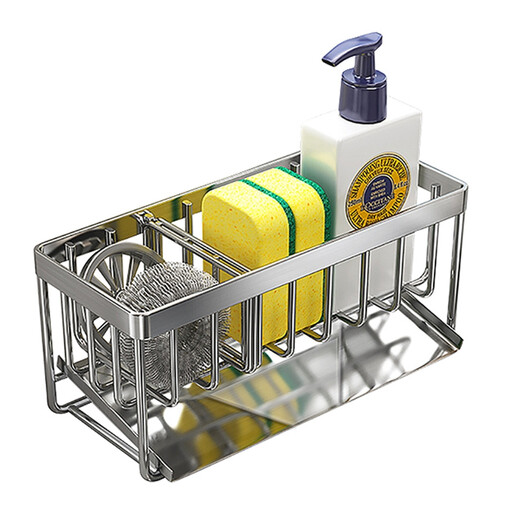
Why This Fits Their Persona: Perfect for users seeking a compact, durable, and well-designed all-in-one solution. This organizer consolidates all essential tools in one place without taking up much space.
The 304 stainless steel construction prevents rust. The open design and elevated base with a drip tray ensure good ventilation and prevent water pooling, which improves hygiene.
An integrated soap dispenser and separate compartments for a brush and sponge provide maximum organization in a minimal footprint. The stable, freestanding design is ready to use out of the box.
We have compiled a complete, up-to-date list of products that fully meet these strict selection criteria and all applicable safety standards.
Regardless of the material, every organizer should be cleaned at least once a week. Models with removable drip trays have an advantage here. Rinse the holder with warm water and mild dish soap. For stainless steel models, avoid using abrasive sponges to prevent scratching the surface. Let all parts air dry completely before reassembling.
304 stainless steel offers very high corrosion resistance and is the standard choice for high-quality kitchen equipment. Under normal household conditions, this material will not rust. However, aggressive cleaning agents (e.g., those with high chlorine content) or flash rust from other metallic objects in the sink can lead to superficial spots. These can usually be removed with a dedicated stainless steel cleaner.
An extendable or telescopic holder offers maximum flexibility. It can be adjusted to fit different sink sizes and utilizes the often-unused space directly over the basin. This is especially advantageous in small kitchens, as it keeps the countertop free. Additionally, water from dishes or washed vegetables can drip directly into the sink, keeping your work surface dry and clean.