
Lieferung heute & morgen

Qualitätsgarantie

Willkommens-Angebote freischalten: KOSTENLOSE Lieferung | Bis zu 80 % RABATT | Kostenlose 30-Tage-JoyPlus-Testphase
App herunterladen
When the time for complementary foods begins, many parents face the question: Which follow-on formula is the right supplement? The range of infant nutrition is vast, and the differences are not always apparent at first glance. Keeping your bearings between different stages, brands, and ingredients is a challenge. This guide will help you understand the most important criteria and avoid common pitfalls when buying, so you can make an informed decision for your child.
The selection of the right baby milk from 6 months is often complicated by marketing claims and an overwhelming product variety. Many parents invest in products that are not optimally suited to their child's needs. Here are three common points that lead to uncertainty:
To find the right infant formula, you should focus on objective and verifiable criteria. These three parameters provide a solid foundation for your choice.
The most important distinction lies in the age stage for which the baby milk powder is designed. The composition, especially the protein content, is adapted to the child's developmental stage.
The EU regulation for infant nutrition ensures that all products sold in Germany offer a safe and nutritious base.
All follow-on formulas contain a blend of vegetable oils to create a fatty acid profile that closely resembles that of breast milk. The discussion about palm oil-free follow-on formula relates to the choice of these oils. Products without palm oil often use a combination of sunflower, rapeseed, and coconut oil instead. This is a matter of personal preference and, with a correct overall composition, has no demonstrable impact on the quality of the nutrition.
Instead of making a blanket recommendation, we have identified products that align well with different parental priorities.
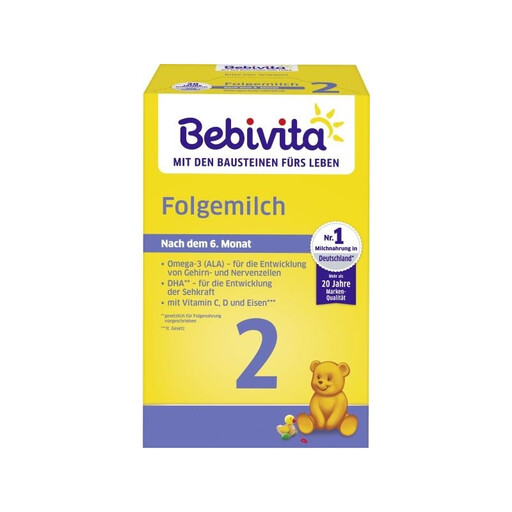
Why this product is a good fit: For parents seeking a reliable and affordable follow-on formula that meets all legal requirements without additional, often costly, extras.
This product focuses on the essential, legally required nutrients and avoids the "more is better" approach. It provides a solid nutritional foundation for the weaning stage.
Contains iron to support cognitive development and omega-3 fatty acids (ALA) for brain and nerve cells. Strict contaminant testing according to German standards.
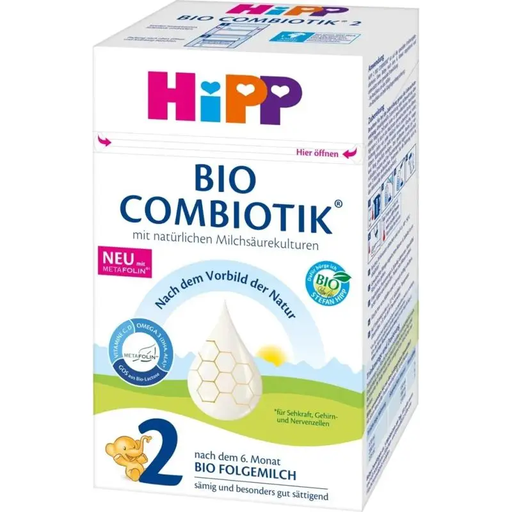
Why this product is a good fit: Ideal for parents who value organic ingredients and a formula based on the latest nutritional science findings, inspired by breast milk.
Instead of focusing on a single trend ingredient, this product combines organic quality with a sophisticated formula containing natural lactic acid cultures (L. fermentum) and dietary fibres (GOS).
Certified organic follow-on formula. Contains Metafolin, a folate source inspired by nature. Contains DHA and ALA (omega-3) to support brain and nerve cell development.
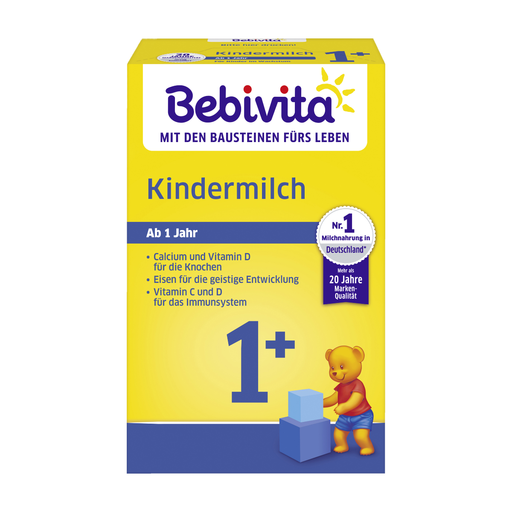
Why this product is a good fit: Specifically for the transition from infant to toddler nutrition. It serves as a milk drink with meals and is tailored to the nutritional needs of children from one year of age.
This product resolves the confusion over stages by being clearly positioned as a toddler milk from 1 year. It is no longer a follow-on formula, but a supplement for toddler nutrition.
Age-appropriately reduced protein content compared to cow's milk. Fortified with calcium and vitamin D for bone development, as well as iron for cognitive development.
We have compiled a complete, up-to-date list of products that fully meet these strict selection criteria and German safety regulations.
1. What is the difference between follow-on formula 2 and follow-on formula 3?Follow-on formula 2 is designed for infants from 6 months of age. Follow-on formula 3 is generally aimed at babies from 10 months. The main difference often lies in a slight adjustment of the energy and protein content to meet the needs of older, more active babies. Some stage 3 products also contain starch for better satiety. The choice between stage 2 and 3 depends on your child's individual development and eating habits and should be discussed with your paediatrician if in doubt.
2. How long should you give follow-on formula? Follow-on formula is intended as a supplement to complementary foods from the 6th month until the end of the first year of life. From the first birthday, you can switch to a toddler milk or cow's milk. Toddler milk has the advantage that its nutrient profile (e.g., reduced protein, fortification with iron and vitamin D) is specifically tailored to the needs of toddlers.
3. Can you switch or mix different brands of follow-on formula? Switching brands is generally possible but should not be done abruptly. It is recommended to introduce the new formula gradually, one bottle at a time, to allow the baby's digestive system to get used to it. Mixing powders from different brands in a single bottle is not recommended, as each product has its own precisely balanced composition and a specific dosage ratio of powder to water.