For precise sleeve pressing
If you want to smooth narrow uniform sleeves and seams on a surface, look for a precise iron tip and a suitable sleeve board. Leifheit lists a pressing surface measuring 57 × 8.5–10.5 cm for model 71820.


For neatly pressed uniform sleeves, a manageable steam iron with a precision tip, used on a suitable surface that can withstand heat and steam, is a sensible choice. A narrow sleeve board can support the sleeve as you iron. A foldable handheld garment steamer doesn’t need an ironing board and is better suited to freshening clothes on a hanger than achieving the same result as an iron. The key factors are the care label, the space you have to work and store your equipment, and the markings on the specific mains-powered appliance.
If you want to smooth narrow uniform sleeves and seams on a surface, look for a precise iron tip and a suitable sleeve board. Leifheit lists a pressing surface measuring 57 × 8.5–10.5 cm for model 71820.
If you need to put your appliance and ironing aid away after use, consider both the space they take up while you work and how much room they need when stored. Leifheit’s sleeve board folds away, while Tefal describes the head of its DT3041 garment steamer as foldable.
Check the care label on the specific garment before ironing. GINETEX notes that steam can cause damage for certain care symbols. A temperature setting only helps if the label says ironing is permitted.
| What matters | What to check when buying | Who it matters most to |
|---|---|---|
| Precision around sleeves and seams | Check that the sleeve width suits the board and look at the shape of the tip on the specific iron. | If I want to work on seams and narrow edges with control, a suitable surface matters. Around 31% of consumers say precision is their main concern. |
| Space to work and store your kit | Measure your work surface and storage space; check whether the appliance needs a separate base or a suitable ironing surface. | If I need to put everything away after ironing in a small flat, the space needed during use matters too. Around 31% of consumers say storage space is their main concern. |
| Protecting uniform fabric | Read the care label and make sure you can set the appliance’s temperature and steam to suit the garment. | If I care for uniforms made from different fabrics, I follow the care label rather than choosing the highest steam setting. Around 23% of consumers say protecting fabric is their main concern. |
| Steam and maintenance | Compare the tank, descaling method and permitted water for the exact model; distinguish between a steam boost and continuous steam. | If I regularly iron several items in a row, I consider how often I’ll need to refill the appliance and how to maintain it. Around 15% of consumers say regular steam use is their main concern. |
A handheld garment steamer is designed for clothes on a hanger and for freshening garments. Philips notes that, particularly on thicker cotton or linen shirts, a garment steamer won’t achieve the same result as an iron.
Before buying, decide whether you simply want to freshen your uniform or press its sleeves neatly on a surface.
These figures describe different features and, on their own, don’t guarantee a particular result on your uniform.
Compare like-for-like specifications. For narrow sleeves, also consider the tip shape, the surface you’ll use and the care label.
Even a foldable sleeve board needs a suitable, stable work surface when you’re ironing.
Measure the sleeve, your available work area and your storage space before choosing an appliance and ironing aid.
Braun offers steam irons and separate steam generator systems as distinct types of appliance.
The Focus Excel DW5325 is a steam iron. Rowenta describes its tip as suitable for narrow edges and seams.
Tefal offers two different options here: the Ultragliss Plus FV6846 iron and the Access’Steam Pocket DT3041 handheld garment steamer.
The 7000 Series DST7040/80 is a steam iron; handheld garment steamers are a different option for clothes on a hanger.
The 71820 sleeve board is an additional ironing aid, not an iron.
This selection features steam irons for pressing uniform sleeves on a suitable ironing surface. For mains-powered appliances within the 50 to 1,000 V AC range, the EU Low Voltage Directive requires CE marking, among other things; EUR-Lex outlines its scope. Check the markings and appliance identity of the specific model on offer.
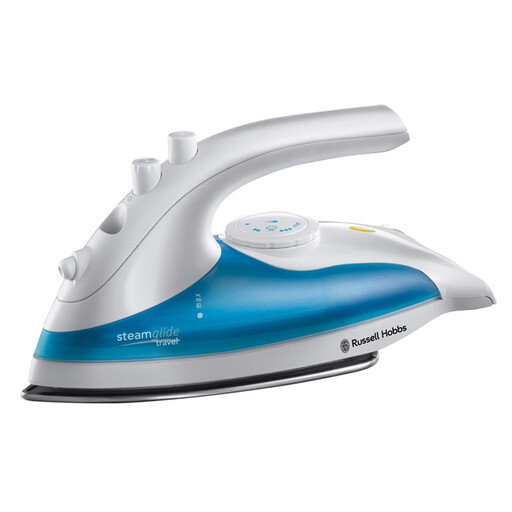 No image available
Described as a travel iron; use it for uniform sleeves on a suitable surface that can withstand heat and steam.
80-ml tank, 10 g/min continuous steam and variable steam output.
A dry ironing option is listed. Check your uniform’s care label.
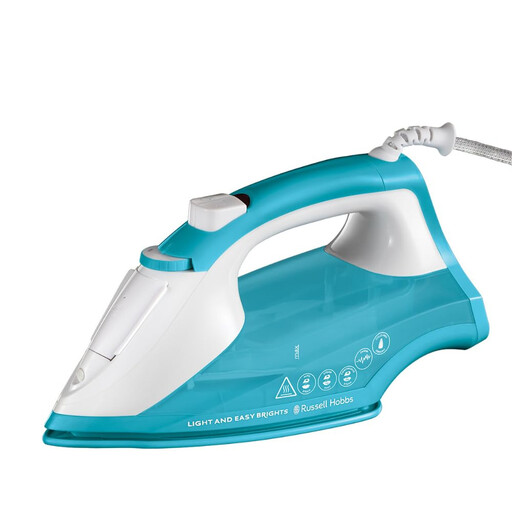 No image available
For uniform items where the temperature setting needs to suit the fabric and the care label.
Ceramic soleplate and 240-ml tank.
The description lists fabric-specific temperature settings, steam and spray functions, and an anti-scale system.
 No image available
For pressing on a suitable ironing surface; set the steam and temperature according to the care label.
250-ml tank, 40 g/min continuous steam and 160 g/min steam boost.
The description also lists an anti-scale system.
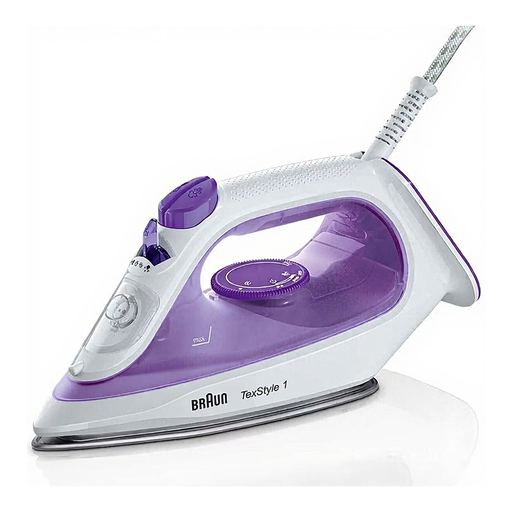 No image available
The precision tip described is useful for narrow areas and seams; use the appliance on a suitable ironing surface.
220-ml tank, 25 g/min continuous steam and 130 g/min steam boost.
An adjustable temperature is listed. Check the care label before ironing.
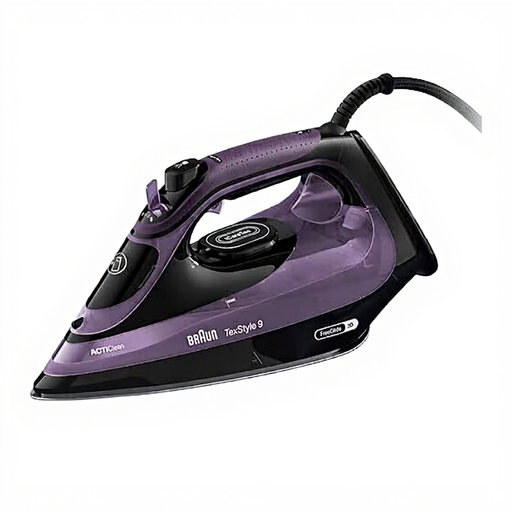 No image available
A precision tip is listed for targeted ironing of narrow areas; make sure the temperature setting suits your uniform.
330-ml tank and ActiClean scale collector.
The description lists an automatic descaling reminder, an iCare setting and variable steam control.
No, a full-size ironing board isn’t essential. A narrow sleeve board can support the sleeve while you press it, then fold away afterwards. Check its dimensions and make sure you have a suitable, stable work surface. A handheld garment steamer is another option for freshening clothes on a hanger.
No, always follow the care label on the specific garment. GINETEX describes care symbols indicating that steam can cause damage, as well as the “Do not iron” symbol. The material or type of uniform doesn’t replace the care label.
The method depends on the model. Tefal lists a removable scale collector for the FV6846, while Philips lists Quick Calc Release for the DST7040/80. Follow the instructions for your chosen appliance.
No. Your statutory rights for faulty goods are against the seller; a manufacturer’s guarantee is an additional voluntary offer with its own terms. The Verbraucherzentrale also explains that online purchases generally come with a 14-day right to cancel, starting when you receive the goods.
Mains-powered appliances within the 50 to 1,000 V AC range are subject to the requirements of the EU Low Voltage Directive, including CE marking. EUR-Lex outlines the scope of the directive; check the markings and appliance identity of the specific model on offer.