
Lieferung heute & morgen

Qualitätsgarantie

Willkommens-Angebote freischalten: KOSTENLOSE Lieferung | Bis zu 80 % RABATT | Kostenlose 30-Tage-JoyPlus-Testphase
App herunterladen
Finding the right pair of unisex pool slides can be more complicated than it first appears. Whether for use as comfortable house shoes, for a trip to the spa, a day at the beach, or for the garden—the requirements are diverse. Yet, the market is flooded with models that look great but quickly disappoint in practice. Many buyers invest in footwear that soon proves to be impractical or even unsafe.
As your Joybuy Product Recommendation Officer, I filter out the crucial information from the marketing hype. In this guide, I'll show you the three most common pitfalls when buying slides and what you need to look for to make an informed decision.
Before you decide on a model, you should be aware of the typical weaknesses that often only become apparent after the purchase.
To avoid the problems mentioned above, you should focus on three objective criteria during your selection. These features are key determinants of the durability, safety, and comfort of your new slides for women and men.
A majority of modern and functional slides are made from EVA (ethylene-vinyl acetate). This material is a lightweight, flexible, and durable foam. Pay attention to its density and construction:
Safety comes first. Non-slip pool shoes are distinguished by a well-designed sole tread. Instead of a smooth surface, you should look for the following features:
For long-lasting comfort, ergonomic slides are a smart choice. A good footbed should offer more than just flat cushioning.
Based on these objective criteria, we have identified a few models that are suitable for different user profiles.
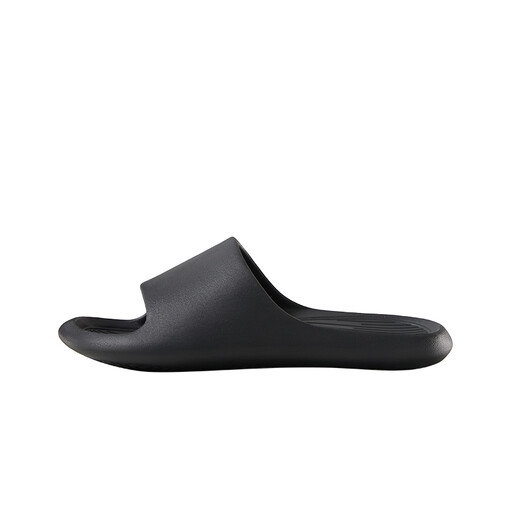
Why it's a good fit: Ideal for those who want a single, stylish, and functional shoe for home, the garden, and quick errands. The design is intentionally minimalist and versatile.
The single-mould, eco-friendly EVA material is robust and odor-resistant (avoids Pitfall 2). The wider fit and lightweight design with gentle arch support counter the issue of an uncomfortable fit (avoids Pitfall 3).
The wide fit is also suitable for broader feet. The hydrophobic grid texture in the footbed wicks away moisture.
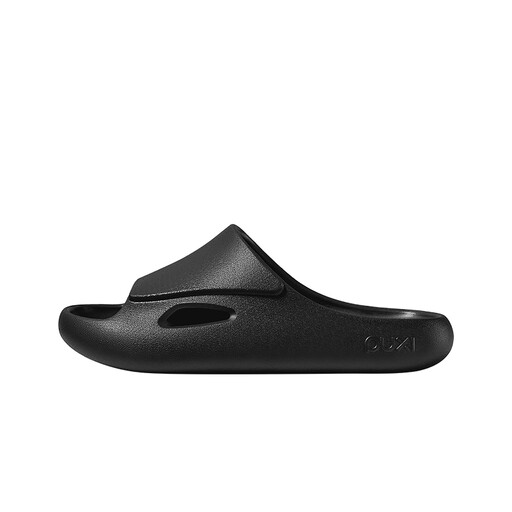
Why it's a good fit: Designed for maximum safety in wet areas. The first choice for anyone needing a reliable shoe for the bathroom, sauna, or swimming pool.
The wave-patterned anti-slip outsole with deep grooves and textured particles provides excellent grip on wet floors, directly addressing the slip hazard (Pitfall 1). The quick-drying material also prevents odor build-up (Pitfall 2).
An integrated drainage system in the midsole actively channels water away, preventing it from pooling inside the shoe.
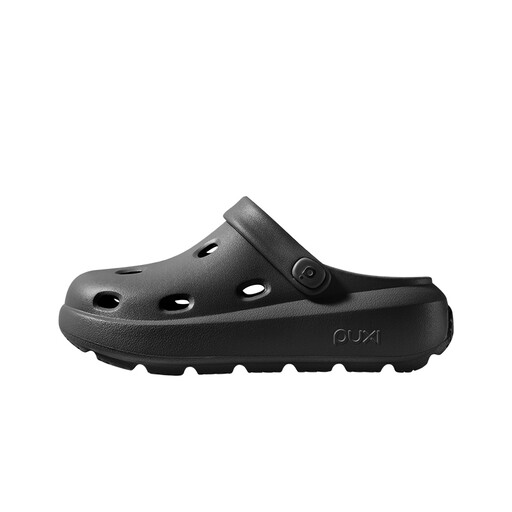
Why it's a good fit: For anyone who values maximum cushioning and a soft feel. The thick sole makes these lightweight EVA clogs ideal for long periods of standing or walking on hard floors.
The 6 cm thick sole offers pronounced cushioning and relieves pressure on the feet, counteracting the lack of ergonomic support (Pitfall 3). The robust, single-piece EVA construction ensures durability (Pitfall 2).
The thick sole not only provides comfort but also a slight height boost. Ventilation holes ensure breathability.
We have compiled a comprehensive, up-to-date list of products that meet these strict selection criteria.
Caring for EVA shoes is straightforward. Rinsing them with lukewarm water is usually sufficient. For tougher dirt, you can use a soft brush and a mild soap solution. Avoid direct sunlight or high heat when drying, as this can warp the material.
A thick sole generally offers more cushioning, which is often perceived as very pleasant on hard surfaces. However, comfort is subjective. More important than sheer thickness is the combination of cushioning, gentle arch support, and a proper fit. A shoe with a thinner but ergonomically shaped sole may be more comfortable for some wearers.
Since unisex models are designed for a broad audience, the fit is crucial. Your foot should neither hang over the edge nor have too much room to move inside the shoe. Ensure the strap over the instep is snug but doesn't cut in. Many manufacturers provide recommendations based on foot length in millimetres—this is often a more precise method for size selection than the standard EU shoe size.