
Lieferung heute & morgen

Qualitätsgarantie

Willkommens-Angebote freischalten: KOSTENLOSE Lieferung | Bis zu 80 % RABATT | Kostenlose 30-Tage-JoyPlus-Testphase
App herunterladen
A vehicle's interior is exposed to daily stress—from moisture and road grime to the wear and tear of shoe heels. Universal car floor mats offer a flexible and cost-effective solution to protect the original carpeting. However, the market can be overwhelming, and not every product delivers on its promise. The wrong choice not only leads to dissatisfaction but can also pose a significant safety hazard.
This guide highlights the most common pitfalls to avoid and explains the crucial features you should look for to find a durable and safe solution for your vehicle.
Many drivers opt for a universal mat only to discover it fails to meet basic requirements. Be sure to avoid the following three common issues:
To make an informed decision, you should examine three central aspects. These will determine the safety, durability, and practical utility of your new floor mats.
The material is crucial for both functionality and lifespan. All-weather floor mats are designed to perform in any condition.
A safe drive starts with a mat that stays in place. Therefore, it's essential to inspect the underside of the product.
A mat's design is about more than just aesthetics. It determines how well dirt and moisture are contained.
Based on the criteria above, we have identified products that offer a suitable solution for different user profiles and applications.

Why It's a Match: This set is a great choice for car drivers looking for a visually appealing and functional all-in-one solution. The faux leather look enhances the interior while providing protection for daily use.
Designed as a universal solution for common vehicle models, this set avoids the low-quality feel of many rubber mats with a clean, easy-to-maintain faux leather surface.
As a 4-piece car mat set, it provides a uniform and polished look for the entire vehicle interior.

Why It's a Match: Ideal for drivers of SUVs, vans, or family vehicles who frequently deal with heavy dirt, moisture, or snow. The robust rubber material and effective water-trapping channels offer maximum protection.
It bypasses issues of fit and durability. The predefined trim lines allow for precise customisation, while the hard-wearing rubber material is designed for a long lifespan and is easy to clean.
The combination of cut-to-fit mats and a non-slip nibbed structure on the back ensures high safety and functionality.
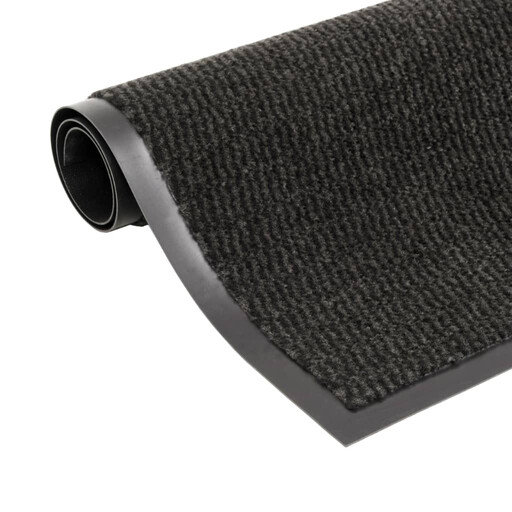
Why It's a Match: This mat is an excellent solution as a trimmable trunk liner or a heavy-duty protective mat for a van's cargo area. Its high absorbency and non-slip backing are ideal for securing loose items and keeping the trunk clean.
By being used for a flat, large area like the trunk instead of a complexly shaped footwell, it sidesteps the fit problem. Here, it can fully leverage its strengths as a resilient and absorbent liner.
The flexible, non-slip rubber backing ensures a secure grip, while the polypropylene fabric effectively absorbs moisture and dirt.
We have compiled a complete, up-to-date list of products that fully meet these strict selection criteria and safety standards.
First, place your old original mats (if available) on top of the new mat as a template. Alternatively, you can create a cardboard template that fits the footwell perfectly. Trace the outline onto the new mat and cut it with heavy-duty scissors or a utility knife along the marked line or the predefined trim lines. In the driver's area, pay special attention to ensuring there is sufficient clearance from the pedals.
No. A strong, chemical odour is often a sign of low-quality materials, especially cheap PVC. High-quality mats made from rubber or TPE are typically low-odour or completely odourless. If a new mat has a slight smell at first, it helps to air it out for 24 to 48 hours in a well-ventilated area, such as outdoors.
The term "universal" means the mats are designed for a wide range of vehicles, but not that they will fit every single model perfectly. For vehicles with unusually shaped footwells or special mounting points, customisation by trimming may be necessary. Before purchasing, measure your footwell and compare the dimensions with the product specifications to ensure the best possible fit.