
Lieferung heute & morgen

Qualitätsgarantie

Willkommens-Angebote freischalten: KOSTENLOSE Lieferung | Bis zu 80 % RABATT | Kostenlose 30-Tage-JoyPlus-Testphase
App herunterladen
A mount should position a device securely, create space and work reliably in everyday use. In practice, however, problems are often caused not by the mount itself, but by an unsuitable mounting method, incorrect dimensions or exaggerated claims in the product description. This applies to a car phone holder, a smartphone holder for your bike and a TV wall mount alike.
The term “universal” often only describes a wide range of uses. A mount may still require specific dimensions. With a smartphone holder, for example, phone width, device thickness and the thickness of the protective case are crucial. With a TV mount, the screen size, weight and VESA measurement must match.
A suction cup phone holder will generally adhere more reliably to smooth, clean surfaces than to heavily textured dashboards. An adhesive mount also requires a grease-free surface and sufficient curing time. For a TV wall mount, mounting directly onto plasterboard is often not enough if there is no suitable supporting framework behind it.
A 360-degree mount is practical when you want to switch between portrait and landscape orientation. However, mounts with multiple joints and long extensions may give way more easily when exposed to vibrations. For a fixed viewing angle, a rigid or ultra-slim design may therefore be more suitable than a fully swivelling TV mount.
When choosing a car mount, you should compare the following details:
A magnetic phone holder requires either a compatible magnetic or MagSafe system, or a correctly positioned metal plate. The plate should not be attached to uneven, heavily curved or delicate surfaces. The product description for the Spigen MP-4P Magnetic Plates also advises keeping metal plates away from credit cards, ID cards with magnetic strips and magnetic storage media.
With a VESA mount, the VESA measurement refers to the horizontal and vertical distance between the threaded mounting holes on the back of the television, for example 400 × 400 or 600 × 400 millimetres. You should also check:
An ultra-slim TV mount can be a sensible choice where space is limited. The fixed Total Control WM1612 mount is specified as sitting approximately 22 millimetres from the wall and supporting up to 45 kilograms. According to the product details, it is compatible with VESA measurements up to 600 × 400 millimetres and televisions from 32 to 90 inches.
Metal or steel constructions can provide high load capacity for TV mounts, but they are no substitute for correct installation. Do not overtighten screws, and use only suitable fixings for concrete, brick or load-bearing wooden studs.
For organising your home, metal S-hooks are a flexible solution where rods, rails or edges are available. The S-hooks described are 75 millimetres long and are supplied in packs of 20. For smooth surfaces where you do not want to drill, no-drill wall hooks may be suitable. According to the product description, the 5Five model is designed to hold up to 1.5 kilograms per hook. This specification applies only when the hook is used correctly on a suitable surface.
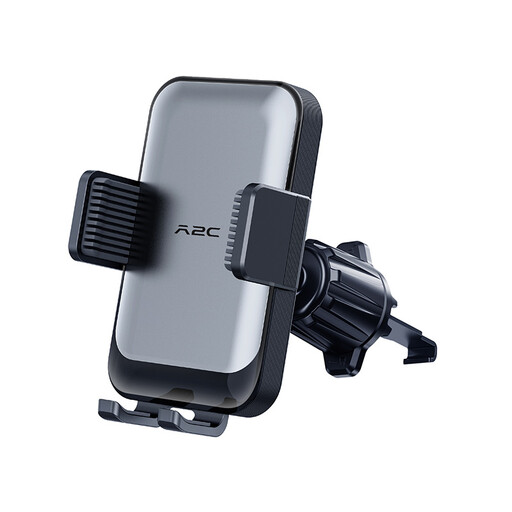
Why this product suits this profile: This air-vent phone holder has a compact design, requires no adhesive surface and, according to the product details, supports smartphones from 4.7 to 6.9 inches, including devices with thicker cases.
The air-vent clip’s dual locking mechanism is designed to provide a secure fit. Even so, you should check before buying whether your air-vent slats can support the construction.
One-handed operation, automatic clamping and silicone pads; design suitable for 4.7 to 6.9 inches.
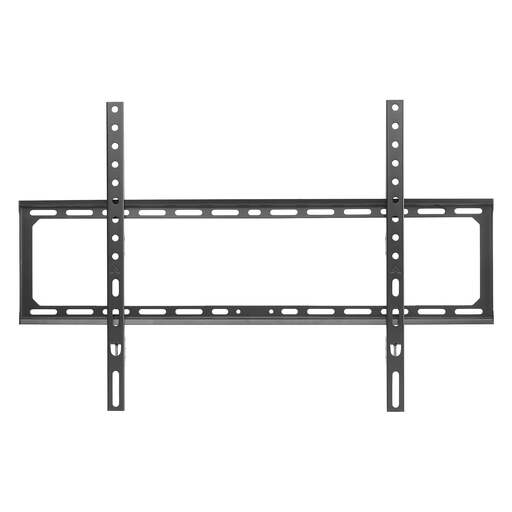
Why this product suits this profile: For a large television and a fixed viewing angle, this model provides clearly stated specifications for size, weight, VESA range and wall distance.
You can assess the choice using the stated maximum specifications: 32 to 90 inches, up to 45 kilograms and VESA up to 600 × 400 millimetres.
Steel construction, a fixed wall distance of approximately 22 millimetres and mounting accessories according to the product description.
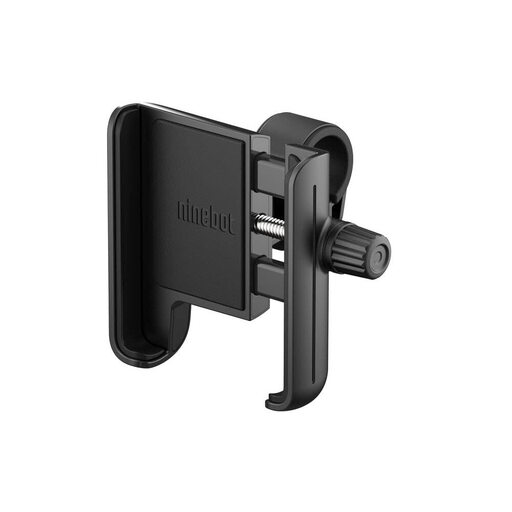
Why this product suits this profile: The holder is designed for handlebars with a diameter of 20 to 22.2 millimetres and supports smartphones from 58 to 90 millimetres wide and up to 10 millimetres thick.
The precise handlebar and phone dimensions reduce the risk of buying the wrong product. Check the fit before every journey; the holder must not be adjusted while riding.
360-degree rotation, water-resistant construction, non-slip pads and mounting with the supplied Allen key.
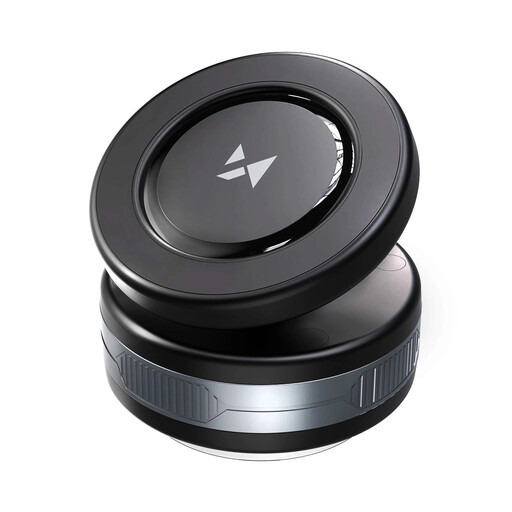
Why this product suits this profile: This magnetic holder combines suction cup mounting with Qi charging and is designed for Qi-enabled smartphones and magnetic cases.
The product details explicitly state the requirements for Qi and magnetic mounting. Without a compatible smartphone, case and USB-C power supply, you should not rely on the charging function.
Qi charging at up to 15 W according to the product information, an N52 magnetic ring and 360-degree adjustment.
We have put together a complete, regularly updated list of products that fully meet these strict selection criteria and the safety regulations applicable in the EU.
This depends on the device dimensions and mounting method. Clamp holders generally cover a defined width range. A magnetic phone holder requires a compatible magnetic or MagSafe case, or a suitable metal plate. With Android devices, you should also check whether wireless charging and the position of the charging coil are compatible with the holder.
There is no universal answer regarding service life. Temperature, direct sunlight, dust, the surface and frequent repositioning all affect adhesion. Clean the surface regularly and check the fit before setting off. If the adhesion starts to weaken, the holder should no longer be used with a heavy device.
Measure the VESA pattern, weigh the television and compare both values with the mount’s specifications. You must also take the wall material, screws, desired wall distance and the required swivelling or tilting range into account. A ceiling mount for televisions also requires a load-bearing ceiling structure; mounting solely to thin panelling is not sufficient.