
Lieferung heute & morgen

Qualitätsgarantie

Willkommens-Angebote freischalten: KOSTENLOSE Lieferung | Bis zu 80 % RABATT | Kostenlose 30-Tage-JoyPlus-Testphase
App herunterladen
A spilled glass of wine on the new sofa, muddy paw prints on the carpet, or the inevitable traces of a family road trip on the car seats—stains on upholstery are an everyday nuisance. An upholstery cleaner promises a quick fix. But the market is flooded with devices making bold advertising claims that often fail to deliver in practice. Many buyers invest in a machine that ends up unused in a cupboard after a short time.
As your Joybuy Product Recommendation Officer, I'm here to help you navigate the common pitfalls. We'll focus on the objective criteria that truly matter, so you can make an informed decision and find a device that efficiently solves your cleaning problems.
Before we dive into the important technical specifications, let's identify the marketing traps that often lead to a poor purchase.
To separate the wheat from the chaff, you should focus on three core technical features. These determine the actual cleaning performance and user-friendliness of an upholstery cleaner.
Suction power is the most critical factor for any wet cleaner for upholstery. It determines how effectively the dirty water is removed from the fabric. Insufficient suction leaves behind soaked upholstery that takes a long time to dry and is prone to mould growth.
So, don't focus on the wattage, but on the suction pressure indicated in Pascals (Pa) or kilopascals (kPa).
A spray extraction device works on a simple principle: clean water (with a cleaning solution) is sprayed onto the fabric and then vacuumed up along with the dissolved dirt. This requires a system with two separate containers:
This system ensures you are always cleaning with fresh water. Pay attention to the tank capacity. For occasional spot removal, small tanks (approx. 1 litre) are sufficient. However, if you plan to clean entire sofas, mattresses, or your car's interior, larger tanks (1.5 litres and up) are significantly more convenient and save you from constant interruptions.
Modern upholstery cleaners offer more than just basic spray extraction. Depending on your needs, additional functions can be very useful:
Here are three models that represent a smart choice for different user profiles based on their objective features.
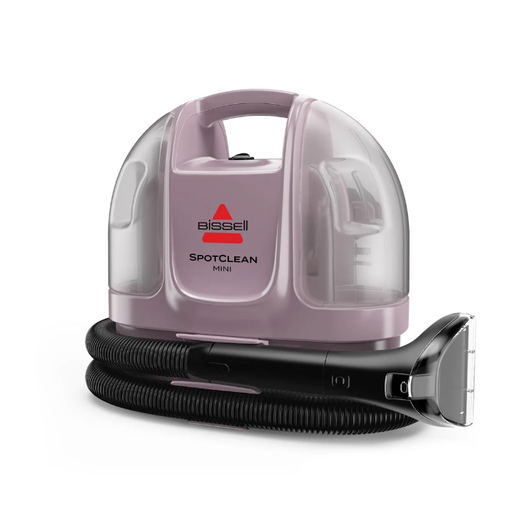
Why This Fits Their Persona: Ideal for those in apartments or with limited storage space. Its low weight of approx. 3.4 kg and compact design make it perfect for quickly tackling a spilled glass on the sofa or a stain on a car seat without having to haul out a heavy machine.
Although the tanks are smaller, this is sufficient for its intended purpose—spot cleaning—and avoids the unwieldiness of larger devices.
Compact and lightweight: Easy to carry and store. 3-in-1 cleaning: Sprays, scrubs, and suctions in a single process for targeted stain removal.

Why This Fits Their Persona: Families and pet owners need a powerful solution for tough stains. This model offers high suction power and large water tanks to clean larger areas like carpets or entire sofas without constant interruptions.
With a suction power of up to 12,000 Pa, it bypasses the "wattage trap" and delivers real performance. The patented self-cleaning function rinses the hose after use, effectively preventing odours from forming.
Two suction levels: 8,000 Pa for light messes and 12,000 Pa for deep-seated dirt. Large tanks: A 1.8L fresh water tank and a 1.6L dirty water tank for extended cleaning jobs.
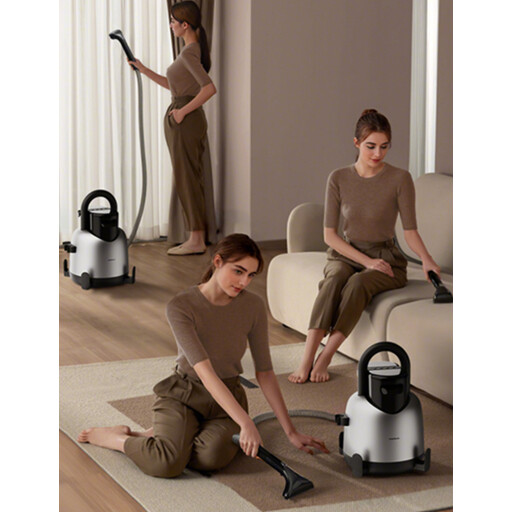
Why This Fits Their Persona: For users who want to not only clean but also sanitise. The steam function is ideal for allergy sufferers or for thoroughly cleaning mattresses and upholstery where pets sleep.
This device combines a high suction power of 13,000 Pa with a true steam function (up to 100°C). It's more than just a simple wet vac, offering a verifiable added benefit for hygienic cleanliness.
3-in-1 mode: Offers cleaning with steam, hot water, or room-temperature water. Large tanks and accessories: Comes with a 1.7L fresh water tank and 5 brush attachments for various surfaces.
We've compiled a complete, up-to-date list of products that fully meet these strict selection criteria and local safety regulations.
1. Can I use regular dish soap or laundry detergent in an upholstery cleaner? This is strongly discouraged. Household cleaners tend to produce a lot of foam, which can get into the device's motor and damage it. Only use special, low-foaming cleaning solutions recommended by the upholstery cleaner's manufacturer. These are designed to be gentle on fibres and not harm the machine.
2. What is the difference between an upholstery cleaner and a pure steam cleaner? An upholstery cleaner, also known as a wet vac or spray extraction device, cleans by spraying a water-and-detergent solution into the fabric and then suctioning it back up along with the dirt. A pure steam cleaner works exclusively with hot, pressurised water vapour to loosen dirt and sanitise surfaces, but it typically does not vacuum up the dislodged material. Some hybrid models, like those featured above, combine both functions.
3. How often should I clean my upholstered furniture? For general hygiene and maintenance, a deep clean is recommended every 12 to 18 months. In households with children, pets, or allergy sufferers, more frequent cleaning every 6 to 12 months may be beneficial. Stains should always be treated as quickly as possible to prevent them from setting deep into the fabric.