
Lieferung heute & morgen

Qualitätsgarantie

Willkommens-Angebote freischalten: KOSTENLOSE Lieferung | Bis zu 80 % RABATT | Kostenlose 30-Tage-JoyPlus-Testphase
App herunterladen
A spilled glass of wine on the new sofa, muddy paw prints on your favourite armchair, or stubborn stains on the car seats—these mishaps are frustrating and often difficult to remove. An upholstery cleaner, also known as a carpet washer or spray extraction device, promises a solution. However, the market is confusing and full of marketing claims that don't always deliver. Before you make a purchasing decision, you should know the most common pitfalls that lead to disappointment and unnecessary expense.
To avoid a bad purchase, it's important to interpret a device's technical specifications correctly and focus on the crucial features.
The effectiveness of a wet cleaner for upholstery depends heavily on its suction power. This is measured in Pascals (Pa) and describes the negative pressure the device generates to pull water and dissolved dirt from the textile fibres. A high wattage figure only indicates the motor's energy consumption, not its suction performance. A device with 12,000 Pa will extract more effectively than a device with a higher wattage but only 8,000 Pa. Therefore, pay attention to the suction power rating in Pascals to make an informed decision. This is a relevant point in any spot cleaner test.
A key feature for thorough and hygienic cleaning is a dual-tank system. This design keeps fresh water (often mixed with a cleaning solution) and the extracted dirty water in two separate containers. This prevents already dissolved dirt from being reapplied to the surface you're cleaning. The capacity of the tanks is also relevant: for cleaning large areas like carpets or entire sectional sofas, larger tanks (e.g., over 20 litres total volume) are advantageous to minimise interruptions for emptying and refilling. For targeted spot cleaning on a sofa or in the car, more compact models are sufficient.
The utility of an upholstery cleaner is significantly enhanced by its accessories. Specialised nozzles are essential to, for example, remove stains from a sofa or deep clean car seats. For households with pets, there are often special attachments optimised as an upholstery cleaner for pet hair. Another useful feature is an integrated heating function. Warm water can increase the effectiveness of cleaning agents and helps to better dissolve greasy or dried-in stains.
Based on the criteria mentioned, we have identified several models that are suitable for different user profiles and needs.

Why it's a good fit: Ideal for those who need a compact and ready-to-use device for individual stains on the sofa, carpet, or in the car. The handheld design makes it easy to store and flexible to use.
This model focuses on a high suction power of 17,000 Pa instead of a high wattage and features a clear dual-tank system that ensures hygienic separation of fresh and dirty water.
Powerful suction for effective deep cleaning in a compact size. The corded design ensures consistent power without charging times.
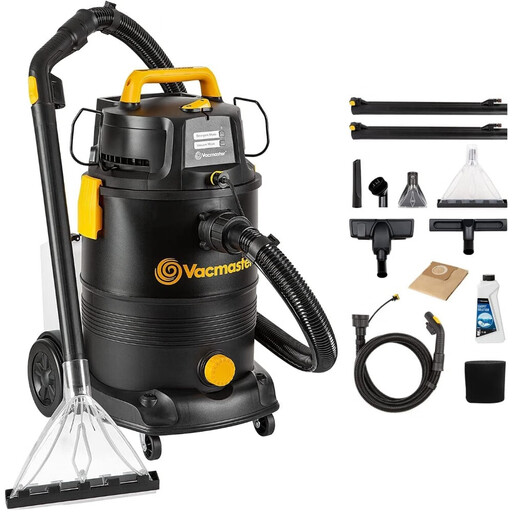
Why it's a good fit: For families and pet owners who regularly need to tackle larger areas and tough messes. Its large capacity and robust construction are designed for frequent use.
This device avoids the impractical tank pitfall with a large 30-litre collection tank and a separate 6-litre detergent tank. This minimises interruptions and makes cleaning large areas efficient.
3-in-1 functionality (wet, dry, and wash vacuuming) and a multi-stage filtration system that is also suitable for allergy sufferers. The large wheels ensure mobility throughout the house.

Why it's a good fit: For users who value convenience, hygiene, and thoughtful details. This device offers advanced features that simplify the entire cleaning process.
It directly addresses the odour buildup pitfall with a patented self-cleaning function that flushes the hose and brush head after use. It also offers two suction modes (up to 12,000 Pa) for customised performance.
Automatic cord rewind for tidy storage and a long 13-metre operating radius. The combination of a high-pressure water spray system and powerful suction ensures fast drying times.
We have compiled a complete, up-to-date list of products that fully meet these strict selection criteria and all relevant safety regulations.
1. How long does it take for upholstery to dry after cleaning with a carpet washer? The drying time depends on the fabric, room temperature, ventilation, and the device's suction power. With a powerful carpet cleaner, surfaces are often only slightly damp and can dry completely within 2 to 6 hours. Good ventilation in the room significantly speeds up the process.
2. Can I use regular detergent in an upholstery cleaner? It is strongly recommended to only use low-foaming cleaning solutions approved by the device's manufacturer. Conventional detergents or soaps can create excessive foam, which can damage the device's motor and sensors and impair suction performance.
3. How often should I change the filters in a spray extraction device? The filter replacement frequency depends on the model and intensity of use. Foam filters for wet extraction should be rinsed after each use. HEPA or cartridge filters for dry vacuuming should be checked regularly and replaced every 6 to 12 months, or when a noticeable loss of suction power occurs, according to the manufacturer's specifications. Always follow the manufacturer's instructions.