
Lieferung heute & morgen

Qualitätsgarantie

Willkommens-Angebote freischalten: KOSTENLOSE Lieferung | Bis zu 80 % RABATT | Kostenlose 30-Tage-JoyPlus-Testphase
App herunterladen
A spilled drink on the new sofa, muddy paw prints from a pet on the carpet, or the grime accumulated in car seats over the years—these are familiar situations for many. An upholstery cleaner promises a quick and thorough solution. However, the market is flooded with devices whose marketing promises often suggest more than the technology can deliver. This guide will help you identify the crucial features and make an informed choice based on facts, not advertising slogans.
Many buyers invest in a device only to find that it makes the situation worse. Water spots, inadequate cleaning, and long drying times are often the result. Pay attention to these three critical points to avoid a bad purchase:
To separate the wheat from the chaff, you should focus on objective technical specifications. These three parameters are decisive for a device's performance and versatility.
The most important function of an upholstery cleaner, also known as a spot cleaner or extraction cleaner, is its ability to pull the cleaning fluid and the dissolved dirt completely out of the fabric. The key metric for this is suction power, often specified in Kilopascals (kPa).
Hygienic and efficient operation is only possible with a dual-tank system. This design keeps fresh water (with or without cleaning solution) and the extracted dirty water in two separate containers.
A good upholstery cleaner is distinguished by its adaptability to various tasks. This is achieved through a set of different brushes and attachments.
Based on the criteria above, we have identified several products that represent a well-considered choice for specific user groups and their needs.
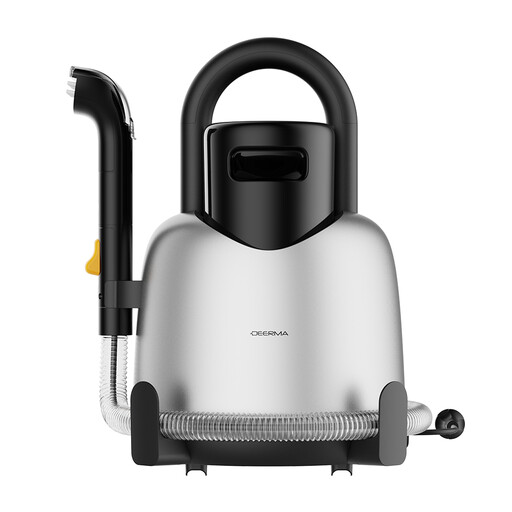
Why This Fits Their Persona: Ideal for families needing a solution for a wide range of messes. The temperature modes (steam, hot water) are particularly effective on organic stains from food or pets on sofas, carpets, and mattresses.
The suction power of 13 kPa ensures effective water removal. The large dual-tank system (1.7 L / 1.4 L) allows for uninterrupted cleaning. With five brush attachments, the device is equipped for almost any surface and corner.
Three temperature modes (steam, hot water, room temperature) offer customisable cleaning power for both delicate and durable textiles.

Why This Fits Their Persona: Perfect for deep cleaning vehicle interiors or specific pieces of furniture. The long hose and power cord provide extensive reach, while the compact design makes it easy to handle and store.
With a very high suction power of 15 kPa, this device extracts moisture with extreme efficiency, ensuring fast drying times. The hygienic dual-tank system (1.5 L / 0.8 L) and two brush heads bypass the typical weaknesses of cheaper models.
The combination of high suction power and long reach, thanks to an extended hose and cord, makes it a highly practical tool for vehicle detailing.
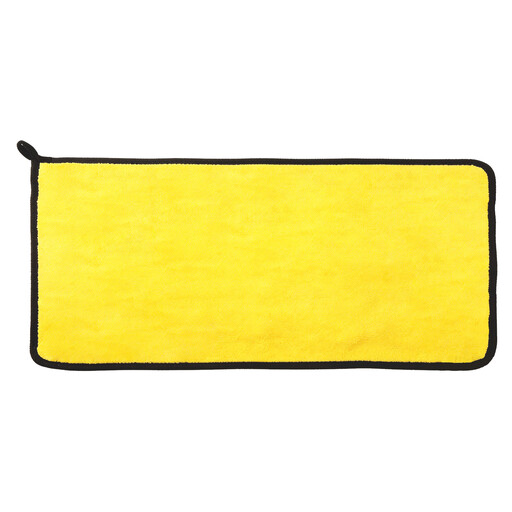
Why This Fits Their Persona: For users who don't need a machine but want a high-quality tool for immediately tackling fresh, small stains. Ideal for quickly absorbing liquids before they penetrate deep into the fabric.
As a manual alternative, this cloth bypasses the technical pitfalls of machines. Instead of smearing a stain, the dense 600GSM fabric absorbs liquid extremely well and traps it. It's a targeted first-response tool.
High absorbency (can hold many times its own weight in water) and a soft, non-scratch material for safe and effective manual cleaning.
We have compiled a complete, up-to-date list of products that fully meet these strict selection criteria and German safety regulations.
The drying time heavily depends on the device's suction power, the type of fabric, and the room's ventilation. A powerful upholstery cleaner with a suction power of over 12 kPa can dry the surface so effectively that it only feels slightly damp and is completely dry within 2 to 4 hours. Devices with weak suction can cause drying times of over 12 hours.
This is generally not recommended. Standard household detergents can create excessive foam, which can damage the device's motor. They also often leave behind sticky residues that attract new dirt. It is best to use low-foaming cleaning solutions specifically designed for carpet cleaners and spot cleaners, and always follow the device manufacturer's instructions.
For general hygiene, a deep clean every 12 to 18 months is a good rule of thumb. In households with pets, children, or allergy sufferers, more frequent cleaning every 6 to 12 months may be beneficial to effectively remove dander, dust mites, and allergens. Targeted spot cleaning should, of course, always be done immediately as needed.