
Lieferung heute & morgen

Qualitätsgarantie

Willkommens-Angebote freischalten: KOSTENLOSE Lieferung | Bis zu 80 % RABATT | Kostenlose 30-Tage-JoyPlus-Testphase
App herunterladen
A spilled glass of wine on the new sofa, muddy paw prints on your favorite armchair, or the unavoidable traces of daily life on car seats—stains on upholstery are stubborn and often a source of frustration. A high-performance upholstery cleaner promises a solution, but the market is flooded with devices whose performance often falls short of their marketing claims. Making the wrong choice not only leads to frustration but can even damage textiles due to excessive moisture.
As your Joybuy Product Recommendation Officer, I'll help you identify the crucial features and avoid common purchasing pitfalls. This guide focuses on the technical facts that truly matter for effective and safe cleaning.
Before you invest in a device, you should be aware of the three most common problems that lead to unsatisfactory results with many models:
To make an informed decision, you should focus on three core technical features. These largely determine a device's performance and versatility.
The most important metric for a wet-dry vacuum is not the motor power in watts, but the suction power, often specified in kilopascals (kPa). This value describes the negative pressure the device generates to pull water and dissolved dirt from the textile fibres.
A dual-tank system is essential for hygienic cleaning. It strictly separates the clean water (often mixed with a cleaning solution) from the recovered dirty water. Pay attention to the capacity of both tanks, specified in litres (L).
The ability to work with elevated water temperatures is a decisive advantage. It allows you to effectively dissolve even the most stubborn grime.
Here are three product recommendations tailored to different needs and use cases.
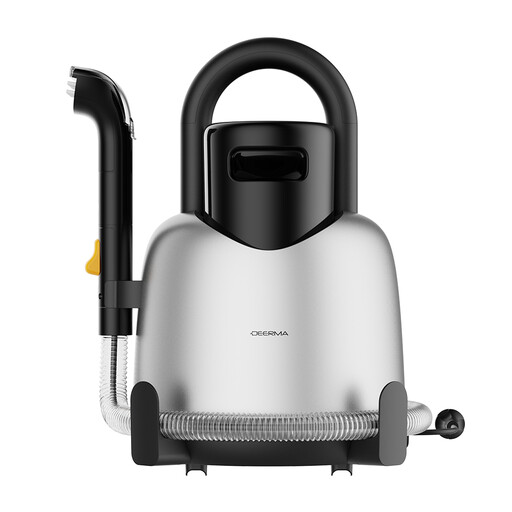
Why This Fits Their Persona: Ideal for users seeking a versatile and powerful solution for a wide range of textiles and stubborn stains. Perfect for the deep cleaning of sofas, carpets, and car interiors.
Avoids all three pitfalls: The 13 kPa suction power ensures short drying times. The large dual-tank system (1.7 L / 1.4 L) allows for uninterrupted work. The three temperature modes (cold, 60°C hot, 100°C steam) offer maximum flexibility.
The integrated heating function for hot water and steam provides a level of cleaning performance that cold-water devices cannot match. The 5-in-1 brush set makes it a versatile tool for the entire home.

Why This Fits Their Persona: An excellent choice for households looking for a straightforward and effective stain removal solution without a large budget. Ideal for quickly tackling everyday mishaps.
This device offers a remarkable 15 kPa of suction power for its price class, minimising the risk of damp upholstery. It features a hygienic dual-tank system (1.5 L / 0.8 L) that prevents cross-contamination.
The 3-in-1 system of spraying, brushing, and suction, combined with high suction power, ensures efficient deep cleaning. Its long reach, thanks to a long hose and power cord, makes it very practical to use.
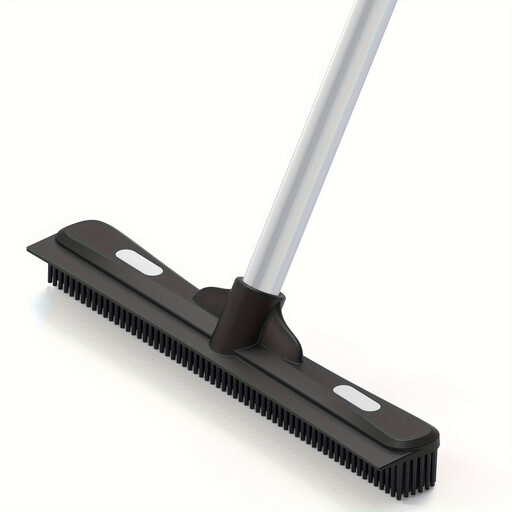
Why This Fits Their Persona: An indispensable tool for pet owners. Before using a spot cleaner for upholstery, pet hair must be removed, as it can clog the device's nozzles and brushes.
This is not an electrical device and thus bypasses the typical technical pitfalls. It is a simple yet highly effective manual solution for the specific problem of hair removal, which many expensive machines fail to solve satisfactorily.
The rubber bristles create an electrostatic charge that pulls hair and lint from carpets and upholstery like a magnet. The adjustable handle allows for ergonomic use without bending over.
We have compiled a complete, up-to-date list of products that fully meet these strict selection criteria and German safety regulations.
Drying time heavily depends on the device's suction power, room temperature, and ventilation. When using a device with over 12 kPa of suction and good air circulation, you can expect a drying time of 2 to 6 hours. Lower suction power can extend the drying time to over 12 hours.
Yes, in most cases, tap water is sufficient. However, if you live in a region with very hard (calcareous) water and use a device with a heating function, using distilled water is recommended. This prevents limescale buildup in the heating element and spray nozzles, ensuring the device's longevity.
For general maintenance in an average household, a deep clean once or twice a year is sufficient to clean the sofa and keep it fresh. In households with pets, small children, or allergy sufferers, a quarterly cleaning can be beneficial to regularly remove allergens and deep-seated dirt. Of course, stains should always be treated as quickly as possible.