
Lieferung heute & morgen

Qualitätsgarantie

Willkommens-Angebote freischalten: KOSTENLOSE Lieferung | Bis zu 80 % RABATT | Kostenlose 30-Tage-JoyPlus-Testphase
App herunterladen
A spilled glass of wine on the new sofa, muddy paw prints on your favourite armchair, or the unavoidable traces of daily life on car seats—stains on upholstery and textiles are a nuisance. An upholstery cleaner, often called a carpet washer or spot cleaner, promises a quick and thorough solution. However, the market is flooded with devices making bold advertising claims. Before you make a purchasing decision, it's crucial to understand the common pitfalls that often lead to disappointment and unnecessary expense.
Many devices look convincing at first glance but only reveal their weaknesses during use. Pay close attention to these three points to avoid a bad purchase:
To find the right device for your needs, you should focus on objective, technical features rather than marketing buzzwords.
The effectiveness of an upholstery cleaner depends on how well it can pull the cleaning fluid, along with the dissolved dirt, back out of the fabric. This is crucial for a stain-free result and a short drying time.
A good tank system is the foundation for efficient and hygienic cleaning. The most important feature is the separation of fresh and dirty water.
The range of functions determines the device's versatility.
Based on the criteria mentioned, we have identified a few models that represent a considered choice for specific user groups.
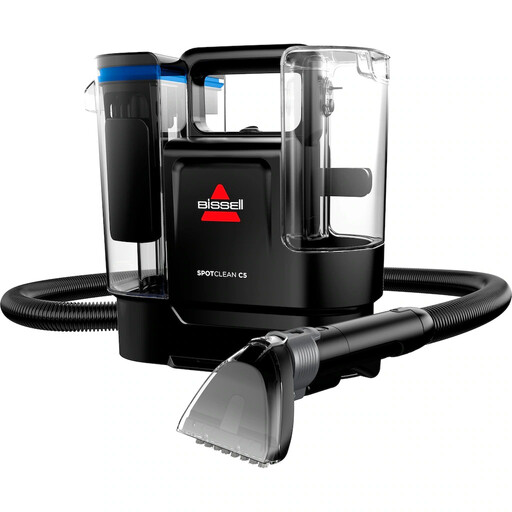
Why this model is a great fit: Ideal for households with children or pets where small mishaps on the sofa or carpet need to be dealt with quickly. The compact and lightweight design (4 kg) allows for fast and straightforward use.
The included HydroRinse self-cleaning tool flushes the hose with fresh water after use. This counteracts the "unhygienic tank system" pitfall by preventing odour and bacteria growth in the hose.
A combination of spraying, scrubbing, and suction for effective stain treatment. The suction power of over 15 kPa is remarkable for such a compact device. The dual-tank system is easy to handle.
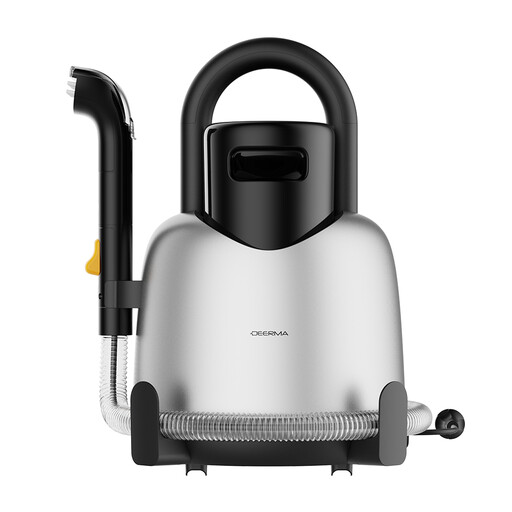
Why this model is a great fit: For users who need high cleaning performance for deep-set or greasy stains. Especially suitable for the thorough cleaning of car seats, mattresses, and heavily used upholstered furniture.
This device bypasses the "hot water deception" with a true instant-heating system. It generates either 100°C hot steam or 60°C hot water and maintains the temperature constantly, rather than relying on quickly cooling tap water.
Three temperature modes (steam, hot water, room temperature) for maximum flexibility. The high power of 1700W and a suction power of 13 kPa ensure an intensive deep clean. Five brush attachments are included.
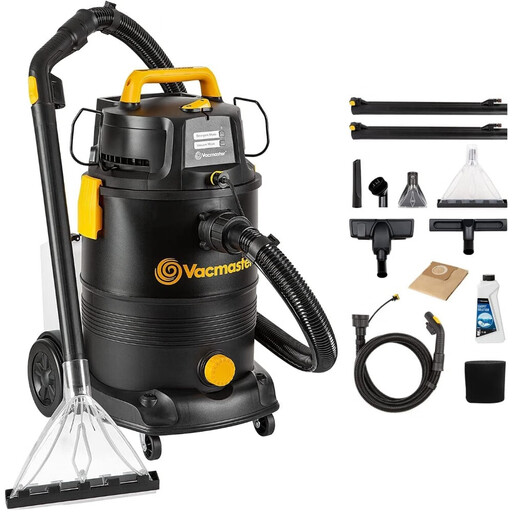
Why this model is a great fit: For homeowners or car enthusiasts who need a robust all-in-one device for large carpets, complete vehicle interiors, and also as a wet and dry vacuum for the workshop or basement.
With a 30-litre collection tank and a 6-litre detergent tank, this model directly addresses the "undersized tanks" pitfall. It allows for long cleaning intervals without constant interruptions, which is crucial for large areas.
True 3-in-1 functionality as a carpet washer, wet vacuum, and dry vacuum. Its robust construction and large capacity make it a versatile helper for demanding cleaning tasks throughout the home.
We have compiled a comprehensive, up-to-date list of products that fully meet these strict selection criteria and safety regulations.
1. How long does it take for a sofa to dry after cleaning with a carpet washer? The drying time depends on several factors: the suction power of the device, the thickness of the upholstery fabric, the amount of water applied, and the room's ventilation. With devices that have strong suction and good engineering, the surface can be ready for use again in as little as 4 to 8 hours. To speed up the process, ensure good ventilation in the room or set up a fan.
2. Can I use any cleaning solution in an upholstery cleaner? No, this is not recommended. Only use cleaning agents that are approved by the manufacturer for use in carpet washers. These are typically low-foaming. Conventional cleaners or dish soap can cause excessive foam, which can overflow the dirty water tank and, in the worst case, get into the motor and damage it.
3. Should I vacuum the upholstery before wet cleaning? Yes, this is highly advisable. A thorough pre-vacuuming with a regular vacuum cleaner removes loose dirt, dust, crumbs, and hair. This allows the upholstery cleaner to focus on removing deep-set stains and grime. The result of the wet cleaning will be significantly better, and the dirty water tank will not fill up as quickly with coarse debris.