
Lieferung heute & morgen

Qualitätsgarantie

Willkommens-Angebote freischalten: KOSTENLOSE Lieferung | Bis zu 80 % RABATT | Kostenlose 30-Tage-JoyPlus-Testphase
App herunterladen
As a Joybuy Product Recommendation Officer, I see customers struggle daily with choosing the right cleaning device. A spilled drink on a new sofa, muddy paw prints from a pet on the carpet, or the aftermath of the last family road trip on your car seats—these situations demand an effective solution. A powerful upholstery cleaner promises relief, but the market is overwhelming. Many devices fail to deliver on their promises, leading to more frustration than cleanliness.
This guide will help you avoid the typical pitfalls of purchasing an upholstery cleaner. We'll focus on the crucial technical features that define a quality machine, enabling you to make an informed decision for deep cleaning your home and vehicle.
Before you invest, you should be aware of the most common problems that arise with unsuitable devices. These often lead to poor cleaning results and can even damage your textiles.
To avoid the problems mentioned above, you should focus on three core technical features. These largely determine the performance and versatility of an upholstery cleaner.
Suction power is the most critical indicator of a device's ability to pull water and dirt from the deep fibres of upholstery and carpets. While basic handheld vacuums often have low suction, a spray extraction device requires a significantly higher value.
A high-quality wet cleaner or carpet washer always features a two-tank system.
A versatile spot cleaner should be suitable for various surfaces. This includes not only sofas and carpets but also mattresses and the demanding task of car upholstery cleaning.
Based on the criteria above, we have selected products for different user groups.

Why This Fits Their Persona: Ideal for pet owners, families, and car enthusiasts who need a powerful and versatile solution for stubborn stains on sofas, carpets, and car seats.
With a suction power of 15 kPa (according to the manufacturer), it effectively extracts moisture and avoids the trap of soggy upholstery. The large two-tank system (1.5 L fresh water, 0.8 L dirty water) prevents cross-contamination and frequent interruptions.
The 3-in-1 system (spray, scrub, suction) delivers a professional-grade clean. Its long reach, thanks to an extended hose and power cord, makes it especially flexible for car interior cleaning.
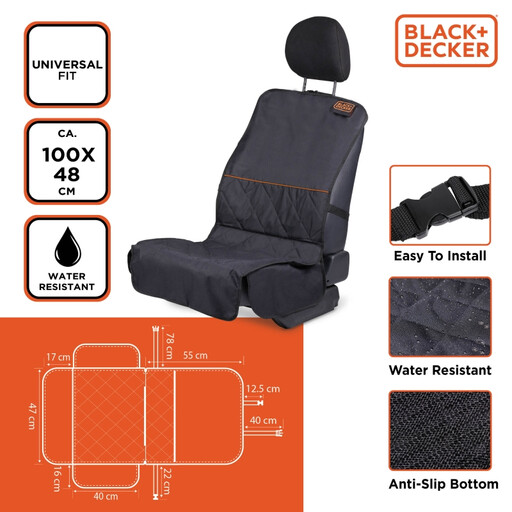
Why This Fits Their Persona: Perfect for drivers who want to prevent stains from happening in the first place—whether it's after sports, during pet transport, or on the commute with a morning coffee.
Instead of laboriously removing stains, this protector prevents them from ever forming. Its waterproof barrier shields the original seat, turning cleanup into a simple wipe-down rather than a deep extraction.
The waterproof material and non-slip backing provide reliable protection and stability. The protector can be installed and removed in seconds.
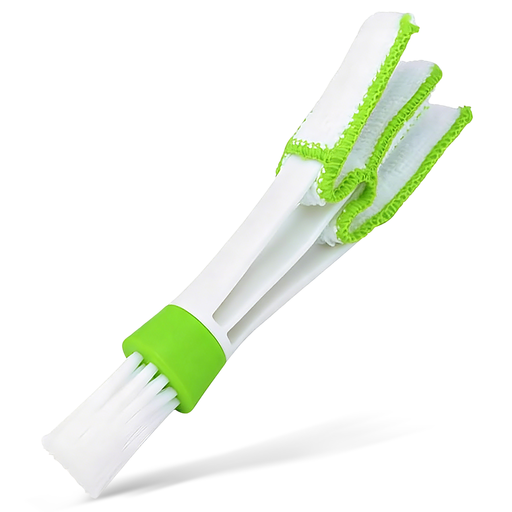
Why This Fits Their Persona: For car lovers who value a pristine interior. This tool reaches places a large upholstery cleaner can't, such as air vents, crevices, and button arrays.
While a wet cleaner handles large fabric surfaces, it can't remove dust from tight gaps. This brush complements a deep cleaner for complete and detailed car interior cleaning.
The dual-head design, featuring microfiber and soft bristles, allows for versatile, scratch-free cleaning of delicate surfaces in the cockpit.
A clean and well-maintained vehicle interior significantly contributes to driving comfort. Beyond upholstery cleaning, many other products can help you maintain order and cleanliness.
1. How often should you use an upholstery cleaner on car seats? For a fundamental deep clean, using it once or twice a year is recommended to remove deep-seated dirt and allergens. For targeted stain removal, such as after a spill, the device should be used immediately as needed. Regular vacuuming complements this care and extends the intervals between wet cleanings.
2. Can I use regular tap water in a spray extraction device? Yes, in most cases, tap water is sufficient. However, in regions with very hard, calcareous water, using distilled water can be beneficial. This prevents limescale deposits in the device and on the upholstery. Always follow the manufacturer's instructions regarding the addition of cleaning agents.
3. Doesn't a wet cleaner leave the upholstery too damp? This depends directly on the device's suction power. An upholstery cleaner with high suction, for example, 15 kPa, extracts the majority of the sprayed liquid back out of the fabric. The remaining residual moisture typically dries within a few hours, especially with good ventilation or slightly elevated room temperature.