
Lieferung heute & morgen

Qualitätsgarantie

Willkommens-Angebote freischalten: KOSTENLOSE Lieferung | Bis zu 80 % RABATT | Kostenlose 30-Tage-JoyPlus-Testphase
App herunterladen
An upper arm blood pressure monitor is a staple of regular health checks at home for many adults and seniors. But not every digital blood pressure monitor suits every household. Often, a poorly chosen cuff, hard-to-read displays or impractical memory functions lead to incorrect use and unnecessary extra costs.
A cuff that is too tight or too loose can make the device difficult to use and affect the accuracy of your readings. So, before you buy, check the specified arm circumference range. An upper arm cuff 22–45 cm suits a wider range of users than a model with a narrower range. Even so, you should still measure your own arm circumference.
A blood pressure monitor with arrhythmia detection can flag irregular heartbeats during a reading. However, this cannot be used to make a diagnosis. Similarly, a colour-coded WHO or risk indicator is only meant to help you interpret the displayed value and does not replace a doctor’s assessment.
Bluetooth, cloud connectivity and app features are only useful if the sync works with your smartphone and you use them regularly. If you simply want to check your readings morning and evening, you may not need a particularly complex system. For couples or families, however, a blood pressure monitor for 2 people with separate memories can be very practical.
An automatic blood pressure monitor for the upper arm is normally positioned at heart level. Compared with a wrist device, correct placement depends less on arm position, but you still need to sit still. The medisana BW 360 connect, for example, is a wrist model and therefore not comparable with the upper arm devices described here.
Look for:
A blood pressure monitor with a large display should show the values clearly and with good contrast. A backlight or voice output can provide extra support if your eyesight is limited.
A memory with multiple user profiles prevents readings from different people getting mixed up. Automatic calculation of the average from the last three readings can simplify record-keeping. However, it does not replace a medically prescribed measurement routine.
A blood pressure monitor with Bluetooth or a blood pressure monitor with an app is mainly suited to users who want to track long-term trends digitally. Before you buy, check whether the app is available for iOS or Android and whether you can export your data.
The device specifications for accuracy, accessories and memory capacity come from the respective product descriptions. Model features may vary depending on the version or app update.
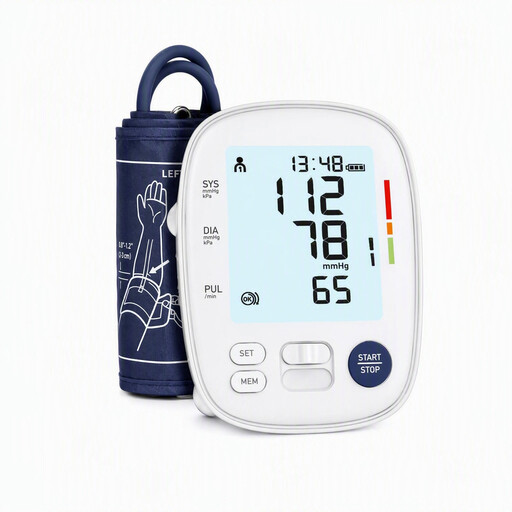
Why this product fits the profile: This automatic upper arm device combines a 22–42 cm cuff with a large LCD display and is designed for home use.
The stated cuff range and cuff position guidance help you spot an unsuitable size or incorrect placement early on.
Large 63 × 81 mm LCD, two memories with 120 entries each, average of three readings and optional USB-C operation according to the product description.
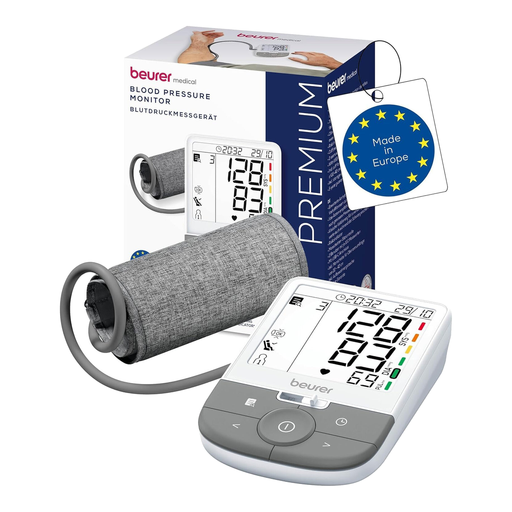
Why this product fits the profile: Its features are aimed at users who value structured measurement routines and digital data transfer alongside basic readings.
The rest indicator, cuff fit check and triple measurement address common errors in posture, placement and single readings.
XL display with backlight, 2 × 100 memory slots, seven-day average and synchronisation with health apps according to the product description.
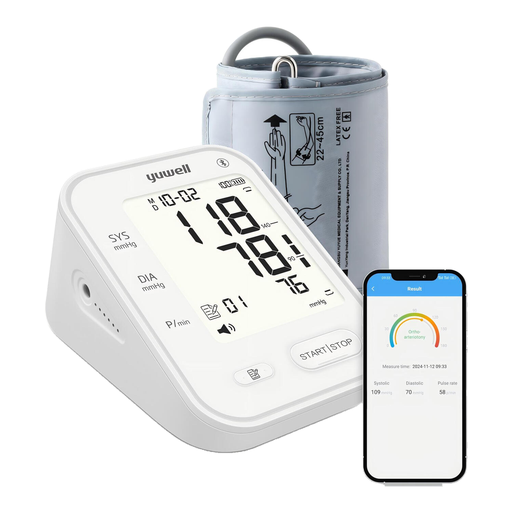
Why this product fits the profile: For frequent readings and digital record-keeping, this model offers a wide cuff, Bluetooth and a rechargeable battery.
The 22–45 cm range reduces the risk of having to buy another device because the cuff is too small.
App connectivity, PDF and CSV export according to the description, illuminated display and rechargeable power supply.
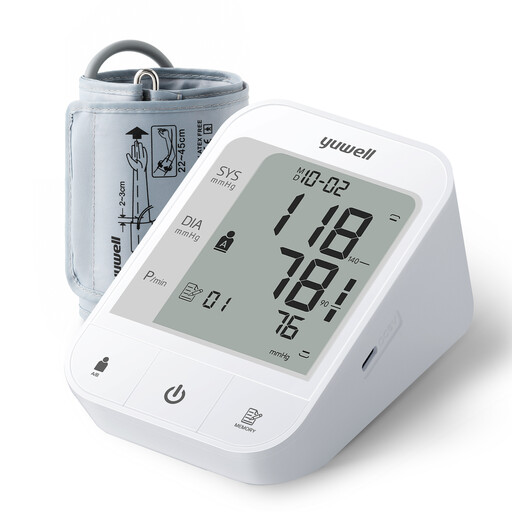
Why this product fits the profile: The one-button operation, voice output and wide cuff are designed for straightforward use in a family home.
The display of user errors and the 22–45 cm cuff help avoid common problems caused by incorrect positioning or limited fit.
2 user profiles with 99 memory slots each, average of three readings, USB cable and four AA batteries according to the product specifications.
We have put together a full, regularly updated list of products that fully meet these strict selection criteria and the safety regulations in force in the EU.
That depends on your individual recommendation and the purpose of the readings. For comparable results, try to measure at similar times of day and under similar conditions. If you notice unusual or persistently high readings, seek medical advice and present your results.
The lifespan depends on the model, storage conditions, batteries and cuff. Keep the device dry, protected from direct sunlight and free from strong impacts. Check the cuff regularly for cracks or damaged Velcro. Information on product lifespan and warranty can be found in the relevant instruction manual.
Battery-operated devices need fresh AA or AAA batteries regularly, depending on how often you use them. Models with a USB port or rechargeable battery can reduce battery consumption, but they need a suitable power source or charging time. Check before you buy whether batteries, a mains adapter or a charging cable are included.
No. An arrhythmia indicator simply flags an irregular pulse pattern detected during the reading. It is not a substitute for a medical examination. Readings and warnings should not be used on their own to change a treatment or medication.