
Lieferung heute & morgen

Qualitätsgarantie

Willkommens-Angebote freischalten: KOSTENLOSE Lieferung | Bis zu 80 % RABATT | Kostenlose 30-Tage-JoyPlus-Testphase
App herunterladen
An upper-arm blood pressure monitor should make it easy to record readings at home and compare them over time. In practice, choosing the right one often comes down to more than price. A cuff that is too small, a difficult-to-read display or an app that barely gets used in everyday life can make a purchase unnecessarily complicated.
An upper-arm cuff must fit your actual arm circumference. If it is too tight or too loose, it can affect the measurement result. Many models cover a range of 22 to 42 cm, while some devices extend up to 45 cm. Before buying, measure your upper arm with a tape measure – ideally at the point where the cuff will sit.
Bluetooth, voice prompts, colour scales and app connectivity can be useful. However, they also increase the number of steps involved. For older users, a large display, an easily accessible start button and a clear readout are often more important than extensive additional features. A digital blood pressure monitor with an app is only worthwhile if the smartphone, app and synchronisation are used regularly.
Terms such as “precise”, “medical” or “intelligent” do not say much on their own. More meaningful details include the measurement range, stated tolerance, cuff range, memory capacity and the information provided in the instruction manual. For example, arrhythmia detection indicates irregular heartbeats during a measurement. It is not a diagnosis and does not replace medical assessment.
An automatic upper-arm blood pressure monitor is fitted to the bare arm at heart level. Before taking a measurement, it is advisable to rest for around five minutes. You should not speak during the measurement and should keep your arm still. Models with cuff fit detection or movement alerts can draw attention to application errors.
Also pay attention to the design. An integrated or clearly marked cuff can make preparation easier. If several people in the household will be using the monitor, check that the correct circumference is suitable for each person.
For older people, a blood pressure monitor with a large display and high-contrast readout is particularly practical. One-button operation helps to reduce user errors. The memory function should offer separate user profiles, so that readings from partners or family members are not mixed together.
Some devices also calculate the average of the last three readings. This can make record-keeping easier, provided the measurements are taken under comparable conditions. Individual unusual readings should not be interpreted independently or used to change treatment.
A Bluetooth blood pressure monitor transfers readings to a compatible app. Before buying, check whether your smartphone operating system is supported and whether the app you want to use works with services such as Apple Health, Samsung Health or Health Connect.
For use on the go, weight, battery type and charging options are all relevant. A rechargeable model can reduce the need for cables and spare batteries. Devices using AA or AAA batteries, on the other hand, do not depend on charging times and are often straightforward to use when travelling.
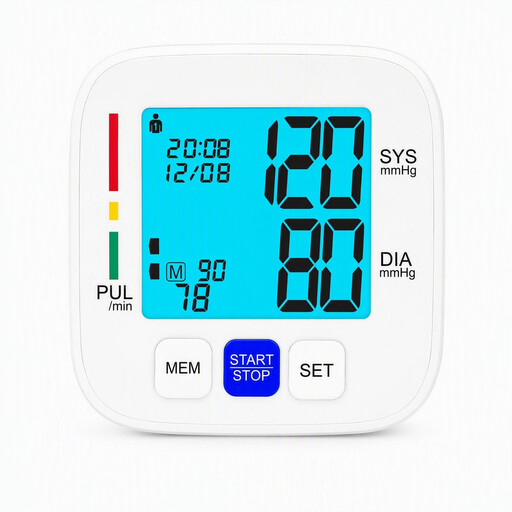
Why this product suits the profile: This automatic blood pressure monitor is designed for everyday use at home and offers two user profiles with 90 memory slots each.
The 22–42 cm cuff range and the date and time display make it easier to check the basic requirements before buying.
2 × 90 memory slots, an average of three readings and a weight of approximately 213 g without batteries.
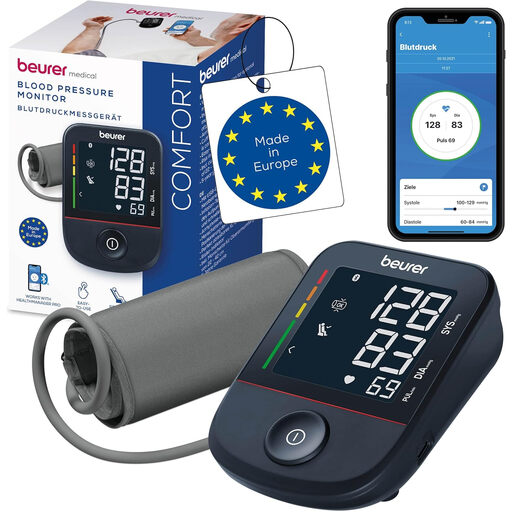
Why this product suits the profile: One-button operation, an extra-large display and Bluetooth transfer combine ease of use with digital record-keeping.
The 22–42 cm cuff range, cuff fit detection and rest indicator address key application errors.
Arrhythmia detection, automatic transfer to the beurer HealthManager Pro app, plus support for Apple Health, Samsung Health and Health Connect.
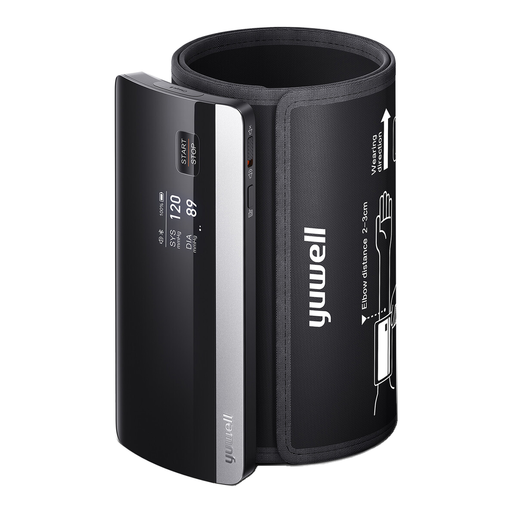
Why this product suits the profile: This compact model is ideal for users who want to record readings at home and on the go, then process them in an app.
The 22–36 cm cuff and app compatibility are clearly specified. This makes it possible to check in advance whether the circumference and smartphone use are suitable.
A weight of approximately 257 g, Bluetooth transfer, voice prompts and a battery offering up to 250 uses per charge according to the product specifications.
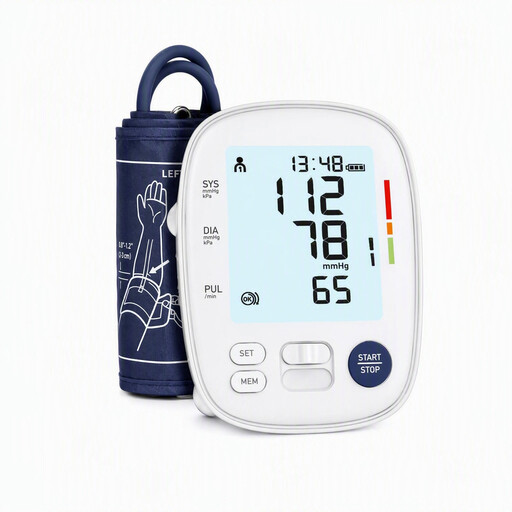
Why this product suits the profile: Two memory areas with 120 slots each, a large LCD display and a wide cuff make it suitable for shared use.
The 22–42 cm cuff, movement alerts and cuff fit check make important purchasing and usage information visible.
Large display, arrhythmia alert, average of the last three readings and operation using batteries or USB-C according to the product specifications.
We have put together a complete, regularly updated list of products that fully meet these strict selection criteria and the safety regulations applicable in the EU.
Sit upright and place both feet flat on the floor. Position the cuff directly on the skin, approximately two to three centimetres above the bend of the arm. The tube should be aligned according to the instructions. Rest your arm comfortably at heart level. Do not speak or move during the measurement.
Its service life depends on the device, cuff, batteries and care. Store the monitor in a dry place, protected from direct sunlight and strong impacts. Do not kink the cuff. Regularly check the cable, hook-and-loop fastening and display. If there is visible damage or inconsistent readings, consult the instruction manual or customer service.
For battery-powered devices, the main ongoing cost is AA or AAA batteries. Actual battery life depends on how often measurements are taken and the type of battery used. Rechargeable models require regular charging instead. For app-enabled devices, you should also consider compatibility and possible changes to the app requirements. Readings are intended for health monitoring and do not replace a medical diagnosis. If readings remain unusually high or low, or you experience symptoms, seek medical advice.