Which appliance suits you?

Those who batch cook together

If you add several cooled portions of curry at once on set cooking days, you’ll need to consider both the freezing capacity for the new batch and the volume available for food already in storage. The German consumer advice centre recommends choosing a capacity that suits the quantities you store regularly and the larger portions you often freeze.

Those who take out portions as needed

If several people take their own portions on different days, separate compartments or well-organised baskets can make them easier to find. The German consumer advice centre recommends labelling frozen food with its contents, quantity and date of storage.

Households short on space

If you need extra freezer space, check the appliance’s external dimensions, how far the door or lid opens and how much room you’ll need to position it. For a small appliance, also consider its freezing capacity for your next batch and the specific model’s annual energy consumption.

What to look for when buying

Upright freezer with compartments

A good fit if: several people want to take out individual, labelled portions of curry regularly and store them separately.

Consider: drawers make it easier to keep things organised, but their dimensions need to suit the containers you plan to use.

Chest freezer

A good fit if: you want to store larger batches or extra supplies and have enough floor space and room above the lid.

Consider: baskets and labels help you sort things, but portions at the bottom can be harder to reach.

Small appliance or existing freezer compartment

A good fit if: you only add a few portions at a time and have enough spare capacity in your existing four-star freezer compartment.

Consider: a low freezing capacity limits how much you can freeze in 24 hours; a small appliance isn’t automatically cheaper to run.

What matters when buying What to check Who it matters most to
Freezing capacity for a batch Estimate the largest new batch in kg and compare it with the model’s freezing capacity per 24 hours; remember to allow space for the containers. When several cooled containers of curry are added on a shared cooking day, I want to take both the new quantity and the storage space already in use into account. Around 36% of consumers prioritise freezing capacity for their cooking batch.
Finding portions again Check that the drawer or basket dimensions suit your freezer-safe containers; label each one with its contents, quantity and date. When several people take food out on different days, I want to be able to identify the containers and their storage dates quickly. Around 29% of consumers prioritise being able to take out labelled portions as needed.
Ongoing energy consumption For appliances with a suitable capacity, compare the kWh/year figure on the EU energy label; actual consumption also depends on use and where the appliance is installed. As the appliance runs all the time, I want to consider its annual energy consumption once I’ve found one with enough capacity. Around 21% of consumers say ongoing energy consumption is their main buying consideration.
Installation space and opening clearance Measure the floor space, route for delivery and opening clearance; if installing the appliance in an unheated area, check the permitted ambient temperatures for that specific model. When space is limited, I first need to check whether the appliance and its door or lid will fit in the space available. Around 14% of consumers say installation space is their most important buying consideration.

Common buying mistakes

  • Confusing capacity in litres with freezing capacity

    Storage volume tells you how much space is available for food. Freezing capacity tells you how much new food the appliance can freeze in 24 hours.

    Check both figures against the largest planned batch of cooled food.

  • Choosing the biggest appliance you can, just in case

    Unused space won’t make food easier to access, and an unnecessarily large appliance can use more energy than you need.

    Allow for the food you already have and your next batch, then compare suitable models by their annual energy consumption.

    An oversized appliance can use more energy than necessary.

  • Confusing LowFrost with NoFrost

    Frost can still build up with LowFrost; AEG notes that manual defrosting may be necessary.

    Check the defrosting details for the specific model rather than comparing technology names that sound similar.

    Manual defrosting can mean extra maintenance.

  • Choosing a chest freezer based on capacity alone

    If you often take out individual portions, consider how easy they are to reach and whether there’s enough room to open the lid.

    Measure the installation space and plan for baskets and clear labels for your portions.

Brands and models to consider

Bosch

Freestanding upright freezers for storing food in separate compartments. Bosch lists a 242 l freezer capacity and a freezing capacity of 18.0 kg/24 h for the GSN36VLEP model.

  • Bosch says the GSN36VLEP has NoFrost, a Big Box drawer, and a door and temperature alarm.
  • The figures of 234 kWh/year and 9 hours of storage time in the event of a power cut apply to this model, not the brand as a whole.

Liebherr

Upright freezers are also available in medium sizes. Liebherr lists a total volume of 160 l and NoFrost for the FNd 4224.

  • According to Liebherr, a SmartDeviceBox can be retrofitted; the model is designed to operate in ambient temperatures down to −15 °C.
  • The SmartDeviceBox is an optional retrofit, so don’t assume it’s included. Installation requirements vary by model.

Beko

Larger freestanding upright freezers. Beko lists the B7RFNE316W with 286 l of freezer space and No Frost.

  • Beko lists a reversible door and energy efficiency class C for this model.
  • Figures for capacity and features should be checked against the specific model and not assumed to apply to other Beko appliances.

Bauknecht

Chest freezers for larger quantities. Bauknecht lists a 219 l freezer capacity and three baskets for the GTE 220.

  • For the GTE 220, Bauknecht lists 132 kWh/year, energy efficiency class C and a width of 118 cm.
  • These figures for one model don’t provide a general energy consumption comparison between all chest and upright freezers; make sure you have enough floor space.

AEG

Integrated appliances for households with a suitable housing space. AEG lists a freezer capacity of 98 l and an 880-mm housing space for the TAB6L88ES.

  • The model has LowFrost and a stated freezing capacity of 4.5 kg/24 h.
  • AEG notes that frost can build up with LowFrost and manual defrosting may be needed.

Joybuy products

This selection includes upright freezers and a chest freezer for storing individual portions. Compare freezing capacity for your new batch with the volume available for all your food.
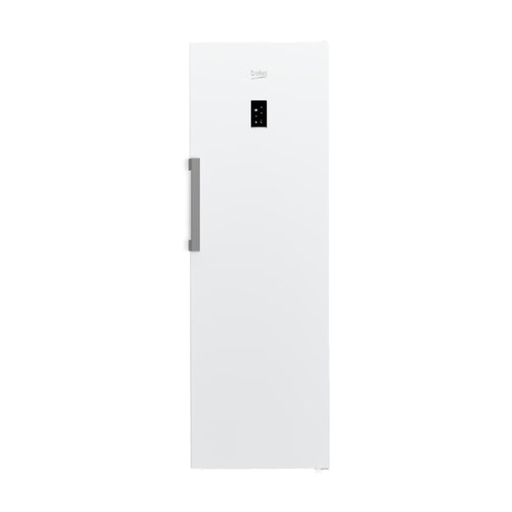
Beko B7RFNE316W upright freezer

Beko B7RFNE316W upright freezer, 286 l

For larger cooking batches and separately stored food, if a freestanding upright freezer is right for your home.

286 l; freezing capacity of 18 kg/24 h; No Frost; 40 dB; energy efficiency class C.

View at Joybuy
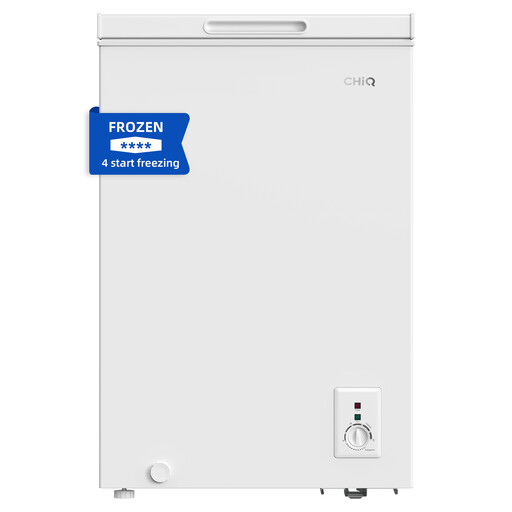
CHiQ chest freezer with a capacity of 99 l

CHiQ chest freezer, 99 l

A chest freezer option for extra food, if you have enough floor space and room to open the lid.

99 l; freezing capacity of 4.5 kg/24 h; four-star freezing function; wire basket.

View at Joybuy

COMFEE' RCU60WH2(E) upright freezer with a capacity of 60 l

COMFEE' RCU60WH2(E) upright freezer, 60 l

For a limited amount of extra food, if a freestanding appliance with a lower freezing capacity is enough for you.

60 l; freezing capacity of up to 6 kg/24 h; three internal compartments; 44.5 × 47.5 × 84.5 cm; reversible door.

View at Joybuy
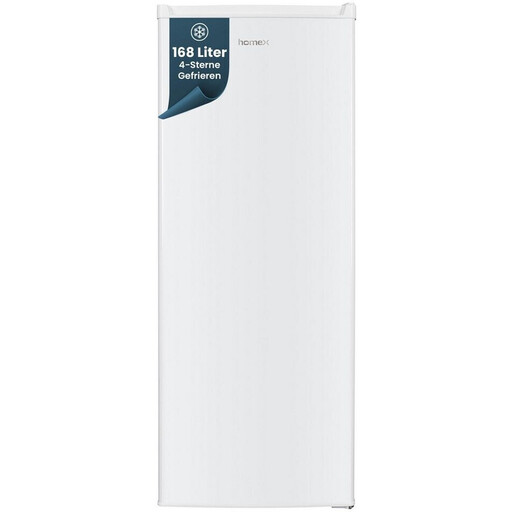
homeX FS1681E-W upright freezer with four drawers and a flap compartment

homeX FS1681E-W upright freezer, 168 l

For keeping food and cooking batches separate, provided they’re within the stated freezing capacity.

168 l; freezing capacity of 7.8 kg/24 h; four drawers and a flap compartment; 54.4 × 57.1 × 142.6 cm; energy efficiency class E.

View at Joybuy
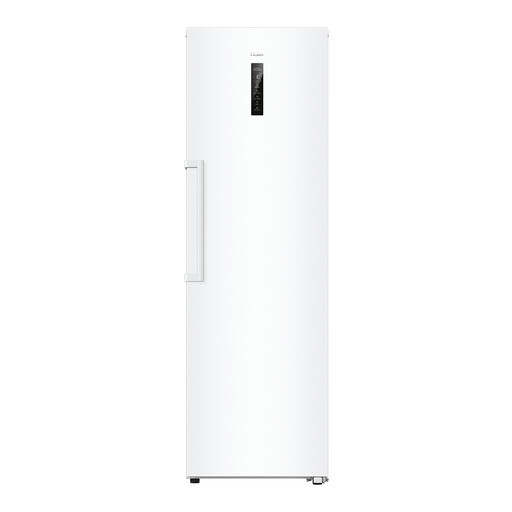
Haier H4F306WCH1 upright freezer with four drawers

Haier H4F306WCH1 upright freezer, 301 l

For larger quantities of food, if a freestanding upright freezer with drawers suits your household.

301 l; four drawers; Total No Frost; switchable between freezer and fridge modes; energy efficiency class C.

View at Joybuy

Frequently asked questions

How can I check whether the appliance can hold the portions from a cooking day?

Compare two figures: the available storage volume in litres for containers you already have and any new ones, and the freezing capacity in kg/24 h for the new batch. Estimate the total quantity you’ll be freezing at once. Whether it will fit depends on the specific model and your batch size.

How should I cool curry before freezing it?

Cool cooked food promptly before freezing it. The German Federal Institute for Risk Assessment notes that spores of Bacillus cereus can survive normal heat treatment and multiply if food is stored incorrectly. A freezer won’t make food that has been stored unsafely safe again.

How can I keep track of frozen curry?

Use freezer-safe containers and label them with their contents, quantity and storage date. The German consumer advice centre gives up to three months as a general guide for storing prepared meals in a freezer. This isn’t a guarantee for every recipe and doesn’t replace safe cooling.

Does LowFrost mean I won’t need to defrost the appliance?

No. AEG notes that frost can still build up with LowFrost, and manual defrosting may be needed. Check whether the specific appliance is listed as LowFrost or NoFrost.

Which details help me compare energy consumption?

Compare the kWh/year figure for models that meet your space and storage needs; actual consumption also depends on use and where the appliance is installed. The energy label also shows details such as energy efficiency class, freezer capacity and noise level. The European Commission’s EPREL database lets you compare models.

Where can I take an old freezer in Germany?

Electrical waste must not go in household rubbish; local collection points accept old appliances. In its information dated 28 July 2022, Germany’s Federal Ministry for the Environment explains retailers’ take-back obligations: taking back a large old appliance is linked to buying a corresponding new one. Check with the retailer how to return or arrange collection of your old appliance when you place your order.