
Lieferung heute & morgen

Qualitätsgarantie

Willkommens-Angebote freischalten: KOSTENLOSE Lieferung | Bis zu 80 % RABATT | Kostenlose 30-Tage-JoyPlus-Testphase
App herunterladen
By the Joybuy Product Recommendation Officer, August 28, 2026
Tight, rough, or flaky skin is more than just a cosmetic issue—it can significantly impact your daily life. In the search for an effective solution, many discover Urea Cream, a proven ingredient in dermatological care. But the market is crowded, and not every product delivers on its promise. Before you make a decision, it's crucial to understand the common pitfalls that lead to disappointment and unnecessary expense.
The 3 Most Common Mistakes When Buying Urea Skincare:
To make an informed decision tailored to your specific needs, you should closely examine two core aspects of a cream for very dry skin.
The concentration of urea is the primary determinant of the product's effect and its intended use.
An effective urea cream not only adds moisture but also helps the skin retain it. Look for these complementary active ingredients:
A formulation containing these components is particularly beneficial for care for psoriasis or for skincare for diabetics, as the skin barrier function is often compromised in these conditions.
Instead of making a one-size-fits-all recommendation, we have matched products based on different needs and user profiles.
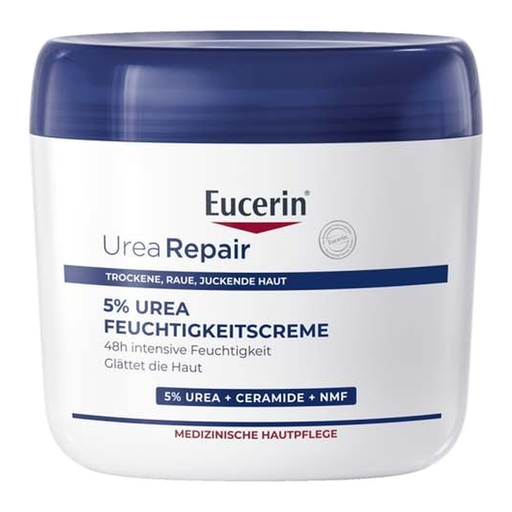
Why This Fits Their Persona: Ideal for individuals who need a reliable, fast-absorbing cream for daily, all-over body use. The large packaging offers excellent value for long-term application.
The formula combines 5% urea with ceramides and NMFs to sustainably strengthen the skin barrier, rather than just providing short-term moisture (Pitfall #2). The concentration is optimal for large-area application (Pitfall #1).
According to the manufacturer, it provides up to 48 hours of protection against dryness. The texture is fast-absorbing and non-greasy, making it perfect for everyday use.
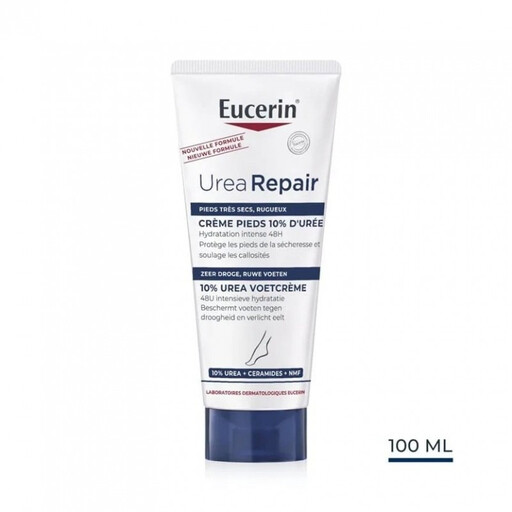
Why This Fits Their Persona: Designed for people with very dry, rough feet and cracked heels who are looking for an intensive and targeted treatment for this problem area.
The 10% concentration is specifically tailored to the needs of the thick skin on the feet, thus avoiding the mistake of using a cream that is too weak for a severe problem (Pitfall #1).
Provides intensive moisture and has an exfoliating effect. The combination of urea and ceramides helps to repair the skin barrier on the heavily stressed feet.
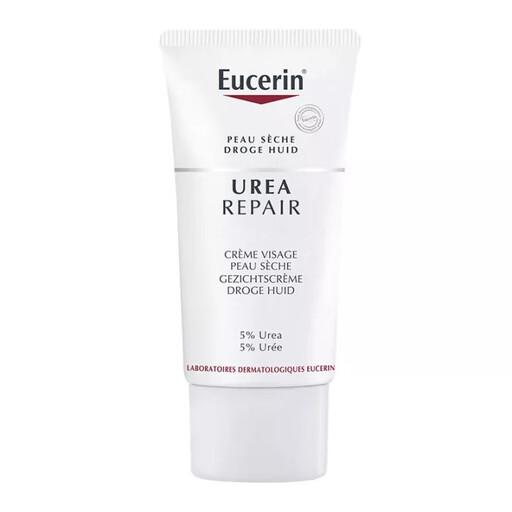
Why This Fits Their Persona: For users seeking an effective yet gentle daily moisturiser for dry and tight facial skin that also works well as a makeup base.
With 5% urea, it offers a concentration suitable for the face that moisturises without irritating—a common mistake when using body products on the face (Pitfall #1).
The lightweight texture absorbs quickly, instantly relieves feelings of tightness, and is also suitable as after-shave care or a makeup base, according to the manufacturer.
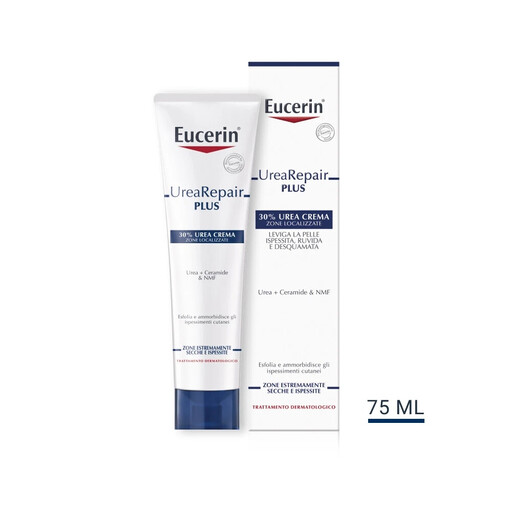
Why This Fits Their Persona: For individuals with extremely dry, thick, and scaly patches of skin (hyperkeratoses) on elbows, knees, hands, or feet who require a highly effective, spot-on treatment.
This is a specialised product for spot application, preventing the error of using a highly concentrated cream over large areas improperly (Pitfall #1). The instructions emphasise local application.
The high concentration of 30% urea provides an intense exfoliating effect, smoothing extremely rough patches of skin while simultaneously providing moisture.
We've compiled a complete, up-to-date list of products that fully meet these strict selection criteria and safety regulations.
1. Can I use urea cream for psoriasis or diabetes?
Yes, many urea creams, such as the products in the Eucerin UreaRepair line, are suitable as adjunctive care for skin conditions like psoriasis or for dry skin caused by diabetes. Products with 5% or 10% urea are often a good choice here. Look for products that are explicitly designated by the manufacturer as suitable for these applications, and consult your doctor or pharmacist if you are unsure.
2. What is the difference between a 5% and a 10% urea cream?
A 5% urea cream is primarily designed for intense moisturisation and smoothing of dry skin. It is ideal for daily, large-area application on the body and face. A 10% urea cream also has a more pronounced exfoliating (keratolytic) effect. It is used to remove thicker, scaly layers of skin on problem areas like the feet, elbows, or knees, making the skin supple again.
3. Why does urea cream sometimes sting my skin?
A mild, temporary stinging sensation can occur when urea cream is applied to very cracked, inflamed, or broken skin. This is a normal reaction as urea penetrates the deeper layers of the skin. To minimise this, products with a high concentration (above 10%) should not be used on injured skin. If you have very sensitive skin, consider starting with a lower concentration. If severe irritation persists, you should discontinue use.