
Lieferung heute & morgen

Qualitätsgarantie

Willkommens-Angebote freischalten: KOSTENLOSE Lieferung | Bis zu 80 % RABATT | Kostenlose 30-Tage-JoyPlus-Testphase
App herunterladen
The search for a new USB-C charger can quickly become overwhelming. The market is filled with promises of ultra-fast charging and universal compatibility. But not every charger delivers on its promise. Certain marketing traps and technical flaws often lead users to spend money on products that either underperform, shorten the lifespan of their devices, or even pose safety risks. As your Joybuy Product Recommendation Officer, I'll help you identify these pitfalls and make an informed decision.
Before we dive into the important technical details, let's highlight the most common issues that can lead to a bad purchase.
To avoid the pitfalls mentioned above, focus on three crucial technical features. These determine the performance, compatibility, and safety of your new charger.
The required wattage depends directly on the devices you want to charge. As a general guide:
With a multi-port charger, it is crucial that the product description clearly specifies the power distribution. A good 65W charger with two ports, for example, should be able to deliver 45W to a notebook and 20W to a smartphone simultaneously.
A fast charger only works if the charger and the end device "speak the same language." The most important protocols are:
Make sure the charger supports the protocols required by your devices.
GaN stands for Gallium Nitride, a semiconductor material that is replacing traditional silicon in modern chargers. A GaN charger offers clear advantages:
Here are some recommendations tailored to specific user profiles that meet the quality criteria mentioned above.
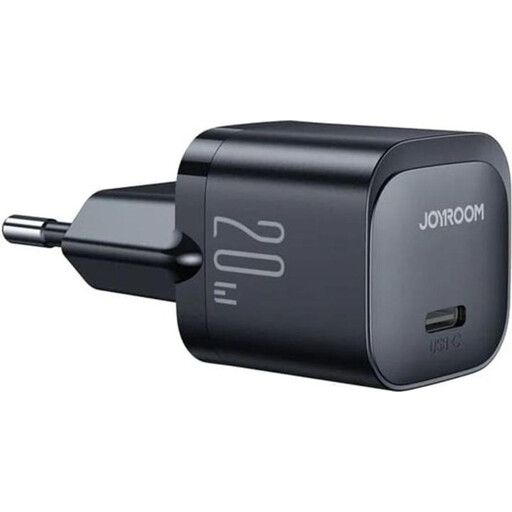
Why This Fits Their Persona: Ideal for users seeking a reliable and compact charging solution for their smartphone. With 20W PD power, it fast-charges modern iPhones or Samsung devices without taking up unnecessary space in a bag. Perfect for daily use at home or in the office.
The 20W output is clearly defined for its single port (no wattage trap). It holds CE and RoHS certifications and is designed for low heat generation, avoiding the safety and heat traps.
Supports key fast-charging protocols (PD3.0, QC3.0). Extremely compact and lightweight design.
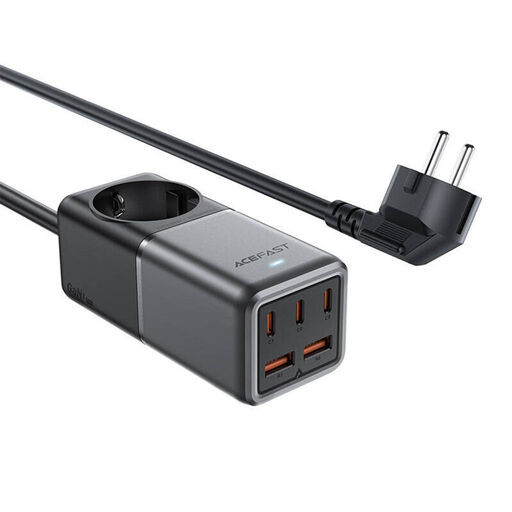
Why This Fits Their Persona: Designed for the desks of users who need to charge a laptop, tablet, smartphone, and other devices simultaneously. This desktop charger creates order and powers an entire workstation.
GaN technology ensures high efficiency and low heat generation. The power distribution across the five ports is clearly specified, so no false expectations are set. Integrated protection systems guarantee safety.
Five charging ports (3x USB-C, 2x USB-A) with 75W total output. Replaces multiple individual chargers and reduces cable clutter.
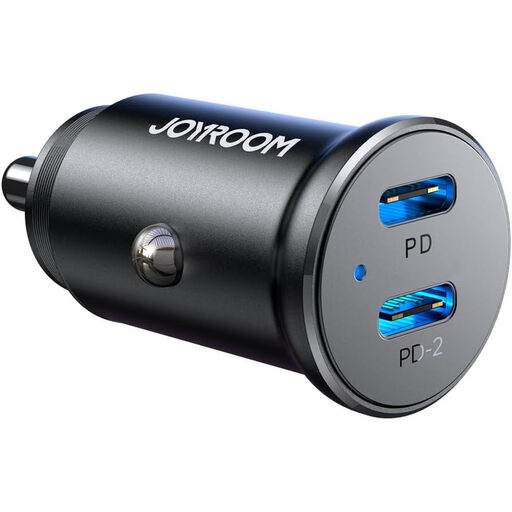
Why This Fits Their Persona: This USB-C car charger is for anyone who is frequently on the move and wants to charge their devices during the drive. With two PD ports, the driver and passenger can fast-charge their smartphones simultaneously without sacrificing performance.
The 30W output is clearly designed for the use of both ports. The smart charging technology adapts the power to the devices' needs, prevents overheating, and is CE-certified, avoiding all three main traps.
Two full-featured Power Delivery ports for simultaneous fast charging. Compact design that doesn't get in the way of the cigarette lighter socket.
We have compiled a complete, up-to-date list of products that fully meet these strict selection criteria and German safety regulations.
A GaN charger uses gallium nitride instead of silicon. This allows for a significantly more compact and lightweight design at the same or higher power output. Additionally, GaN chargers are more energy-efficient and generate less waste heat, which increases safety and protects the lifespan of your devices.
Yes, that is perfectly safe. Modern chargers with standards like USB Power Delivery (PD) communicate with the connected device to determine the maximum permissible charging power. A 100W charger will only supply 20W to an iPhone that can only accept 20W. There is no risk of damage.
Look for official certification marks on the product itself and on the packaging. For sale in Germany and the EU, the CE marking is essential. It confirms that the product meets the applicable EU requirements for safety, health, and environmental protection. Additional marks like RoHS (Restriction of Hazardous Substances) are also a good indicator of a responsibly manufactured product.